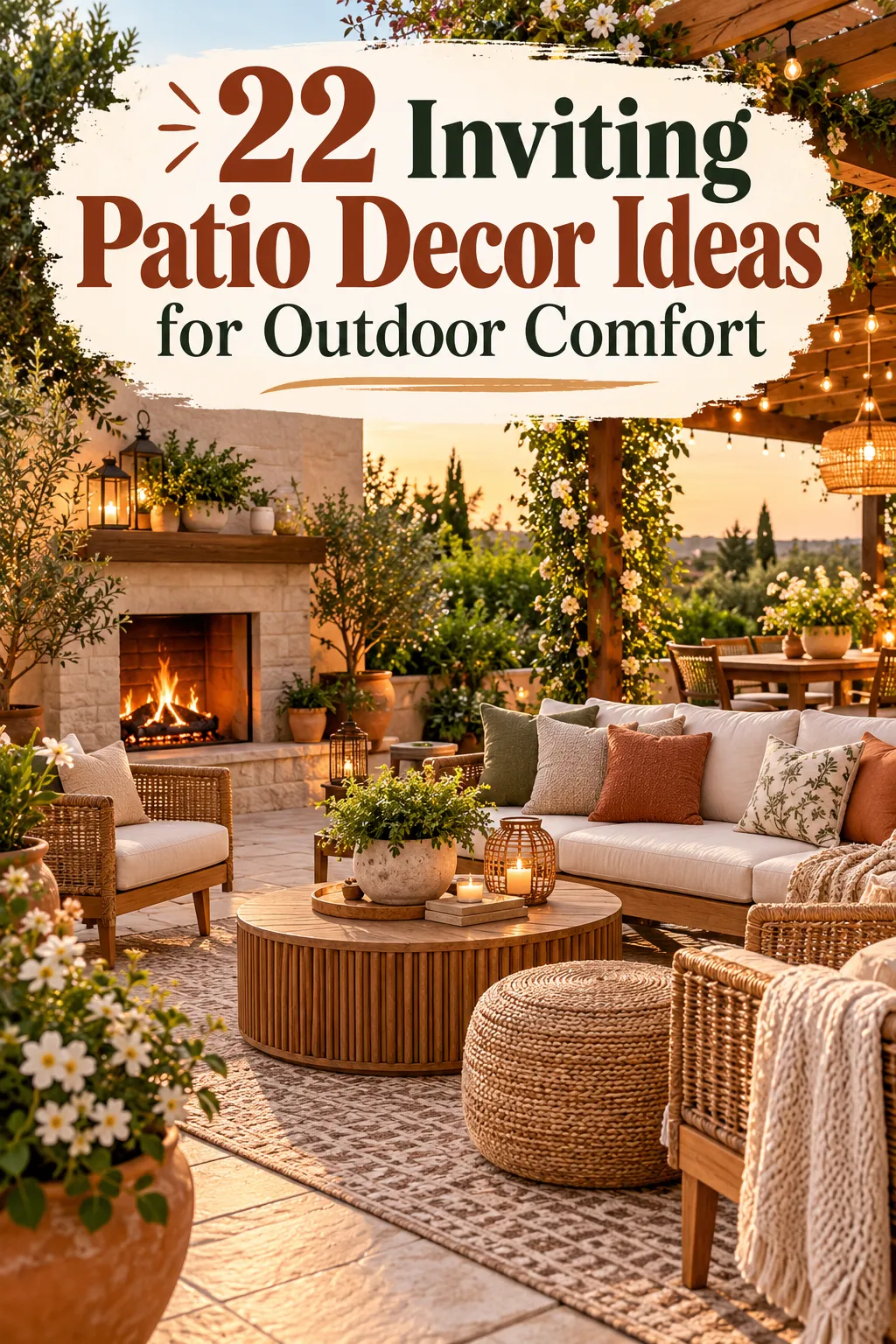
22 Inviting Patio Decor Ideas for Outdoor Comfort
A patio can become one of the most inviting areas of your home with a few thoughtful changes. Patio decor does not need to be expensive or complicated to feel comfortable, useful, and stylish.
Whether you have a compact concrete patio, a spacious backyard area, or a small outdoor corner, the right combination of seating, lighting, textiles, plants, and shade can make the space much easier to enjoy. These ideas focus on practical details that help you create a welcoming outdoor area without overcrowding it.
In my experience, the biggest improvement often comes from defining how you actually use the space first. A comfortable chair for morning coffee, a shaded dining spot, or warm lighting for evenings can guide the rest of your choices. I’ve noticed that small additions often make an outdoor area feel much more personal and functional.
Keep reading for 22 inviting ideas you can adapt to your own patio, style, and budget.
Cozy Outdoor Seating
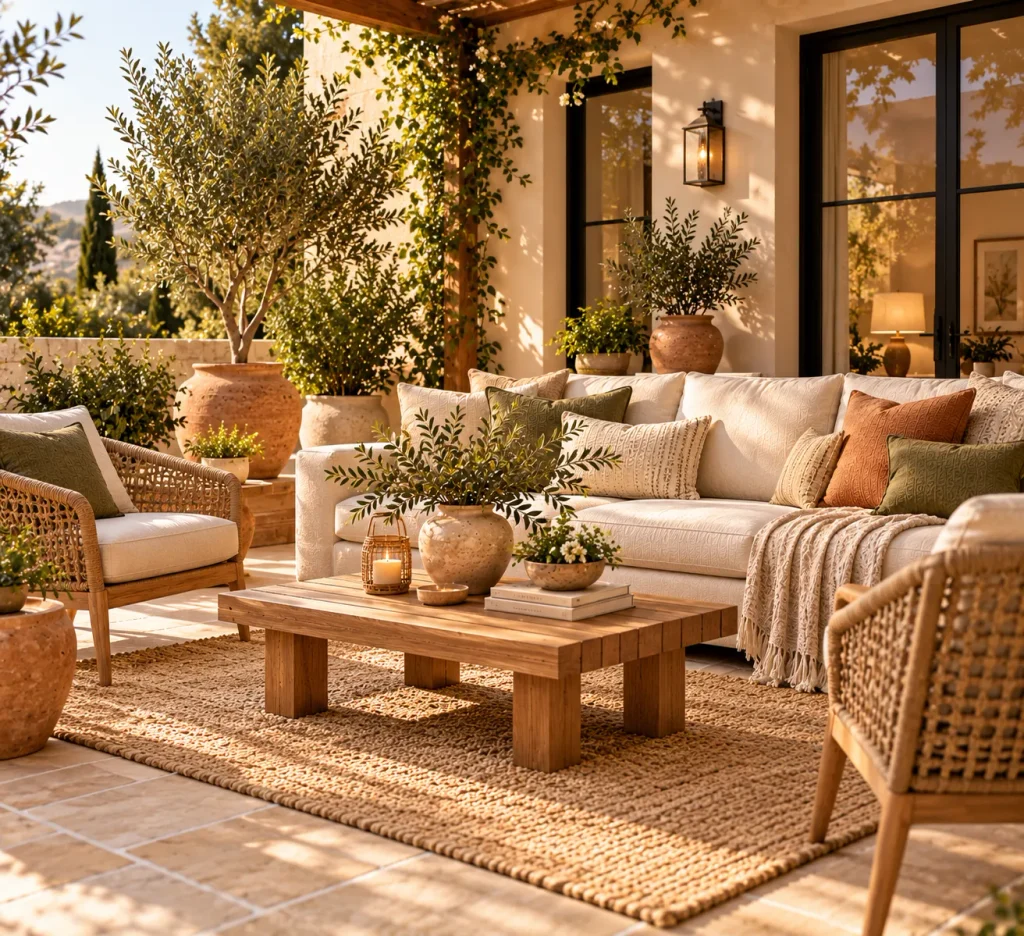
Comfort starts with seating that makes people want to stay awhile. Choose weather-resistant cushions in cream, beige, or muted olive, then add a sturdy coffee table within easy reach. Leave enough space around each seat for comfortable movement, especially near doors and pathways.
A well-planned seating arrangement can turn an unused patio into a practical outdoor living area. Keep the largest piece against a wall or railing when space is limited, then angle smaller chairs toward it. In my experience, arranging seats around a shared table makes casual conversations feel more natural and welcoming.
Layered Patio Rugs
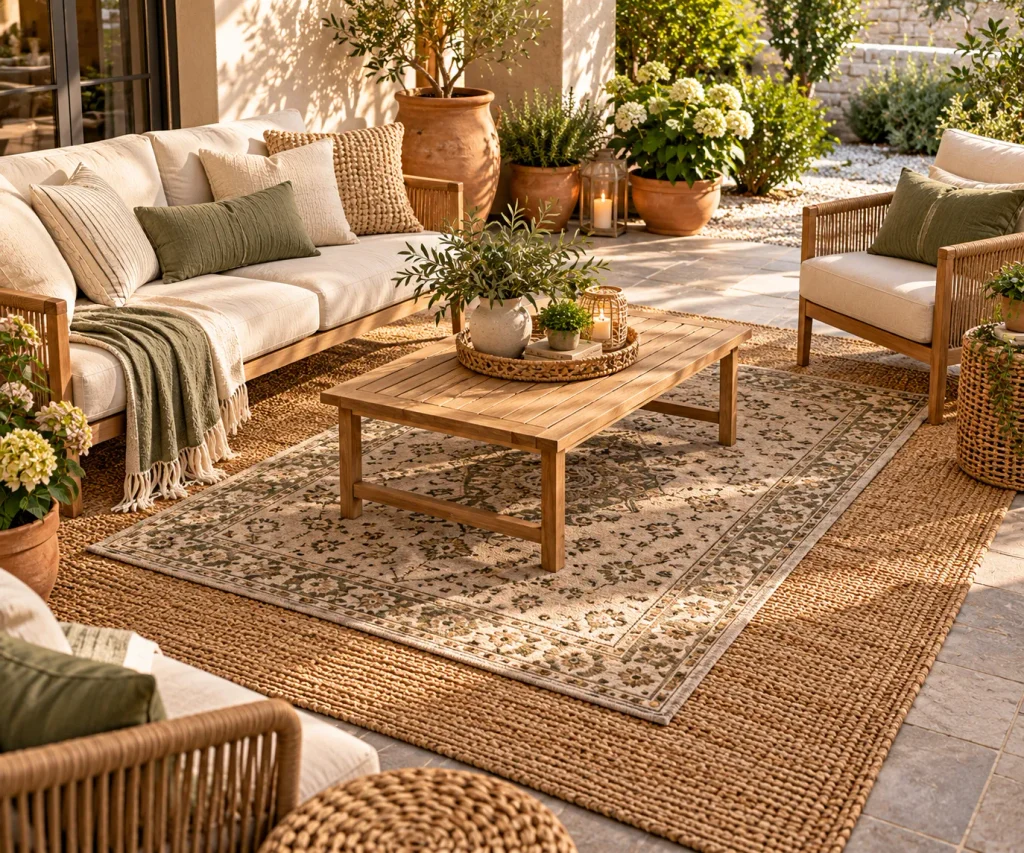
- Start with a weather-resistant base rug large enough to anchor the seating arrangement.
- Add a smaller patterned rug for contrast without covering the entire patio.
- Choose outdoor-safe materials that can handle moisture and regular foot traffic.
- Keep colors connected to your cushions, planters, or furniture finishes.
- Leave a little flooring visible around the edges so the area feels defined rather than crowded.
Layered rugs help separate a seating zone from the rest of the patio while adding softness underfoot. Look for polypropylene or other outdoor-rated materials that are easy to clean. A simple neutral base paired with a subtle pattern gives the space dimension without competing with plants, furniture, and architectural details.
Warm String Lights
Quick Tip:
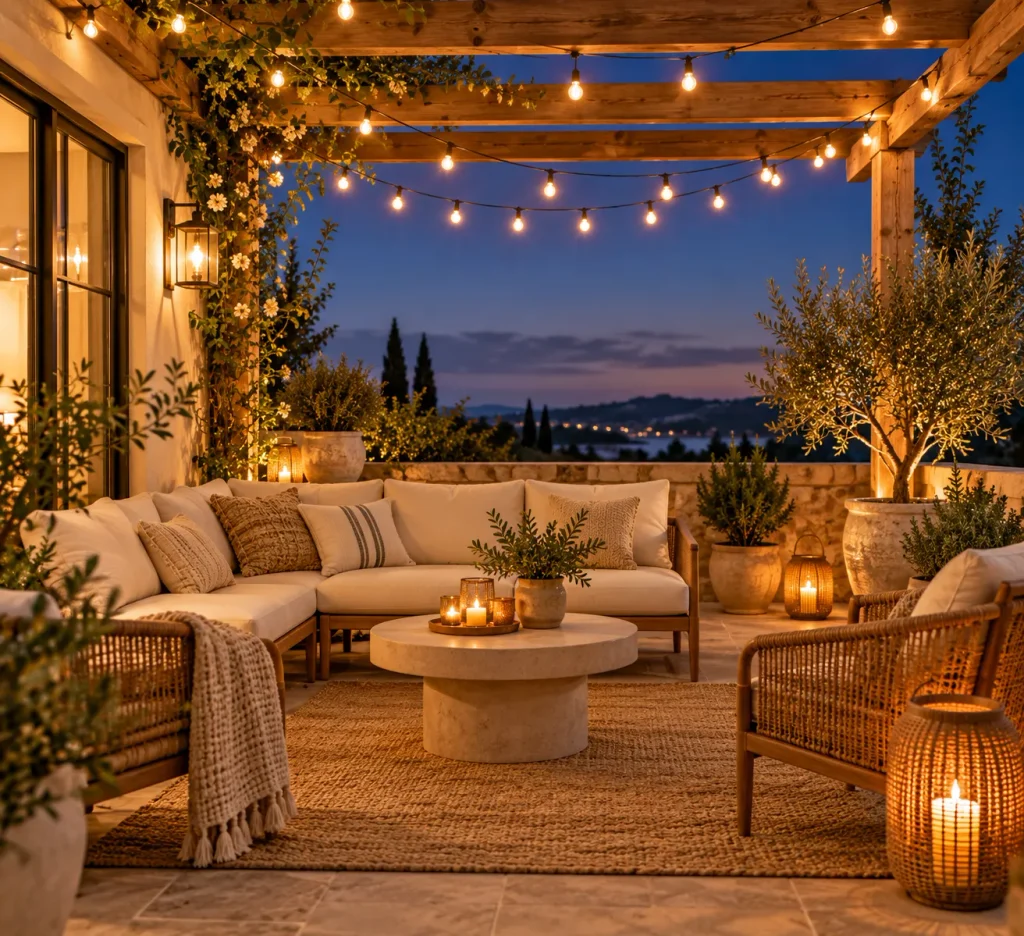
Hang string lights slightly above eye level and keep the layout simple. For a polished look, follow the edge of a pergola, railing, or overhead structure rather than creating random loops. Choose outdoor-rated lighting designed for the conditions where you plan to install it.
Warm lighting can make an outdoor seating area feel more inviting after sunset while providing gentle illumination for conversations and evening meals. Combine overhead strands with a small lantern or table light for layered brightness. I’ve noticed that keeping the bulbs evenly spaced creates a cleaner visual rhythm and photographs especially well for Pinterest.
More Content: 21 Creative Living Room Gallery Wall Ideas to Inspire
Outdoor Dining Nook
BEFORE
An outdoor dining area can feel awkward when a large table blocks pathways or leaves too little room between chairs. Oversized furniture also makes smaller patios harder to move around comfortably.
AFTER
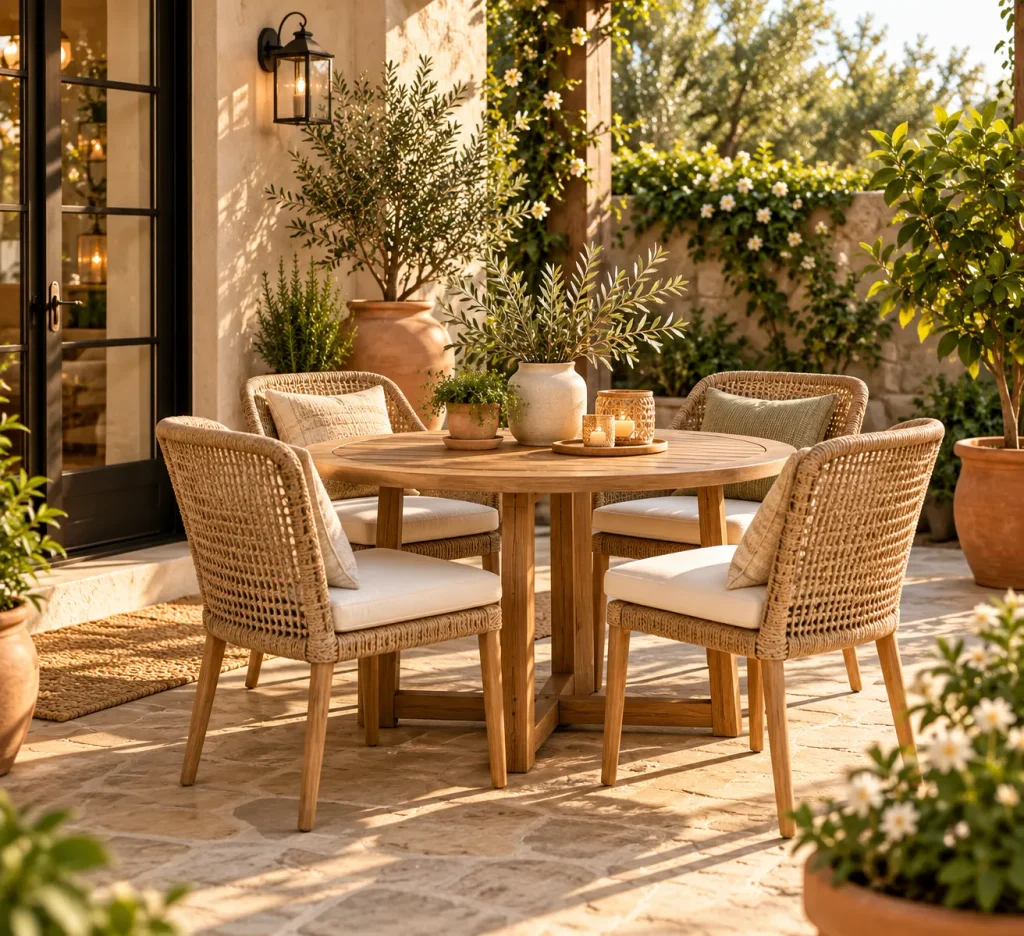
A compact dining nook creates a dedicated place for breakfast, snacks, or evening meals without overwhelming the patio. A round or extendable table can improve circulation while giving everyone enough space to sit comfortably.
Measure the available area before choosing your table and allow room to pull chairs out fully. For small patios, folding chairs or stackable seating can make the arrangement more flexible. Keep the tabletop simple with one planter, lantern, or serving tray so meals remain the main focus.
Weatherproof Cushion Storage
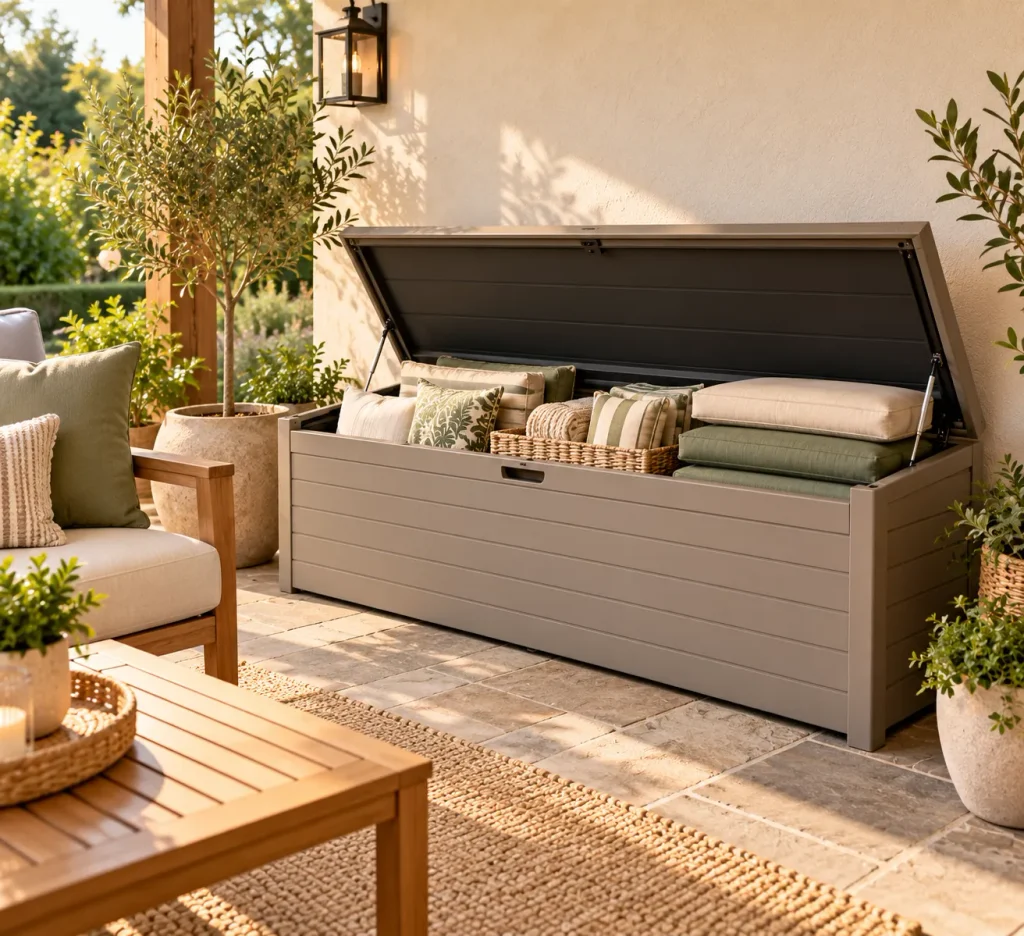
- Measure the storage area: Check the available width, depth, and height before selecting a storage box or bench.
- Choose outdoor-rated materials: Look for weather-resistant resin, treated wood, or durable metal designed for exterior use.
- Add breathable protection: Use storage bags or liners that help keep cushions clean while allowing appropriate airflow.
- Organize by use: Keep frequently used cushions near the top and seasonal textiles farther inside.
Protecting cushions from moisture and dirt helps them stay comfortable and attractive for longer. A storage bench can serve two purposes by providing seating while hiding textiles underneath. Place it near the seating zone so cushions can be put away quickly whenever rain, dust, or strong weather approaches.
Natural Wood Furniture

| Feature | Option A: Painted Furniture | Option B: Natural Wood |
| Look | Bold or uniform | Warm and organic |
| Texture | Smooth finish | Visible grain |
| Maintenance | May need repainting | Needs suitable outdoor care |
| Style | Modern or colorful | Organic, coastal, or rustic |
Natural wood brings warmth and texture to an outdoor seating area while pairing easily with greenery and neutral textiles. Teak and other suitable outdoor woods can work well when properly maintained. Check the manufacturer’s care guidance and use furniture covers when appropriate to help protect surfaces from prolonged exposure.
Potted Privacy Plants
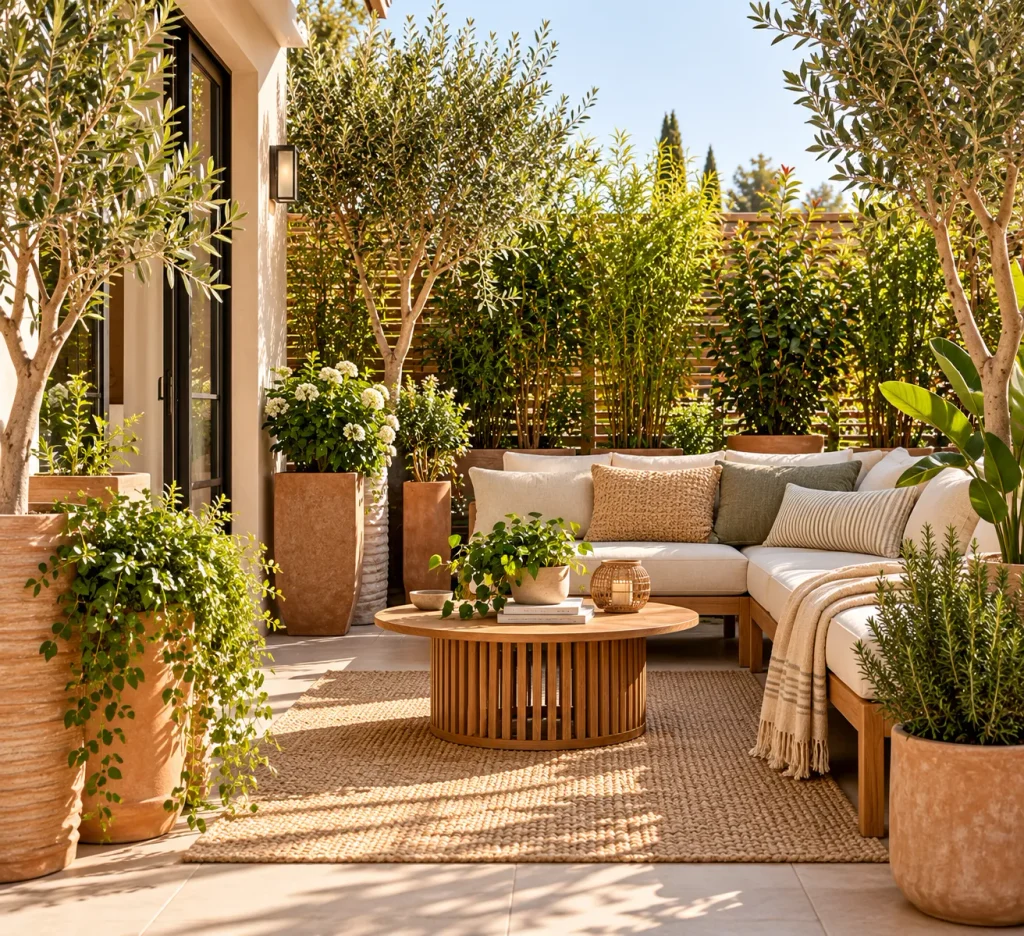
DO
- Choose plants suited to your local sunlight and climate.
- Use tall planters to create privacy without building a permanent screen.
- Group plants at different heights for a layered appearance.
- Leave enough space around containers for watering and maintenance.
DON’T
- Block doors, stairs, or important walking routes.
- Choose large containers that are difficult to move or drain.
- Crowd every edge of the patio with plants.
- Ignore the mature size of a plant before purchasing it.
Plants can soften hard patio surfaces while creating a more private outdoor corner. Tall containers work especially well near seating areas because they provide visual separation without requiring a permanent structure. I’ve noticed that combining one or two taller plants with smaller pots creates a more natural screen than lining up identical containers.
Portable Shade Umbrella
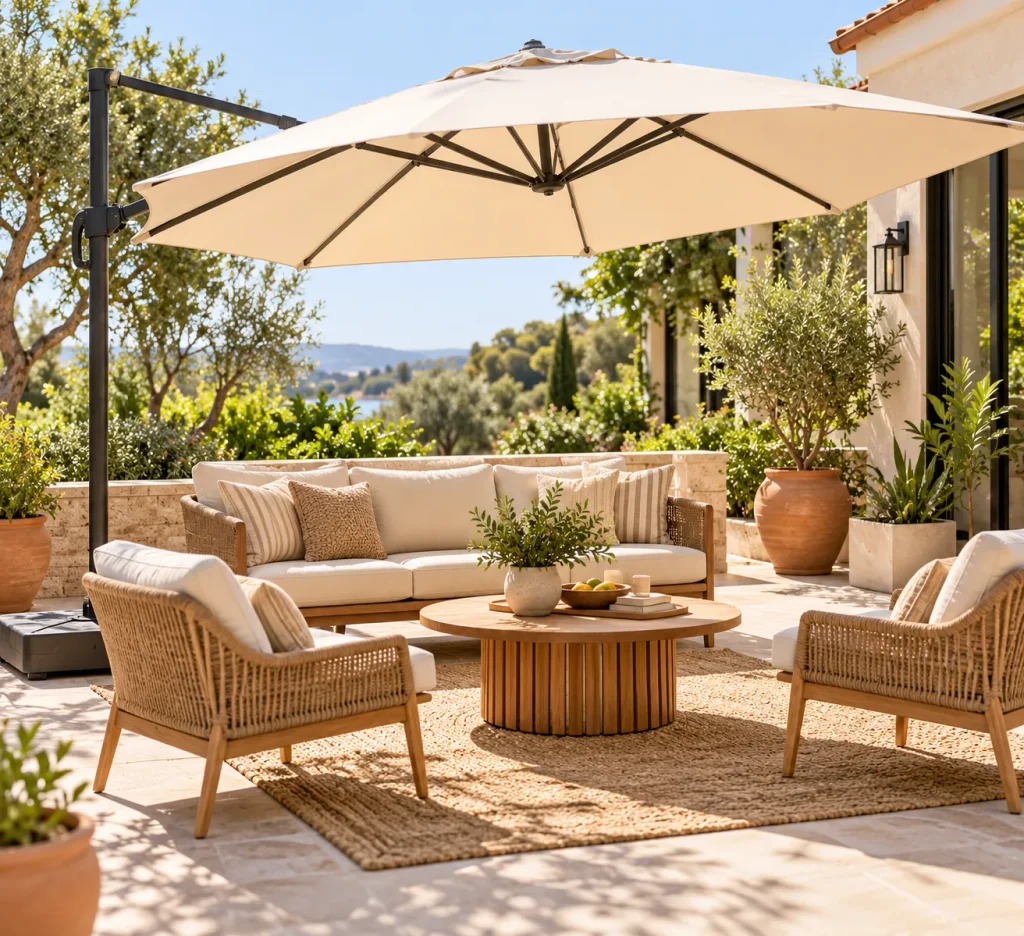
Cost: Moderate | Time: One afternoon | Skill Level: Beginner
Best For: Dining and seating areas needing flexible shade
Works In: Small and medium patios
Result: Cooler, more comfortable outdoor seating
A portable umbrella gives you control over shade without committing to a permanent structure. Choose a sturdy base and a canopy size suited to your furniture arrangement. Place the umbrella so its shade covers the area where people sit most often, then reposition it as the sun moves.
Woven Outdoor Accents
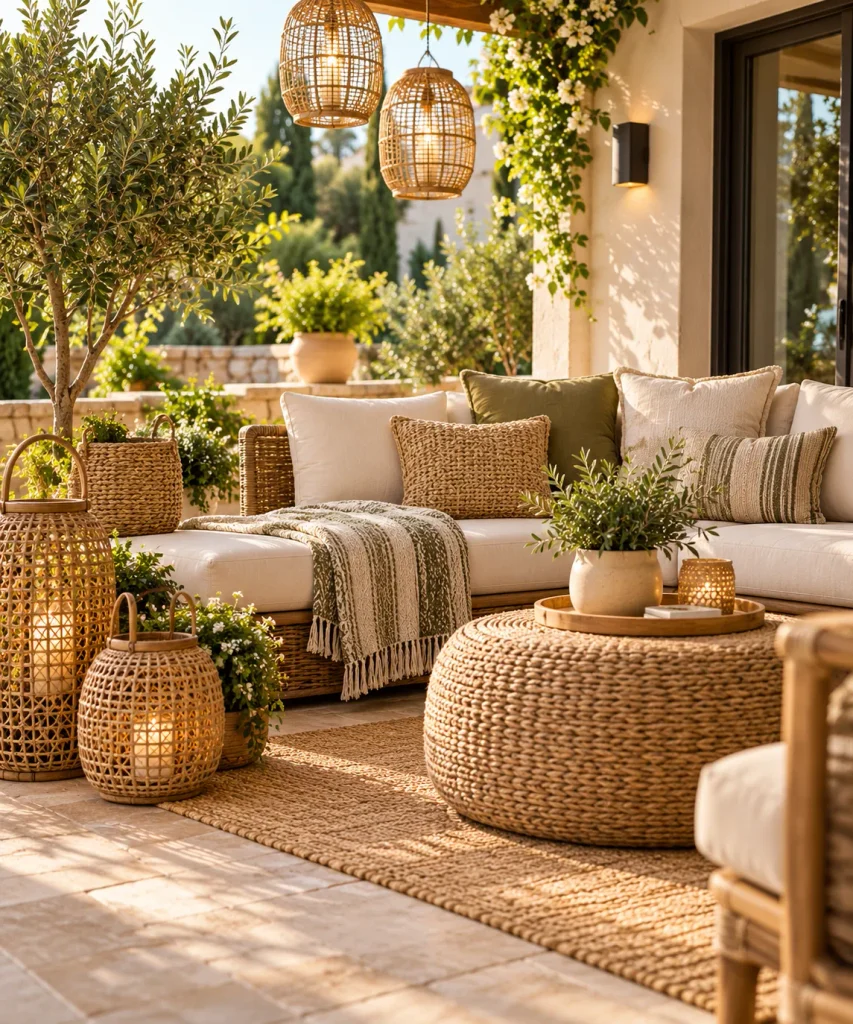
Texture can make an outdoor seating area feel more layered without adding unnecessary furniture. Woven baskets, rattan lanterns, rope details, and weather-resistant cushions introduce natural visual interest while keeping the palette relaxed.
Choose two or three woven elements instead of covering every surface with texture. For exposed patios, select products specifically designed for outdoor conditions or store delicate accessories when weather changes. A few carefully placed accents can give the space a finished appearance while keeping cleaning and maintenance manageable.
More info : 25 Welcoming Front Porch Decor Ideas That Wow Guests
Round Coffee Table
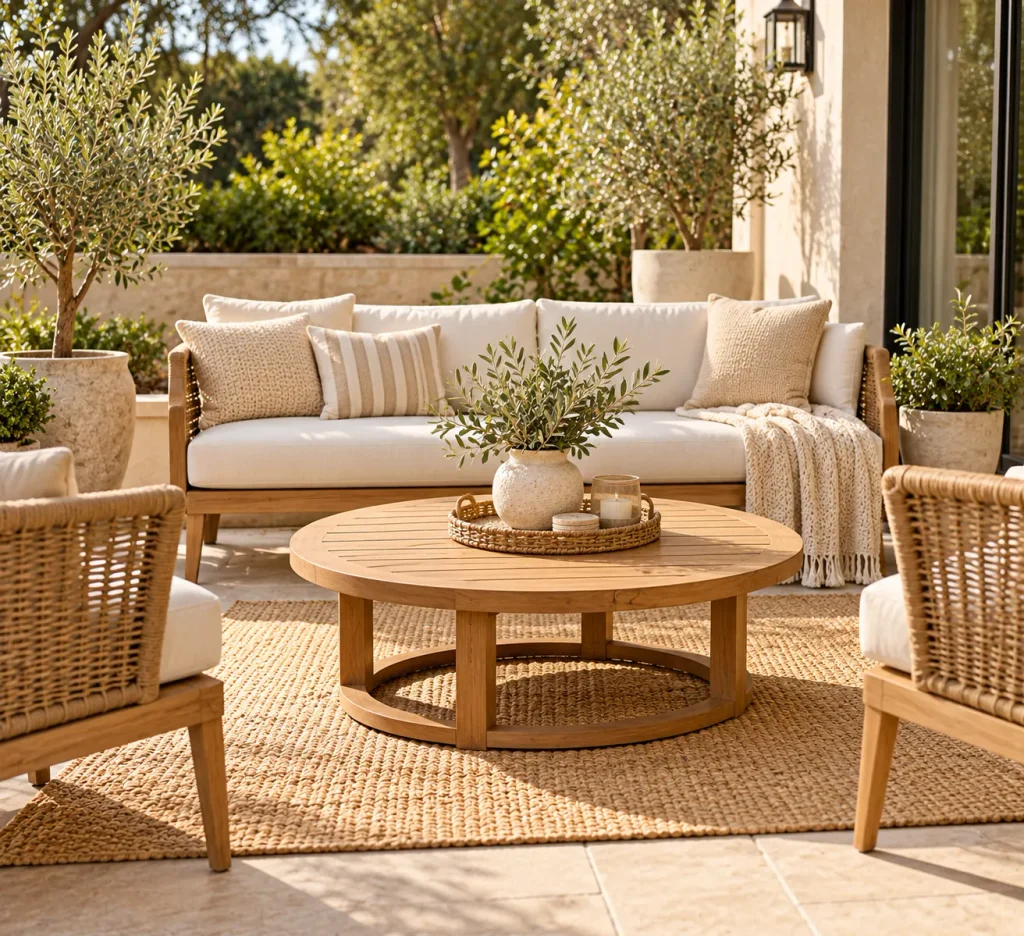
- Choose a round shape when you need easier movement around seating.
- Keep the table proportionate to the sofa and chairs.
- Use a lower profile to preserve open sightlines.
- Add a small tray for drinks, books, or decorative items.
- Select an outdoor-rated finish that suits your local conditions.
A round table softens the layout while giving everyone a convenient shared surface. It works especially well where rectangular furniture creates tight corners or narrow walkways. Keep the tabletop edited so there is still plenty of room for everyday use. A natural wood finish also pairs easily with greenery and woven seating.
Layered Lanterns

Quick Tip:
Group lanterns in three different heights to create visual depth without covering the entire patio with accessories. Choose outdoor-rated lanterns and place them on stable, heat-safe surfaces away from fabrics, plants, and areas where people walk.
Layered lanterns add gentle evening illumination while giving a patio a cozy focal point. Mix metal, glass, or woven designs if their colors stay within the same palette. I’ve noticed that placing the tallest lantern toward the back and shorter pieces near the seating creates a balanced arrangement without making the area feel cluttered.
Vertical Herb Garden

BEFORE
A patio wall can look plain while valuable growing space remains unused. Placing many individual pots across the floor can also reduce walking room and make a compact area harder to maintain.
AFTER
A vertical herb garden turns an empty wall into a useful planting zone without taking much floor space. Arrange herbs in labeled pots or tiered planters so they remain easy to water, harvest, and monitor.
Choose a location based on each plant’s light requirements and use containers with suitable drainage. Keep frequently harvested herbs at an easy height, while smaller decorative plants can fill upper sections. This setup adds greenery, texture, and a practical purpose to an otherwise overlooked patio wall.
Outdoor Bar Cart
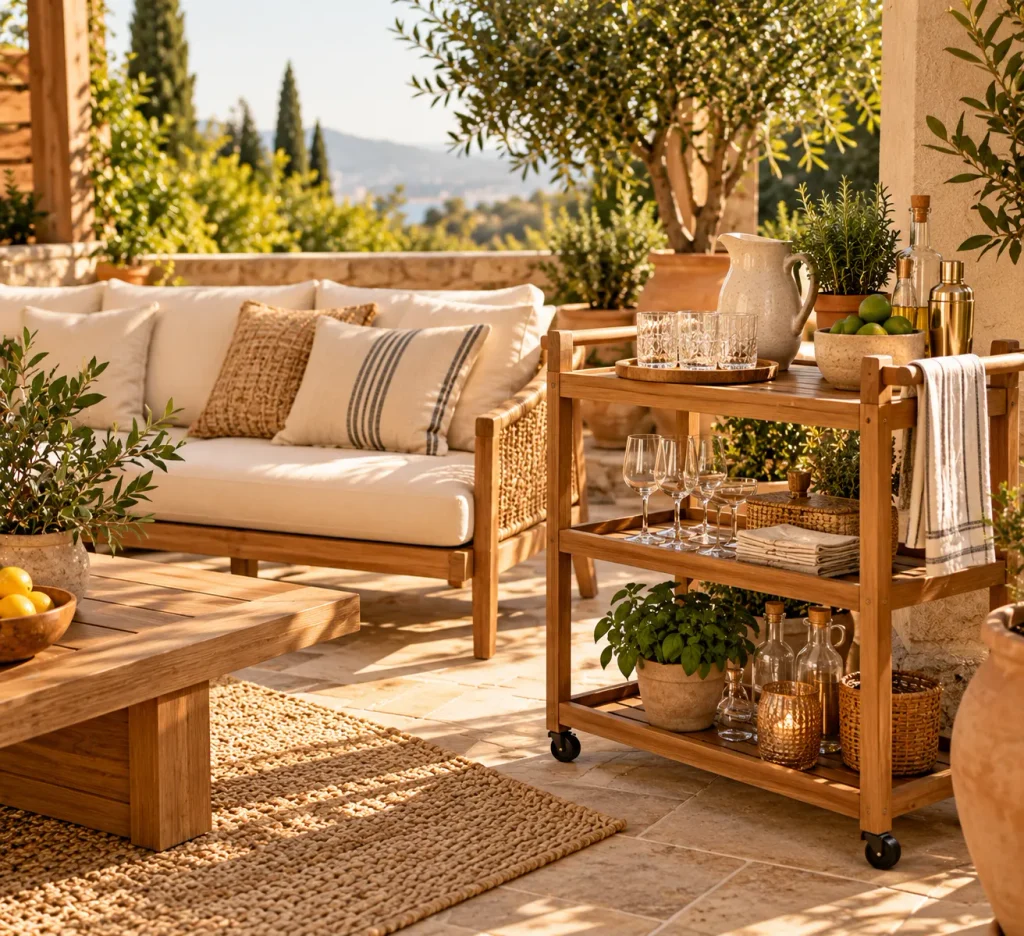
- Choose a compact cart: Select a narrow design that fits beside seating without narrowing the main walkway.
- Create useful zones: Keep glasses and serving pieces on one level and decorative or pantry items on another.
- Add weather-safe accents: Use durable trays, ceramic containers, and outdoor-rated accessories.
- Keep it movable: Choose wheels that roll smoothly over your patio surface.
- Store delicate items: Bring glassware and textiles indoors when the patio is not being used.
A bar cart can make outdoor hosting easier while giving the patio a useful decorative feature. Keep the styling restrained so there is enough room for serving. A small herb pot or pitcher adds character without sacrificing function, making the cart useful for everything from morning drinks to evening gatherings.
Built In Bench Seating
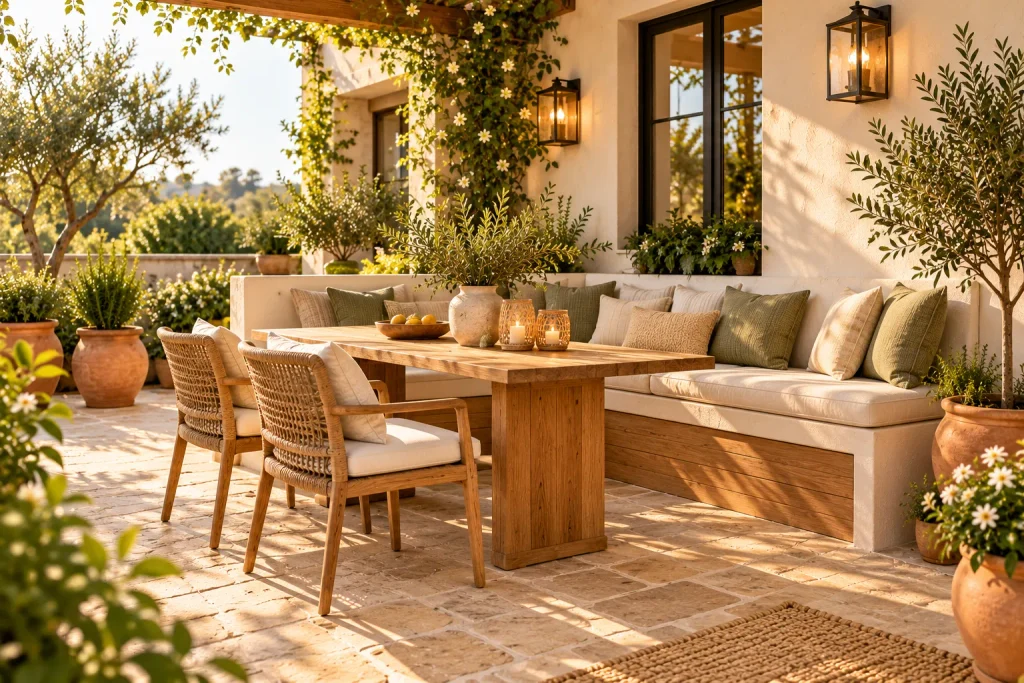
| Feature | Option A: Freestanding Seating | Option B: Built-In Bench |
| Floor footprint | Can require more space | Uses an existing wall or edge |
| Seating capacity | Easy to rearrange | Provides a fixed seating zone |
| Storage | Usually separate | Can include hidden compartments |
| Layout | Flexible | More permanent |
Built-in bench seating can make awkward patio edges more useful while creating a clear gathering zone. Add weather-resistant cushions for comfort and choose storage compartments underneath when practical. Keep the bench depth comfortable without extending too far into the walking area. This approach works particularly well along walls, railings, and unused corners.
Colorful Outdoor Pillows

DO
- Choose two or three accent colors that already appear elsewhere on the patio.
- Select fabrics labeled for outdoor use.
- Mix solid colors with one subtle pattern.
- Keep pillow sizes varied for comfortable layering.
DON’T
- Combine too many unrelated colors.
- Use indoor-only fabrics in exposed areas.
- Fill every seat with oversized cushions.
- Ignore removable covers that make cleaning easier.
Colorful pillows can refresh outdoor seating without replacing larger furniture pieces. Start with a neutral base, then introduce a few shades through cushions and small accessories. I’ve noticed that repeating one accent color in planters or table accessories helps the whole patio feel connected rather than randomly decorated.
Outdoor Fireplace Corner
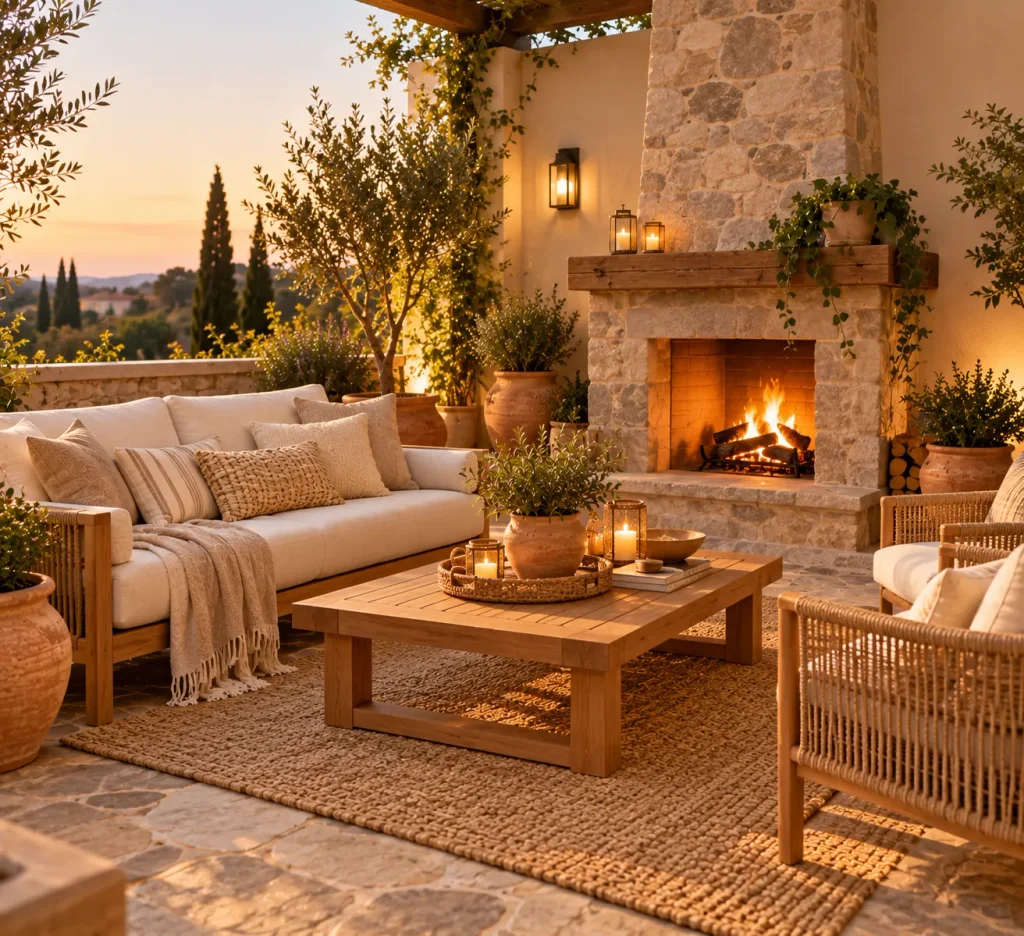
Cost: Moderate to high | Time: Professional installation may vary | Skill Level: Advanced
Best For: Patios designed for evening gatherings
Works In: Medium to large outdoor areas
Result: A warm focal point for cooler evenings
An outdoor fireplace can give the patio a strong gathering point while extending its usefulness into cooler weather. Before installation, check local building, ventilation, clearance, and safety requirements. For a simpler setup, a professionally selected outdoor heating feature can provide warmth without major structural changes.
Sheer Privacy Curtains
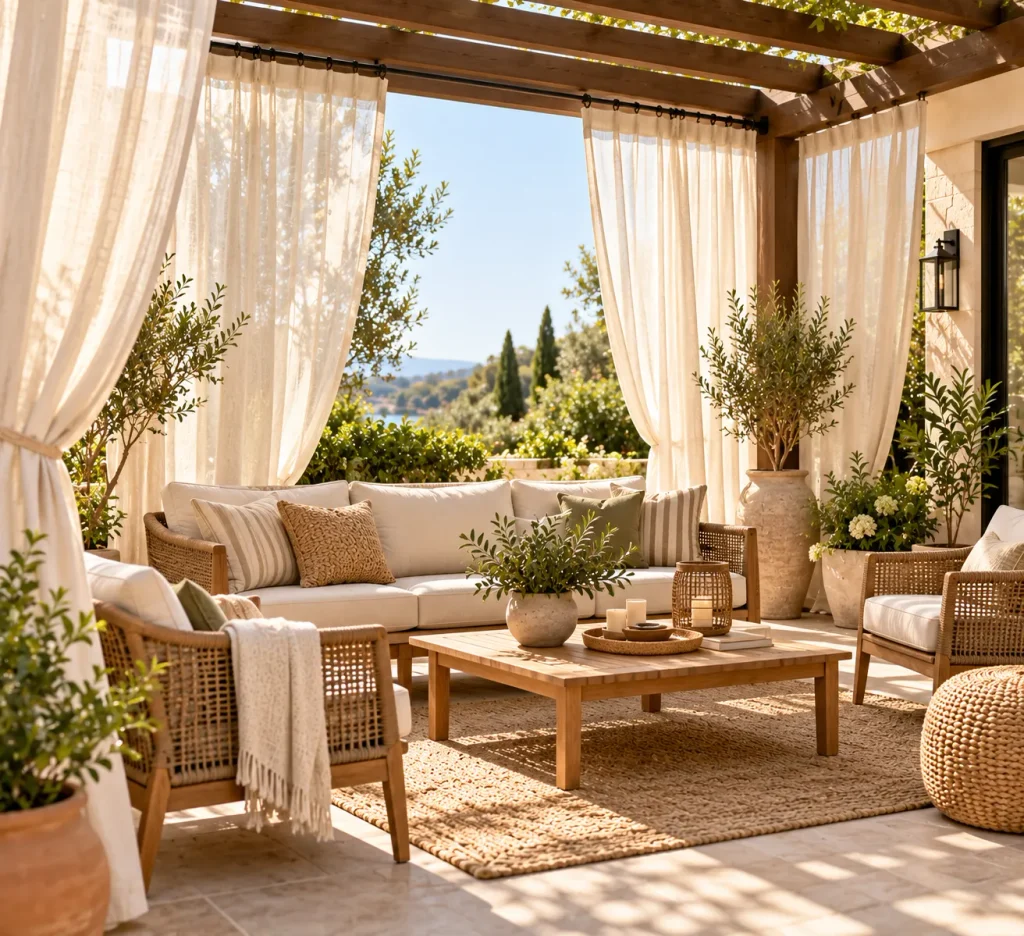
Soft outdoor curtains can create a more private seating area while filtering bright sunlight. Choose weather-resistant fabric that moves easily in the breeze without becoming tangled around furniture or plants. Hang the panels from a sturdy rod or track and leave enough clearance for comfortable movement.
For a relaxed look, use ivory, sand, or light gray panels that complement the existing furniture. Curtains can also help define the patio as an outdoor room, especially when placed around a pergola or covered seating area. I’ve noticed that keeping the fabric light preserves daylight while still giving the space a greater sense of separation.
Compact Fire Pit
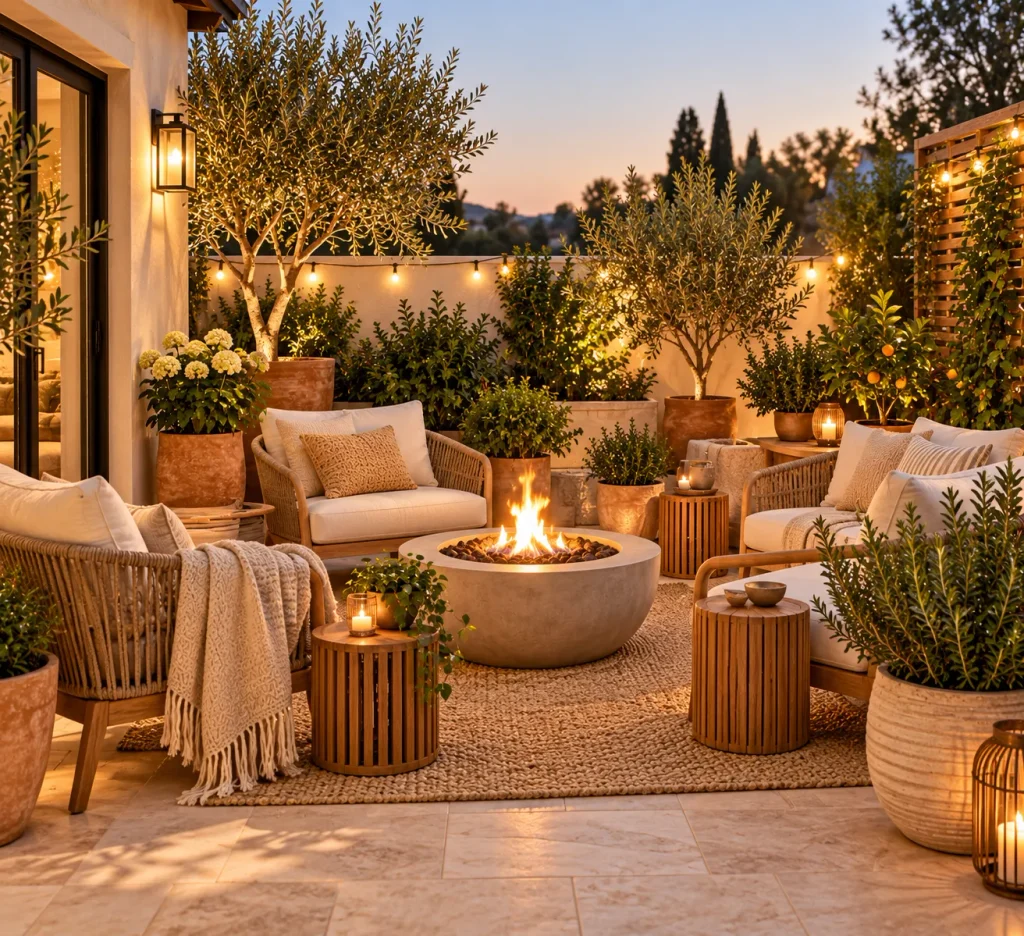
Image Description: Small patio centered around a compact round fire pit, with cream outdoor chairs, beige cushions, low teak stools, terracotta planters, and leafy greenery. Warm twilight lighting, subtle fire glow, pale stone flooring, earthy neutral palette, relaxed modern Mediterranean style, wide-angle photography.
- Select a fire feature sized appropriately for the available patio area.
- Keep seating at the manufacturer’s recommended safe distance.
- Place the unit on a stable, suitable surface.
- Check local regulations and the manufacturer’s safety instructions before use.
- Keep combustible fabrics, plants, and furniture safely away from the heat source.
A compact fire feature can create a natural focal point for evening gatherings without requiring a large seating arrangement. Choose a model suited to your patio and local requirements, then organize chairs around it with clear circulation. Keep safety the priority so the cozy atmosphere never comes at the expense of practical use.
Outdoor Floor Cushions

Quick Tip:
Choose floor cushions made with outdoor-rated fabric and quick-drying filling when possible. Place them on a weather-resistant rug or clean patio surface, and store them indoors during wet weather to keep them fresh and comfortable.
Floor cushions create flexible seating without adding bulky chairs to a patio. They work especially well for casual gatherings, reading corners, or small spaces where furniture needs to move easily. Keep a few cushions in complementary shades rather than matching every piece, giving the seating area a relaxed but coordinated appearance.
Covered Lounge Area
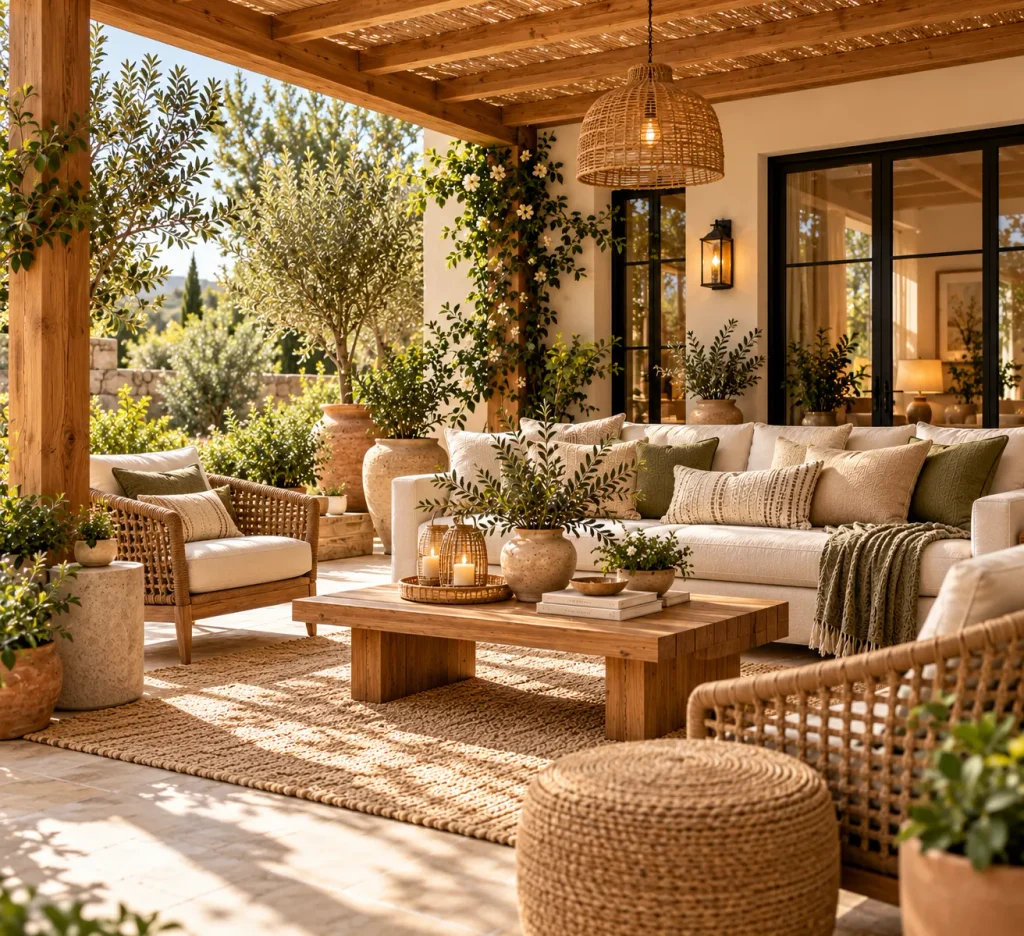
BEFORE
An uncovered patio can become uncomfortable during strong sunlight or light weather changes. Furniture may sit unused for much of the day because there is little protection from the elements.
AFTER
A covered lounge area creates a more usable outdoor room with shade and a stronger sense of definition. A pergola, awning, or suitable roof structure can provide overhead protection while giving you a clear place to arrange seating.
Consider how the sun moves across the patio before choosing the coverage style. Keep airflow open and select furniture and fabrics suited to outdoor conditions. Add curtains or climbing plants only where appropriate, so the structure remains comfortable rather than becoming enclosed and difficult to maintain.
Small Side Tables
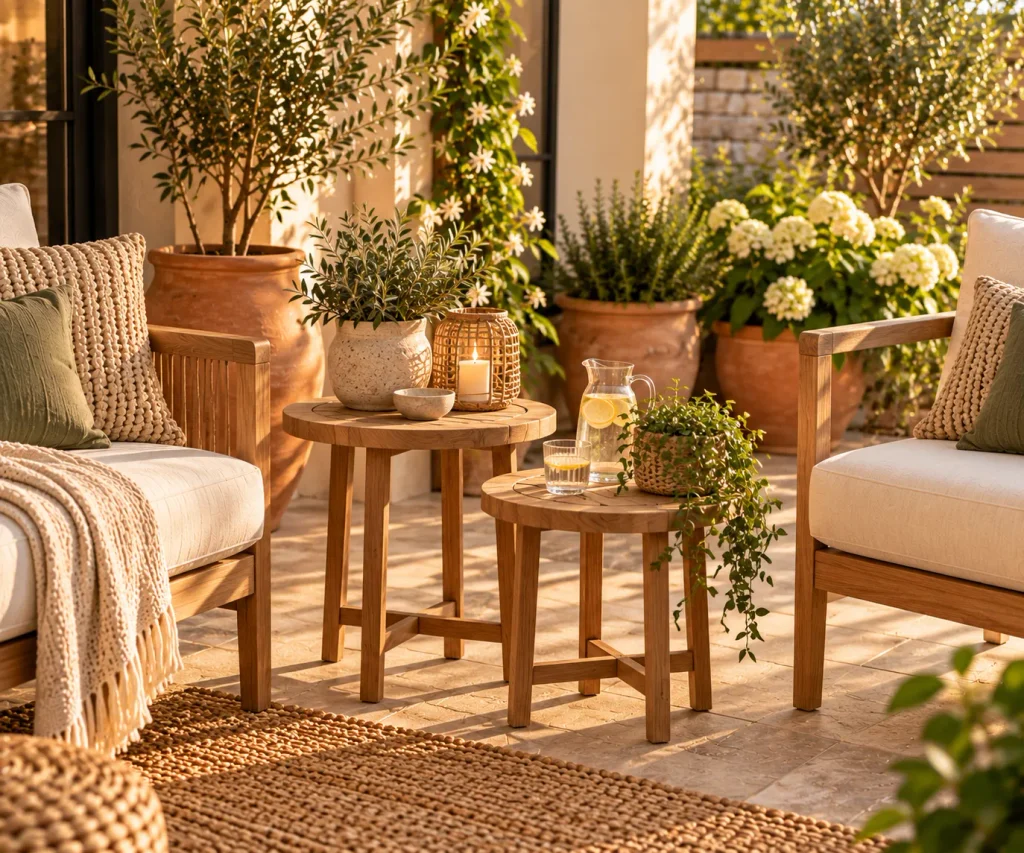
- Measure beside each seat: Check the available gap before selecting a table so people can move comfortably.
- Choose useful height: Keep the tabletop close to the height of the chair or sofa arm for easy access.
- Match the scale: Select compact tables that do not visually overpower the seating.
- Add one useful accent: Use a tray, small planter, or lantern without filling the entire surface.
Small side tables give every seat a convenient place for drinks, books, or decorative accents without consuming the space required by a large coffee table. Choose lightweight designs that can be moved when needed. I’ve noticed that using two or three small surfaces can make a patio more functional while keeping the overall layout flexible.
Outdoor Wall Art
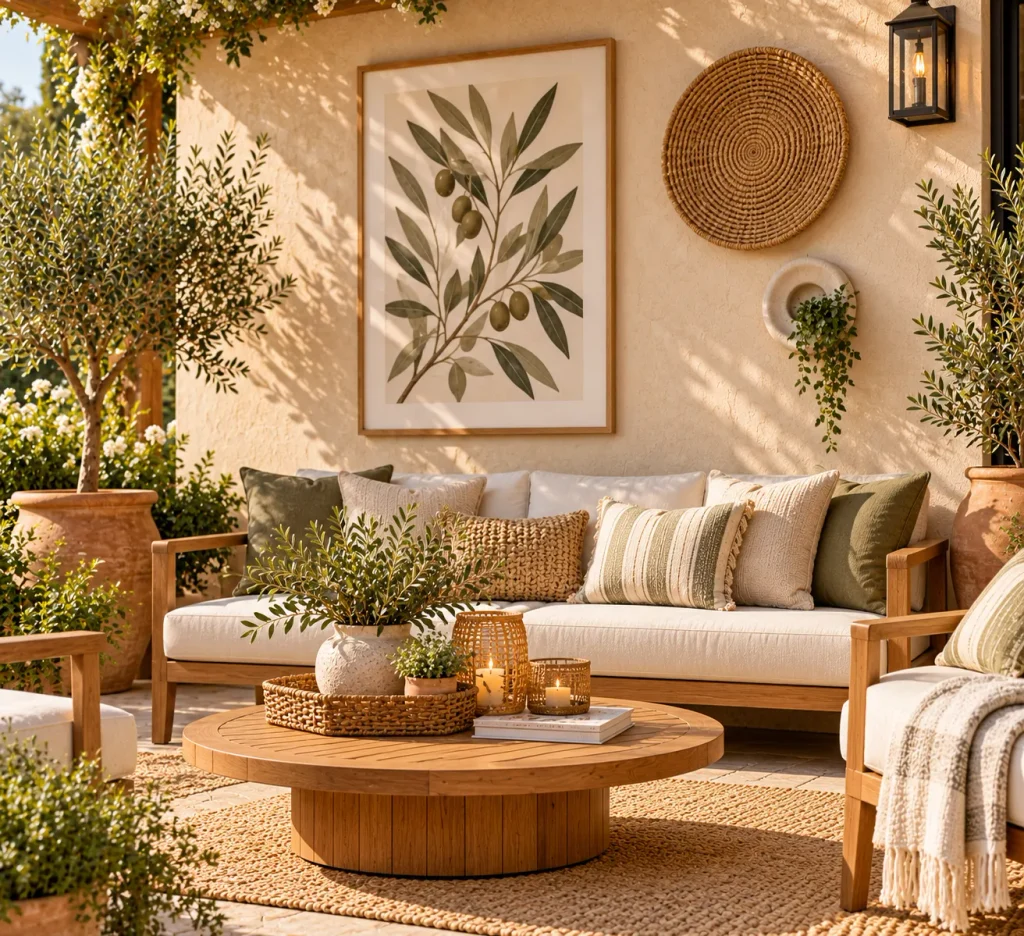
Outdoor walls can become useful design surfaces instead of being left completely bare. Choose weather-resistant artwork, decorative metal pieces, or treated wood accents that can handle the conditions of your patio. Keep larger pieces centered above the main seating area for a balanced focal point.
Mixing one substantial wall piece with a smaller texture, such as a woven basket or simple planter, can create depth without overcrowding the wall. Before hanging anything, check that the material and mounting method are suitable for outdoor exposure. A carefully chosen piece can also repeat colors already used in your cushions and planters.
CONCLUSION
Creating a comfortable outdoor area starts with choosing pieces that serve a real purpose. From cozy seating and layered rugs to plants, shade, lighting, and practical storage, these patio decor ideas can help you make better use of the space you already have.
Start with one area that needs attention, then add details gradually instead of trying to change everything at once. I’ve seen how simple improvements can completely shift the way an outdoor space feels and functions.
Save this article on Pinterest for your next patio refresh, try your favorite ideas, and share it with someone who could use fresh outdoor inspiration. A welcoming patio is built one thoughtful detail at a time.