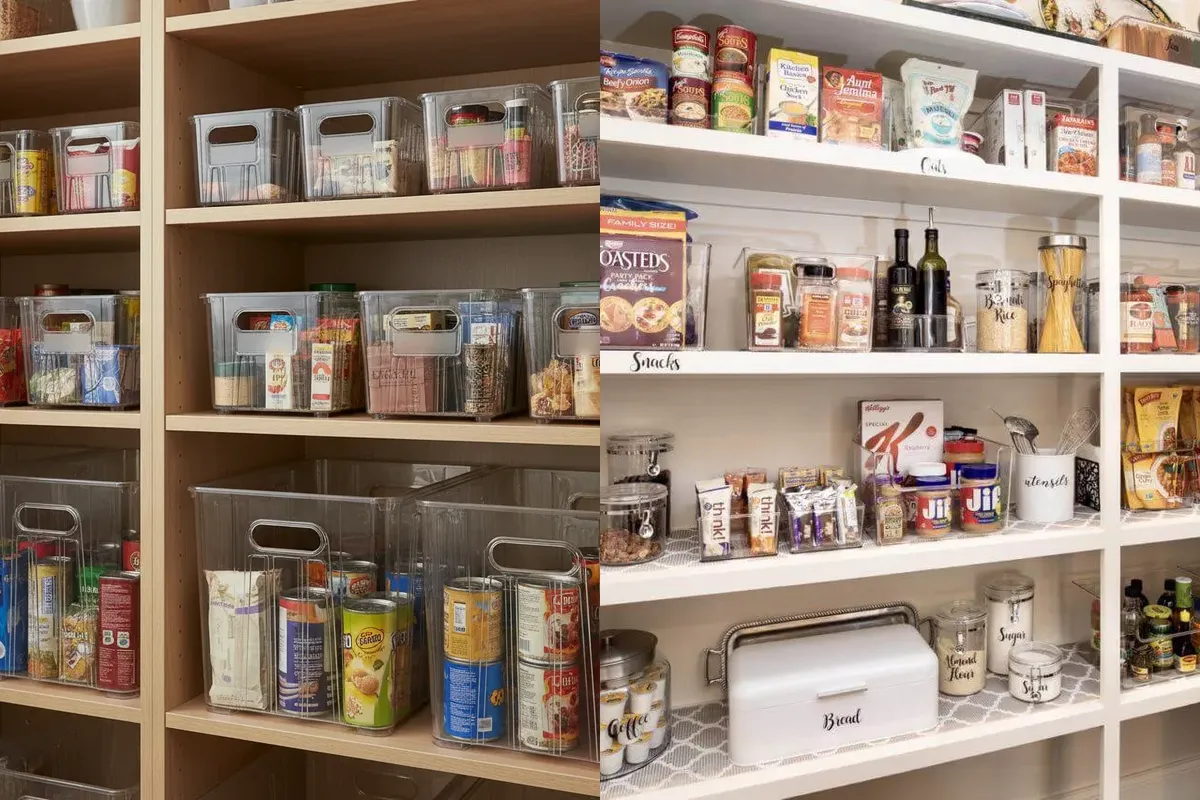
Deep Pantry Organization Ideas for Easier Access
A deep pantry sounds like a gift until the back row turns into a mystery zone of cans and forgotten boxes. The right deep pantry organization ideas change the whole shelf from a digging exercise into a grab and go system, because every item either slides, spins or steps up into view. This guide walks through 30 fixes for deep shelves: bins that pull out, risers that lift the back row, turntables that bring corners to you, and labels that tell the truth about what hides behind the front line. Pick the two or three that match your shelves and the digging stops.
Quick Answer
Give every item a way to travel forward: clear pull out bins for groups of food, tiered risers so the back row stays visible, and turntables where corners hide jars. Keep daily items in the front third, weekly stock in the middle, and bulk spares at the back.
Pull Out Clear Bins
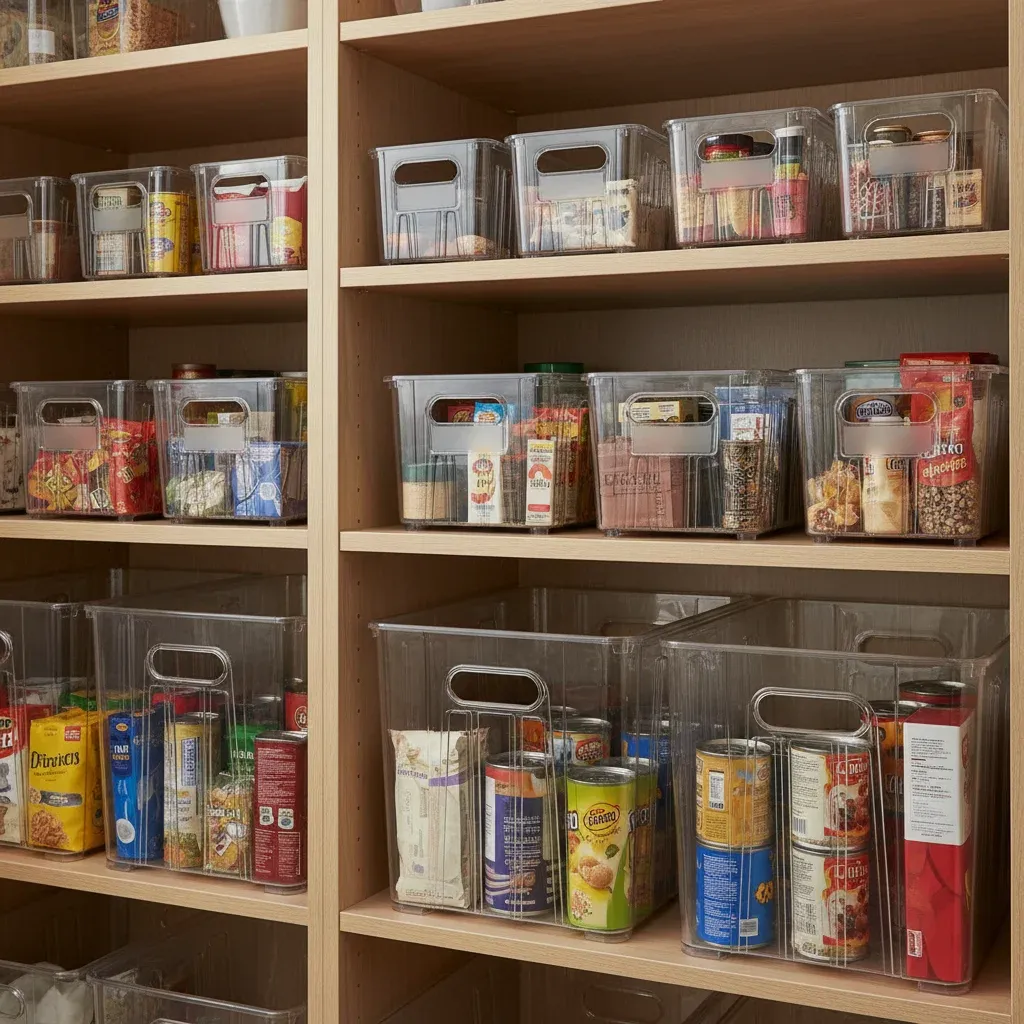
Image Credit: Inblog (https://image.inblog.dev?url=https%3A%2F%2Fsource.inblog.dev%2Ffeatured_image%2F2026-02-07T09%3A15%3A23.887Z-a64c9315-0676-433e-b960-96fd258a0f66&w=1200&q=85)
Clear bins turn one deep shelf into a row of shallow drawers. Load each bin by category, cans in one, baking supplies in another, snacks in a third, and the whole bin slides out when you need something from the back. Nothing gets pushed behind anything else.
Choose bins a little narrower than the shelf depth so a finger gap stays at the front for an easy grip. See through walls matter more than lids here: you spot the last soup can, and restocking becomes a one minute job instead of a shelf excavation.
Tiered Step Shelf Risers

Image Credit: Nestmood (https://nestmood.com/kitchen-cabinet-organization-2026-42-smart-ideas-for-every-space-and-style/)
- Set the tallest step at the back, like stadium seating for cans.
- Leave a finger width between rows so labels stay readable from the front.
- Keep heavy jars on the bottom step where the weight sits safely.
- Measure shelf depth first; most risers need 10 to 14 inches for three steps.
- Wipe steps weekly; crumbs collect in corners and hide small items.
A stepped riser turns a flat, deep shelf into three shallow ones. Cans that once hid behind the front row stand in plain sight, each label facing you. It is the cheapest fix here, and for canned goods and jars it beats bins twice the price.
Oversized Lazy Susan Turntable
Image Credit: Tidy Little Home (https://www.tidylittlehome.com/kitchen/)
Quick Tip: Pick a turntable that nearly fills the shelf depth, leaving only an inch or two of clearance. A small spinner in a deep pantry just creates a new dead zone around its edges, which defeats the whole point.
One slow spin brings the back row to the front, so oils, vinegars and sauces stop playing hide and seek. A rimmed edge keeps bottles upright while it turns, and a non slip base stops it travelling. For wide shelves, two turntables side by side beat one giant one.
Long Narrow Storage Baskets
Image Credit: Fix the Disposal (https://fixthedisposal.com/pantry-ideas-for-small-kitchens/)
Before: Pasta boxes, rice bags and sauce jars stood in three loose rows, and the back row only surfaced during a full shelf clear out.
After: Each row lives in one long basket, so pulling the basket out brings the whole row to the counter in a single move.
Long baskets match the shape of a deep shelf better than square bins, which leave wasted corners. Handles at the front make the pull easy even when the basket is loaded with jars. Line the bottom with a washable liner, because flour and rice dust settle fast in woven sides.
Roll Out Shelf Drawers

Image Credit: Suite101 (https://suite101.com/30-deep-drawer-storage-ideas/)
- Measure the shelf, then pick a roll out frame with half an inch of play on each side.
- Fix the rails to the shelf floor, keeping them parallel so the drawer glides straight.
- Clip the basket onto the rails and test the full glide empty before loading it.
- Load heavy cans low and centred, with lighter packets toward the front.
A roll out drawer gives a deep shelf the manners of a kitchen drawer: everything arrives in front of you, then rolls away again. It suits renters less, since rails screw down, but owners gain the smoothest reach of any fix here. One per shelf is plenty.
More Info : No Pantry Kitchen Storage Solutions That Save Space
Back Row Label System
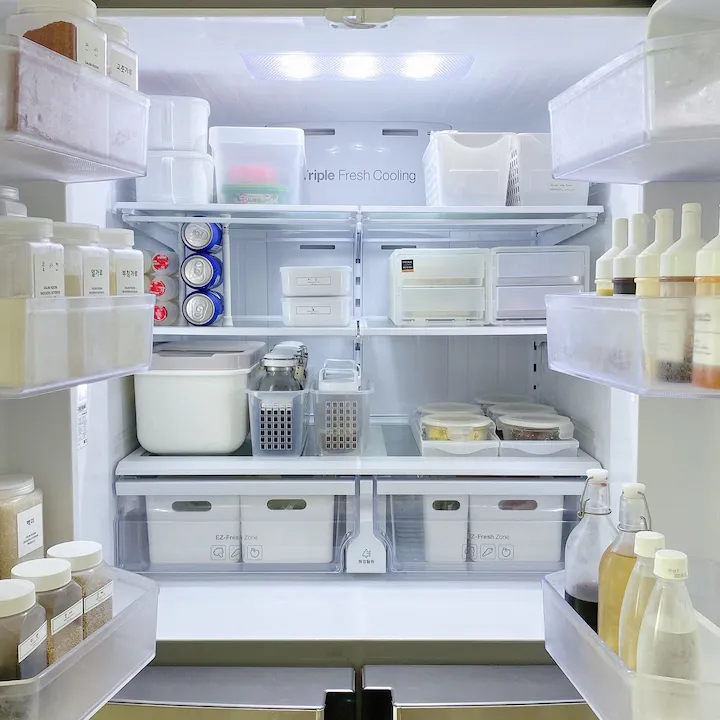
Image Credit: Pinterest (https://www.pinterest.ph/jjluna/kitchen-cabinet-organized/)
Do:
- Label the back row itself, with one label on each bin or riser end.
- Use big, plain lettering you can read from the doorway.
- Note the purchase month on tape so old stock gets used first.
Don’t:
- Trust memory for the back row; it fails within a fortnight.
- Mix categories in one deep bin, because the label stops being true.
- Use tiny script labels that only work up close.
Labels are the cheapest reach tool: they tell you what the back row holds before you move a single jar. A labelled bin gets pulled out with purpose, while an unlabelled one gets ignored. Keep a marker and tape inside the pantry door so relabelling takes ten seconds.
Over Door Rack Storage
Image Credit: Zola (https://www.zola.com/registry/perchelleandjoab)
Cost: Low to medium, most racks cost less than two storage bins
Time: About 15 minutes to hang and load
Best For: Shallow items lost on deep shelves, like spice packets and wraps
Shelf Space Freed: Often one full shelf, once the small items move to the door
The inside of the pantry door is prime shallow storage hiding in plain sight. Moving spices, stock cubes and foil boxes there frees the deep shelves for bulky stock, and the rack puts small items at eye level. Check door clearance so loaded racks clear the shelf fronts.
Stackable Can Dispenser Rack
Image Credit: Organize Chic Store (https://organizechicstore.com/products/b09m9l25xg)
A can dispenser rack keeps cans in a rolling queue, so the oldest can always reaches your hand first. Load cans from the top and they roll forward one at a time, so the oldest can is always the one that reaches your hand first. No can retires to the back row to expire in peace, because the rack simply will not let it stay there.
Stack two dispensers and a shelf of soup, beans and tomatoes stays visible at a glance. The open front doubles as a stock check: when the front slot sits empty, that variety goes on the shopping list before it runs out completely.
Deep Shelf Divider Bins
Image Credit: Dwell Muse (https://dwellmuse.com/tiny-pantry-ideas-maximize-your-storage-space/)
- Choose bins as deep as the shelf, so bin fronts line up with the shelf edge.
- Give each bin one job only: all pasta, all baking, all snacks, never a mixture.
- Pick bins with a cut out front handle for a one handed pull.
- Leave a small gap between bins so fingers can grip the sides on heavy loads.
- Stand tall boxes at the bin back so names show above the rim.
Divider bins slice one wide, deep shelf into tidy lanes, and each lane pulls out like a drawer. The bin, not your memory, decides where things live. Start with two bins on the worst shelf and add more once the habit sticks.
Two Tier Turntable Spinner

Image Credit: Desertcart (https://www.desertcart.sc/products/761897775-lamu-12-inch-2-tier-lazy-susan-turntable-organizer-rotating)
Quick Tip: Keep the top tier for short jars and the bottom tier for tall bottles. Loading it the other way round wastes headroom and makes the top layer wobble as it turns.
Two levels of spinning storage double what a single turntable holds without eating more shelf depth. Short jars that once vanished behind tall bottles get their own stage, and one turn shows you both levels at once. It suits the shelf where spices and condiments crowd together.
Sliding Wire Baskets
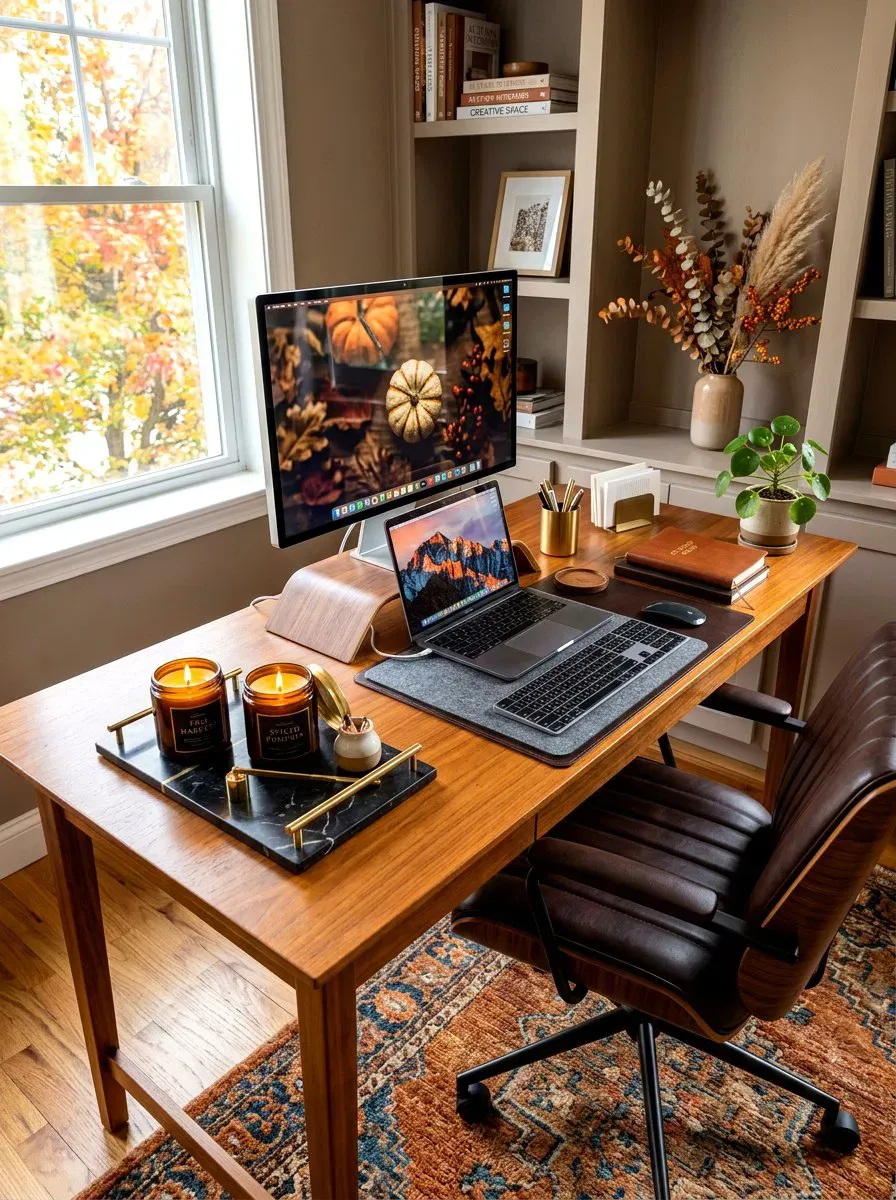
Image Credit: TikTok Shop (https://shop.tiktok.com/us/pdp/1732510507470459778)
Before: Loose packets slid to the back of the wire shelf and wedged between the rails, out of sight and out of mind.
After: Shallow wire baskets ride on simple tracks under each shelf, and every packet lives in a basket that slides out to meet you.
Wire baskets suit pantries with open wire shelving, where small items slip through the gaps. The see through base means you can spot what is inside from below, and the slide brings it forward without a stretch. Keep one basket for packets and gravies, the worst offenders for disappearing.
Front Row Grab Zone
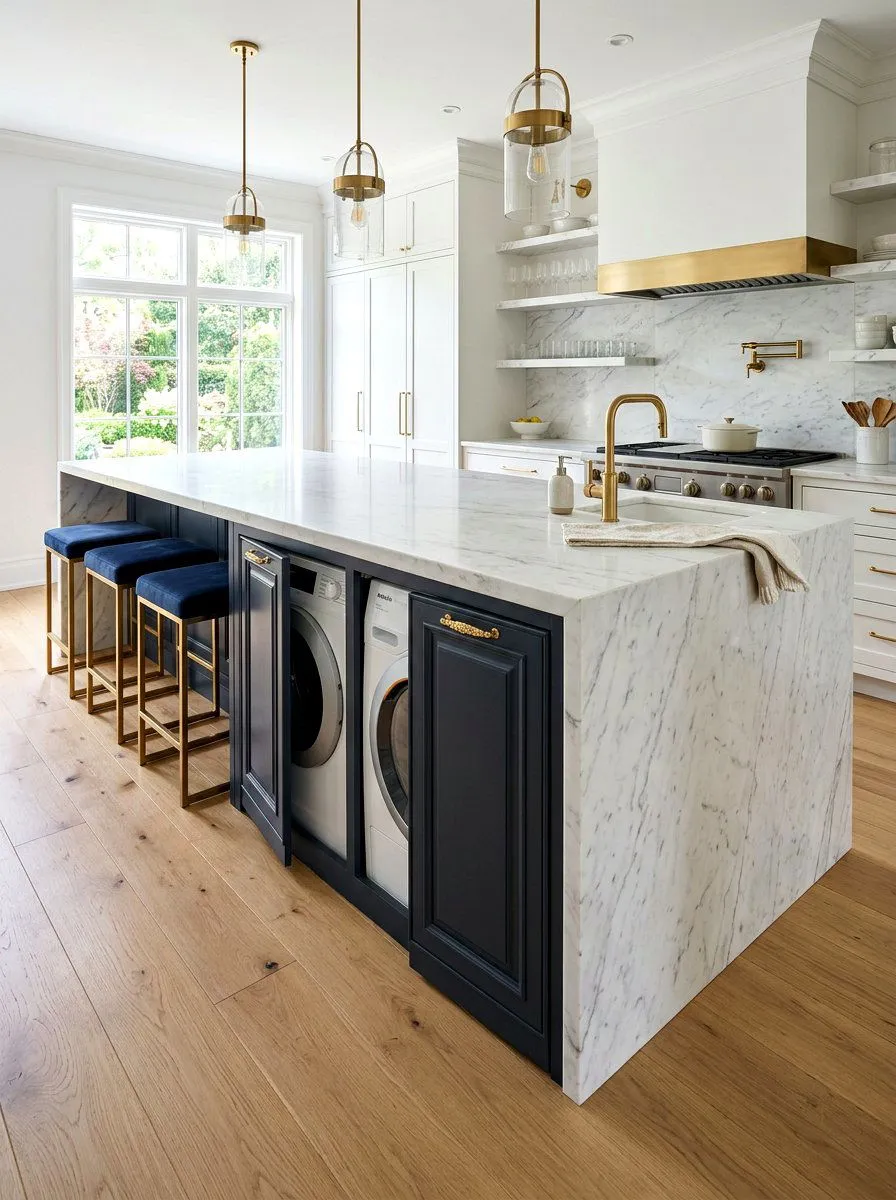
Image Credit: sbsbx4.wpenginepowered.com (https://sbsbx4.wpenginepowered.com/everyday/organization-with-wipt-designs/)
- Note what you grabbed every day this week: oil, cereal, coffee, pasta.
- Give daily items the front third of the easiest shelf, at waist to eye level.
- Move weekly items to the middle third and monthly bulk stock to the back third.
- Mark zones with shelf edge labels so the system survives restocking day.
- Review the zones every season, since cooking habits change with the weather.
Zoning by reach frequency means the deep back of the shelf only holds things you rarely need, which is exactly where deep storage works best. The daily grab becomes a one second job, and the back row stops feeling like a punishment detail.
More Content : 25 Smart Kitchen Organization Ideas That Save Space
Handled Storage Crates

Image Credit: Home24 (https://www.home24.at/produkt/regal-oka-braun-massivholz-26-x-16-x-26-cm)
Do:
- Pick crates with strong cut out handles that carry a full load without flexing.
- Keep one crate per food group, so a category travels to the counter at once.
- Line crates with a flat board if small bottles tip between the slats.
Don’t:
- Stack loaded crates two high on a deep shelf; the bottom one becomes unreachable.
- Overfill past the handle line; the grip is the whole point.
- Use crates wider than the shelf opening, or pulling them out becomes a fight.
Crates with strong handles carry a whole food category to the counter in one trip, which keeps heavy back stock easy to reach and count. The open slats keep air moving around onions and potatoes stored away from the light. For bulk buying households, one crate per staple keeps the back stock easy to count.
Under Shelf Hanging Baskets
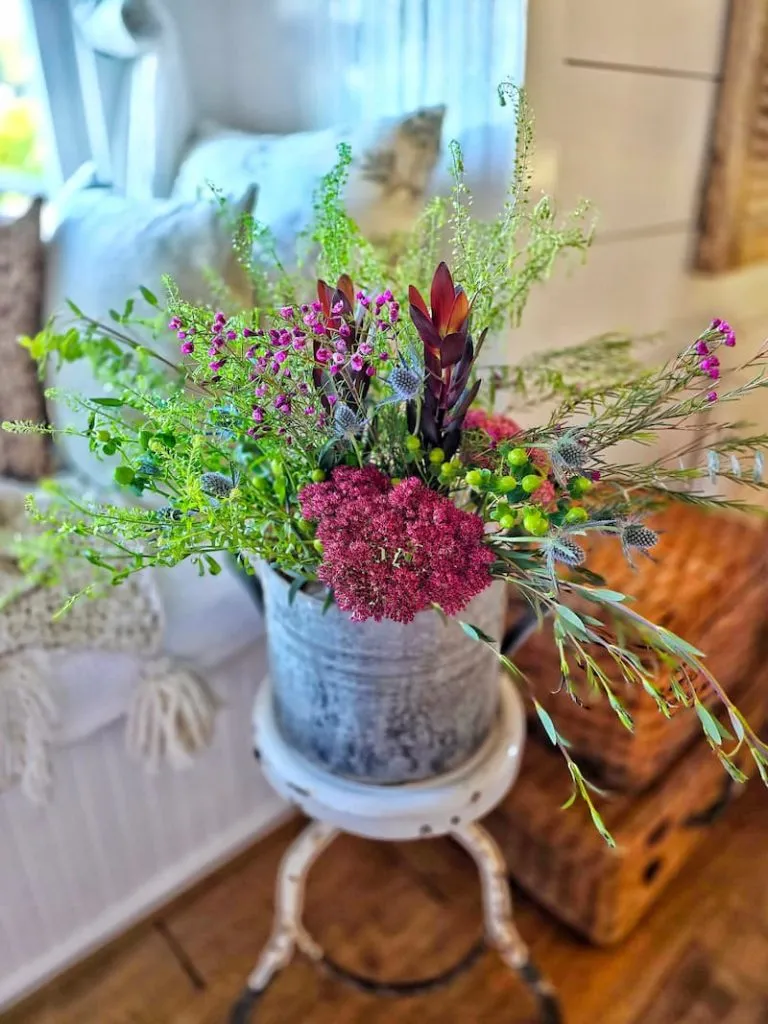
Image Credit: Kaspi (https://kaspi.kz/shop/p/korzina-korzina-25x35x12-sm-metall-162106009/?c=750000000&m=30447739&ms=true)
Cost: Low, usually the price of one good storage bin
Time: About 5 minutes per basket, no tools needed
Best For: Flat, light items like wraps, packets, napkins and snack bars
Weight Limit: Keep loads light, around 2 kg per basket, so the shelf above stays happy
The space under each shelf is storage nobody uses, and a clip on basket claims it in seconds. Flat items that slide around a deep shelf get a shallow home, right at the front. Fit one under the top shelf and watch the shelf below feel calmer.
Clear Canister Single Row

Image Credit: Mavipic (https://mavipic.com/explore/clever-kitchen-ideas)
Decanting staples into clear canisters arranged in a single row keeps every jar visible and grabbable, with no hidden back row. The moment a second row forms, the back jars become decoration instead of storage. One row, front to back along the shelf side, keeps every staple visible and grabbable.
Square canisters beat round ones on deep shelves because they sit shoulder to shoulder with no wasted crescents between them. Add the cooking time or a simple name label on the front of each, and even a dim pantry stays readable. Refill from the back stock crate on shopping day.
Corner Lazy Susan Spin
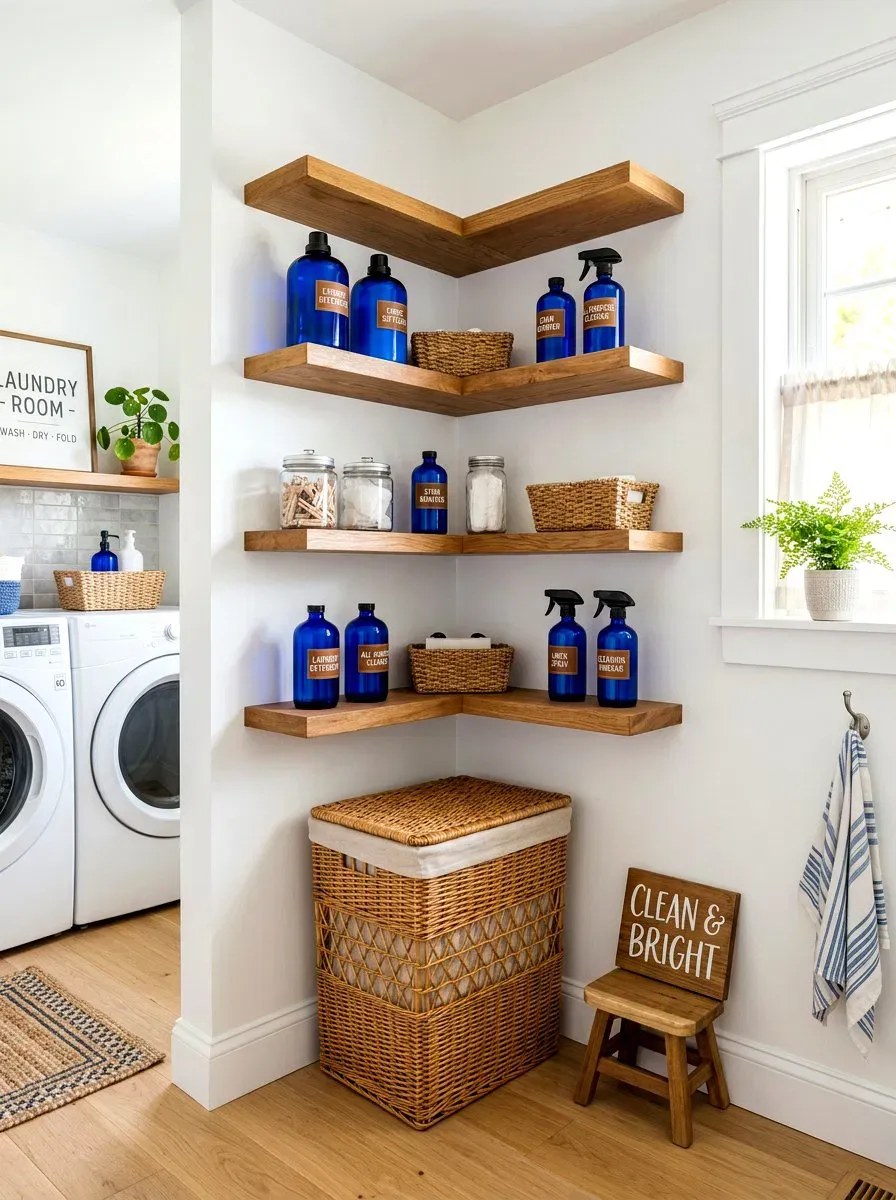
Image Credit: Suite101 (https://suite101.com/30-pantry-shelving-layout-ideas/)
- Measure the corner to its back point, then buy the widest turntable that fits.
- Load the corner spinner with items you use weekly, not daily; daily items belong at the front.
- Keep a clear lane in front so it can spin without knocking front items over.
- Group by type on the disc, so a quarter turn finds the right group.
- Wipe the disc monthly, since corners collect crumbs and sticky rings fast.
Deep pantry corners are where jars go to be forgotten, but a wide turntable turns that dead angle into working storage. The back point of the corner becomes the far side of the disc, and one spin delivers it.
Spice Step Riser
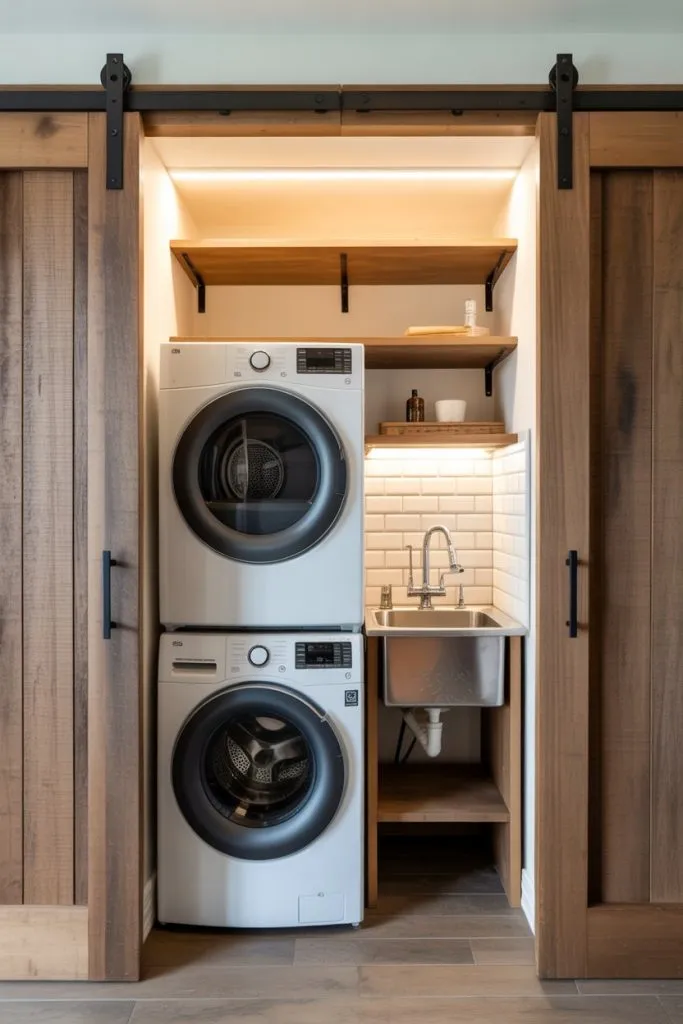
Image Credit: Bustle (https://www.bustle.com/life/the-absolute-best-organziation-products-on-amazon-under-25)
Quick Tip: Arrange spice jars alphabetically on the steps once, and put them back in the same order every time. On a stepped riser the system only works if your hand learns where each jar lives.
A small stepped riser lifts spice jars into three readable rows, so the back row of little jars stops hiding behind the front. It takes a fraction of one shelf and suits the deep shelf where spices share space with cans. Reading every label without lifting a jar is a small daily luxury.
Wheeled Rolling Storage Crate

Image Credit: Walmart (https://i5.walmartimages.ca/asr/ba88b4bb-d647-4d0a-8d96-3e34ab1f2871.67ea39c39b1a17ccdada6703b7e50f6d.jpeg)
Before: Bulk bags of rice, flour and pet food sat on the pantry floor, and reaching them meant moving everything in front first.
After: Heavy bags live in a low crate on wheels under the bottom shelf, and one pull rolls the load out into the light.
Floor level depth is the hardest reach in any pantry, and wheels solve it without lifting. A sturdy crate rated for 20 to 25 kg keeps heavy bags off the floorboards and away from damp, too. Push it back with your foot when you are done; it is the one storage fix that parks itself.
Depth Zone Shelf System

Image Credit: Ideas 4 Inspiration (http://ideas4inspiration.com/wp-content/uploads/2025/08/6.-Multi-Zone-Organization-System-1.webp)
- Empty one deep shelf completely and clean it for a blank map.
- Divide the shelf into three depth bands: front for daily, middle for weekly, back for bulk.
- Give the back band a bin, riser or turntable first; it needs a tool, not loose items.
- Fill the middle band with grouped baskets and the front band with loose daily items.
- Write zone names on the shelf edge so everyone stocks it the same way.
A shelf with depth zones stops the slow slide into chaos, because every item has a band where it belongs. Guests and teenagers can restock correctly without a lecture, which is the real test of any system. Repeat three bands on every shelf and the pantry reads like one map.
Raised Back Row Risers
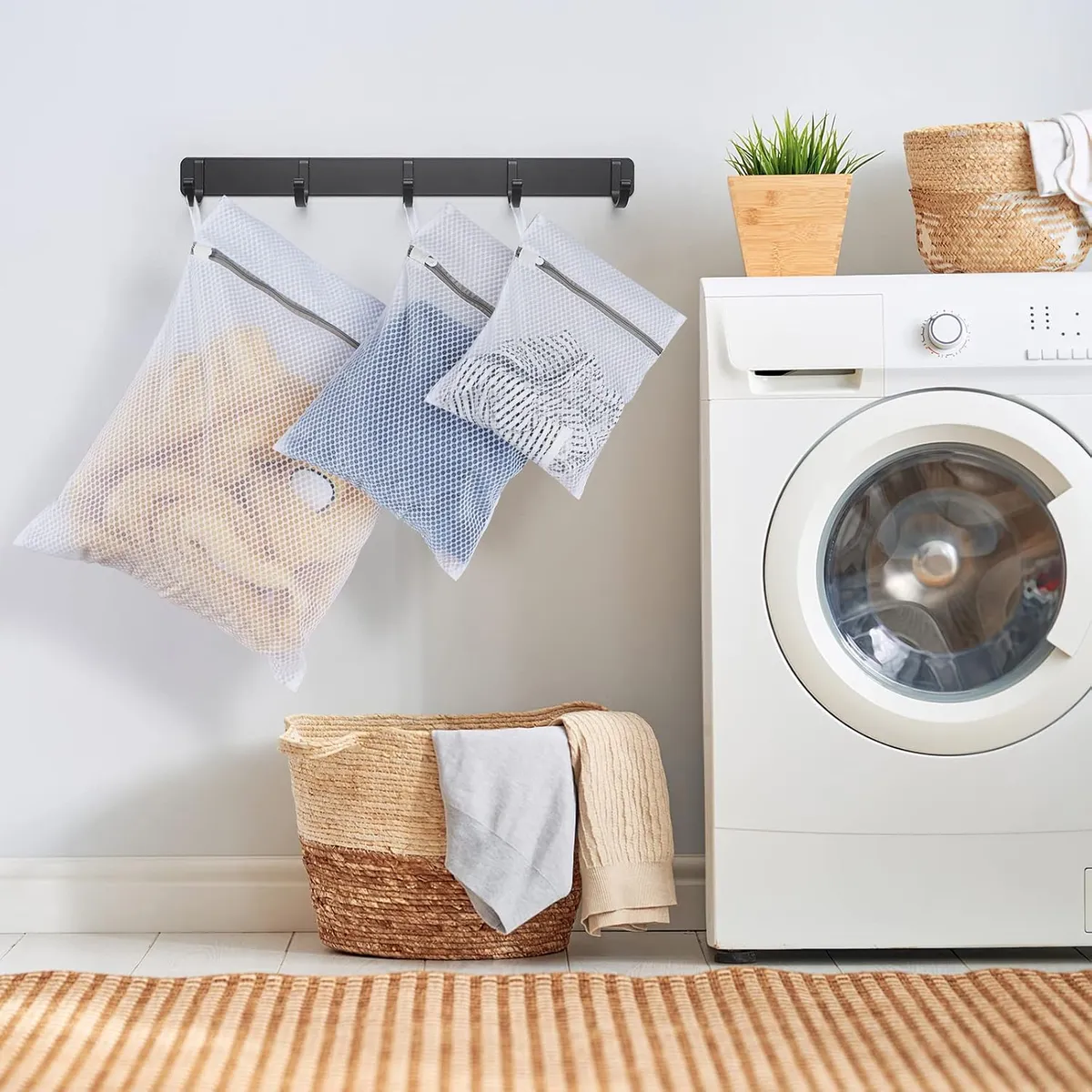
Image Credit: Suite101 (https://suite101.com/30-snack-pantry-ideas/)
Do:
- Raise the back row 8 to 15 cm so labels clear the front items.
- Use a stable riser, like a long wooden crate, that will not tip when loaded.
- Keep the riser against the back wall so no gap opens behind it.
Don’t:
- Build a wobbly box tower as a riser under heavy glass jars.
- Raise items you grab daily; stretching for them gets old fast.
- Block the riser with tall front items, or the raised row disappears again.
Height is the other half of the depth problem: a back row you can see is one you will use. A raised platform turns the rear of the shelf into a display line of labels. It pairs well with front row bins, and together they civilise the deepest shelf.
Gravity Feed Can Rack
Image Credit: Home Funky (https://homefunky.com/kitchen-pantry-cabinet-ideas/)
Cost: Medium
Time: About 20 minutes to assemble and load
Best For: Households that buy soups and vegetables in bulk
How It Works: Cans load at the top, roll down a track, and wait at the front in order
A gravity rack restocks itself: cans loaded at the top roll down a track and line up at the front, oldest first. For deep shelves it is close to magic: the back of the rack is the loading end, not a hiding place. Check widths before ordering.
See Through Mesh Bins

Image Credit: Top Daily Trends (https://topdailytrends.net/product/mdesign-steel-food-storage-organizer-bin-mesh-basket-space-saving-for-kitchen-cabinets-countertop-pantry-fridge-freezer-organization-canned-food-sugar-flour-meshi-collection-4-pack-white/)
Mesh bins give you the pull out benefit of a solid bin with one extra gift: you can see the contents from the side and below. On a deep shelf, a quick crouch tells you which bin holds the onions and which holds the snack bars, without pulling each one out.
The open weave suits produce and packets that like air, and an empty bin weighs under half a kilogram. Handles matter as much as with solid bins, because a mesh bin full of cans is still a heavy lift. Choose a tight weave so small items cannot poke through and snag.
Adjustable Shelf Dividers
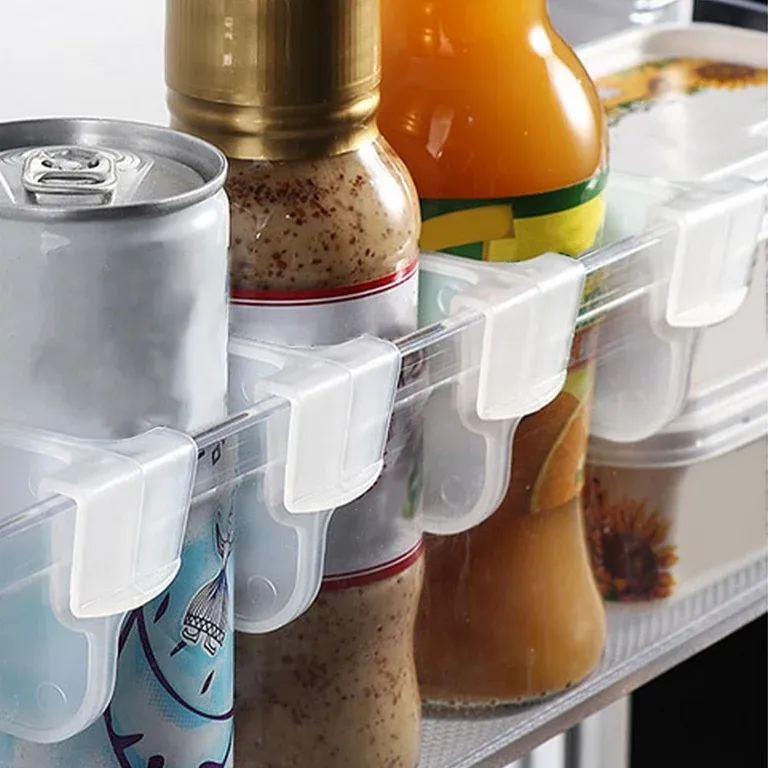
Image Credit: Mazdur (https://mazdur.online/fixwal-12pcs-shelf-dividers-for-closet-organization-acrylic-shelf-divider-for-wooden-shelving-wood-shelf-organizer-for-closet-bedroom-kitchen-and-office/)
- Clip dividers onto the shelf edge and slide them until each lane matches its contents.
- Make narrow lanes for boxes and packets that topple into each other.
- Keep one wide lane free for oversized items like cereal boxes and oil bottles.
- Reposition the dividers each season as the shopping mix changes.
- Pair dividers with front labels so each lane keeps its job between shops.
Dividers turn depth into lanes: items stand in single file instead of spreading into a jumble, and single file means the back item is simply the last one, easy to reach past its neighbours. Most sets cost under 20 dollars, fit almost any shelf, and undo in seconds when your storage needs change shape.
Door Mounted Spice Rows

Image Credit: Suite101 (https://suite101.com/30-kitchen-pantry-ideas/)
Quick Tip: Mount spice rows on the door at the height of your deepest shelf, in the same line of sight when you scan it, so planning supper takes one glance instead of two searches.
Mounting spice rows on the pantry door keeps every jar in one labelled line, so nothing vanishes at the back of a deep shelf. Narrow rows hold every jar in a single line with its label showing, and the deep shelf is freed for cans and bulk goods. Check the door closes once loaded, and add a felt pad if it knocks.
Stacking Shelf Inserts
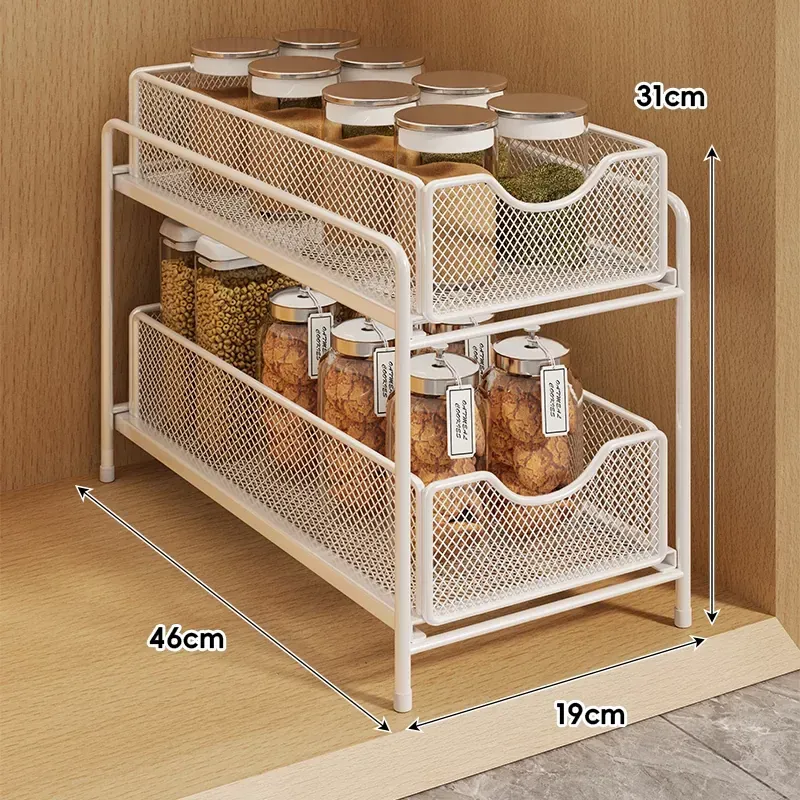
Image Credit: Isika Storage (https://www.isikastorage.com/products/pullout-multilayer-storage-rack-for-kitchen-sink-cabinet-organizer–bathroom-vanity-maximize-space–keep-essentials-at-hand)
Before: One tall, deep shelf held a single layer of food with a metre of wasted air above it, while the shelf below overflowed.
After: A stacking insert split the tall shelf into two levels, each with its own bins, and the overflow moved up into the empty air.
Insert racks double a deep shelf along its height, which helps most with tall gaps. Each level stays shallow enough to read at a glance. Put the insert on the back half of the shelf, front half open, so both levels stay reachable.
Basket Rotation Routine
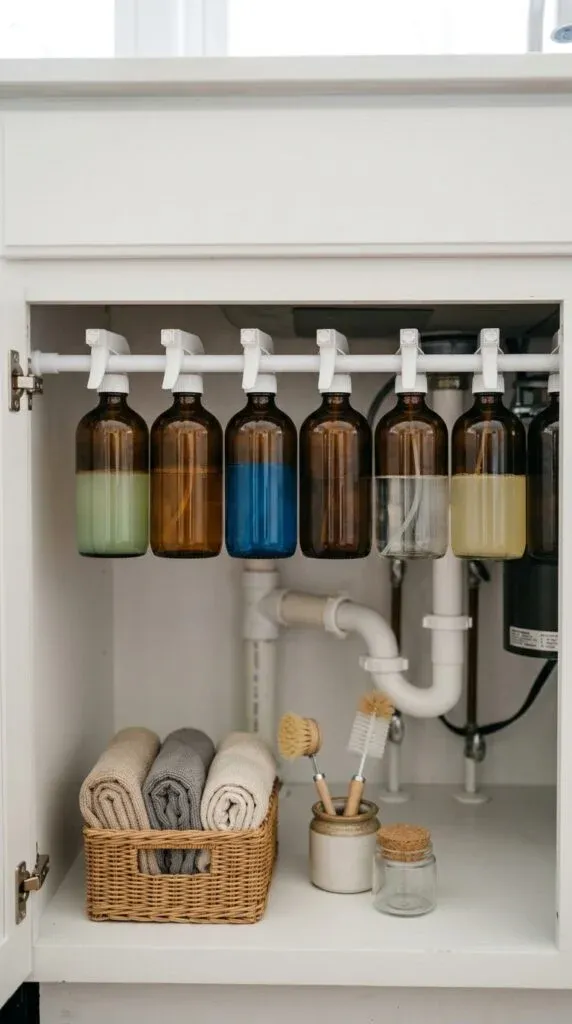
Image Credit: Plus Mood (https://plusmood.com/open-pantry-ideas/)
- When you unpack shopping, place new items at the back of each basket.
- Slide the older items forward as you load, the way shops rotate stock on their shelves.
- Cook from the front of the basket through the week, so the oldest food gets used first.
- Once a month, empty one basket fully and check dates before anything goes back in.
- Keep a notepad on the door and list anything running low.
Rotation is the habit that protects all the hardware in this guide: bins and risers only help if food keeps moving. The routine takes no extra time, since it rides on the unpacking you already do. Within a month, expired cans become a memory instead of a monthly discovery.
Slim Vertical Dividers
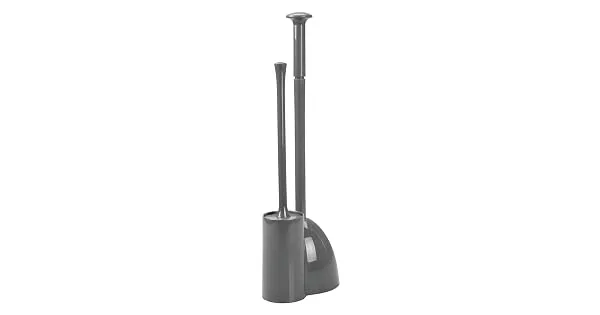
Image Credit: Ably (https://mobile.a-bly.com/goods/14295620)
Do:
- Stand baking sheets, wraps and flat packets upright in divided slots.
- Use dividers on the deepest shelf, where flat items otherwise slide into a hidden stack.
- Leave one slot empty, so pulling one item does not drag the rest along.
Don’t:
- Lay flat items in a pile at the back; the bottom one vanishes for the season.
- Force thick items into slim slots, or the dividers bend and the system collapses.
- Hide the divider section behind tall jars, or the whole idea defeats itself.
Slim vertical dividers file flat items upright at the back of a deep shelf, so each one stays visible and slides out on its own. It works a treat for wraps, baking paper, chopping boards and all the lids that never match any pot you own.
Under Shelf Light Strips
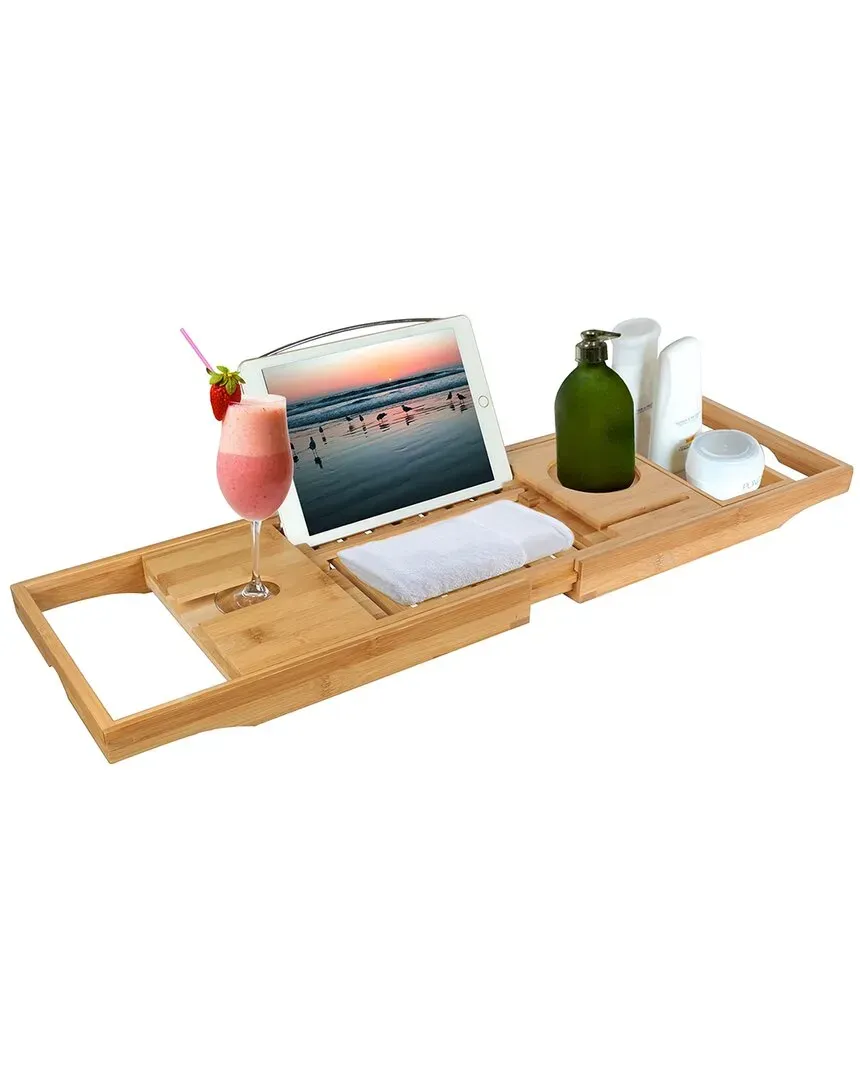
Image Credit: Little Home Gems (https://littlehomegems.com/blog/cabinet-pantry-style/)
Cost: Low, a short strip with batteries costs very little
Time: About 10 minutes to stick up and test
Best For: Windowless pantries and shelves deeper than 50 cm
Power: Battery strips with a motion sensor save wiring and switch themselves off
An under shelf light strip fixes the seeing half of the reach problem by washing the back row in light instead of shadow, and back labels read as clearly as front ones. Motion sensor models switch on as the door opens. Fit a strip on your darkest shelf and test it tonight.
Uniform Square Containers
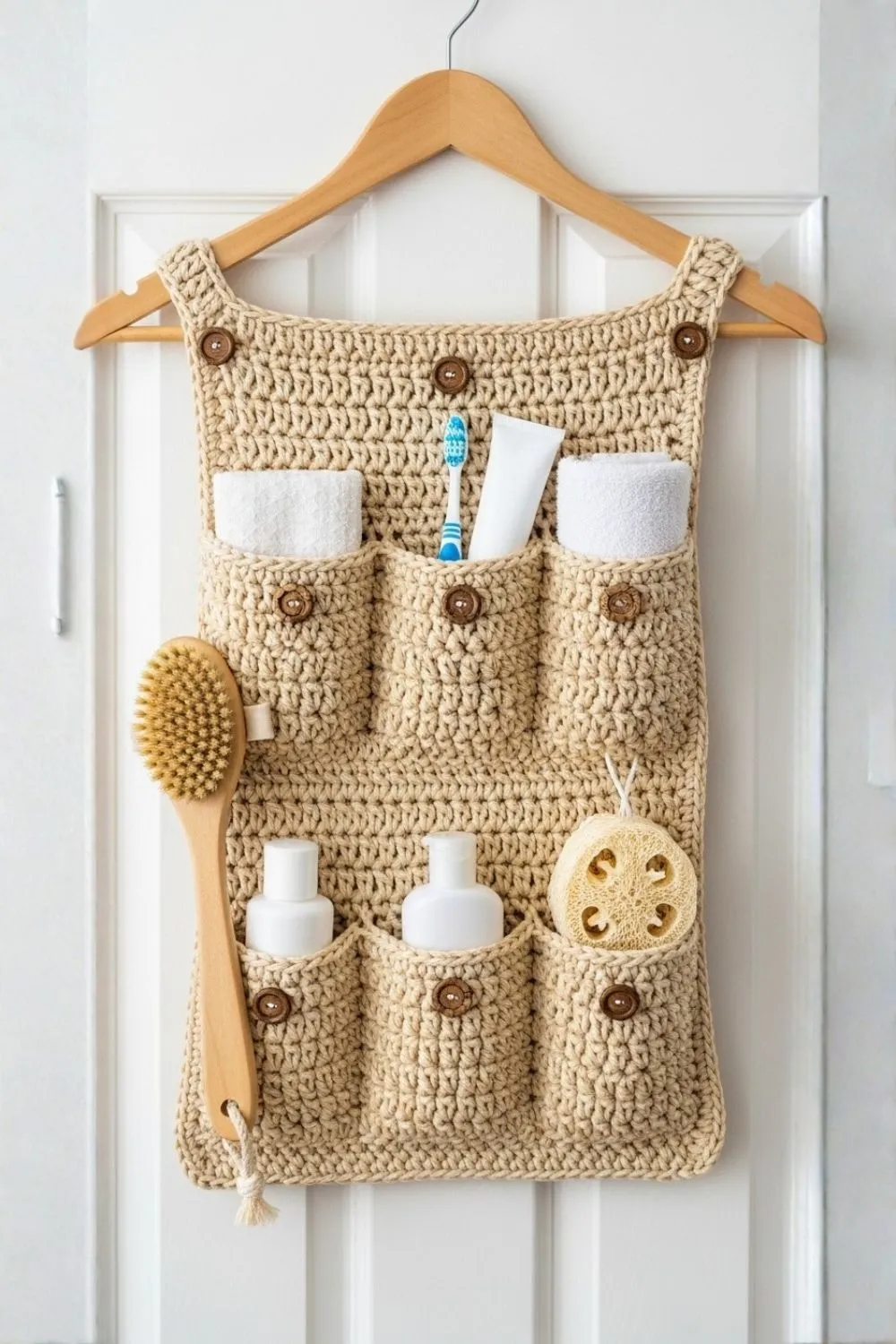
Image Credit: PinVibe (https://www.pinvibe.com/media/352195633356739897)
A shelf of matching square containers behaves like a chest of drawers: equal widths, straight lines and no shapes wasting the corners. On deep shelves the gain doubles, because two columns of squares use the full depth while a jumble of round tubs leaves dead pockets behind them.
Uniform containers also stack in a stable second layer. Buy the same model so lids stay interchangeable, and keep one spare size for the odd item that refuses to match. It is a slow system to build, but each matching tub makes the shelf calmer.
Full Shelf Weekly Reset

Image Credit: Suite101 (https://suite101.com/30-pantry-shelving-layout-ideas/)
- Pick one shelf a week on a rota, so the pantry resets about monthly.
- Pull every bin and basket on that shelf fully out onto the counter.
- Check dates, wipe the shelf, and throw out anything past its best.
- Restock with the oldest items at the front and new shopping at the back.
- Note gaps on the shopping list while the shelf sits empty.
Ten honest minutes a week keeps deep shelves honest. The reset catches the can that rolled behind a bin and the packet under a riser before they become next season’s surprises. Tie it to the big weekly shop, and it will not feel like one more chore.
Common Questions
How do I stop food getting lost at the back of deep shelves?
Give the back row a tool, not loose items. A pull out bin, a tiered riser or a turntable brings the depth to you, so nothing sits out of sight long enough to expire or be bought twice.
What should I store at the very back of a deep pantry?
Keep bulk spares and rarely used items at the back, such as extra rice, backup cans and seasonal baking supplies. Daily items belong in the front third, where you can grab them without moving anything else first.
Are pull out drawers worth fitting in a deep pantry?
Yes, if you own the home and the shelves are deep. Fitted drawers give the easiest reach of any option, turning a shelf into a kitchen drawer. Renters get nearly the same result from freestanding roll out frames and bins.
How often should I reset a deep pantry?
A light weekly habit works best. Pull one shelf fully out, check dates, wipe it down and restock with the oldest items at the front. Rotating one shelf a week keeps the whole pantry honest in about ten minutes total.
Conclusion
A deep pantry does not need to be a place where good food goes to hide. Bins that pull out, risers that lift the back row, turntables that spin the corners to you and labels that tell the truth turn depth from an enemy into extra storage you can actually use. Start with the worst shelf, apply one or two of these deep pantry organization ideas, and live with it for a week. Then save this list to your Pinterest board for the next shelf, try another fix, and share it with anyone whose pantry swallows their shopping.


One Comment