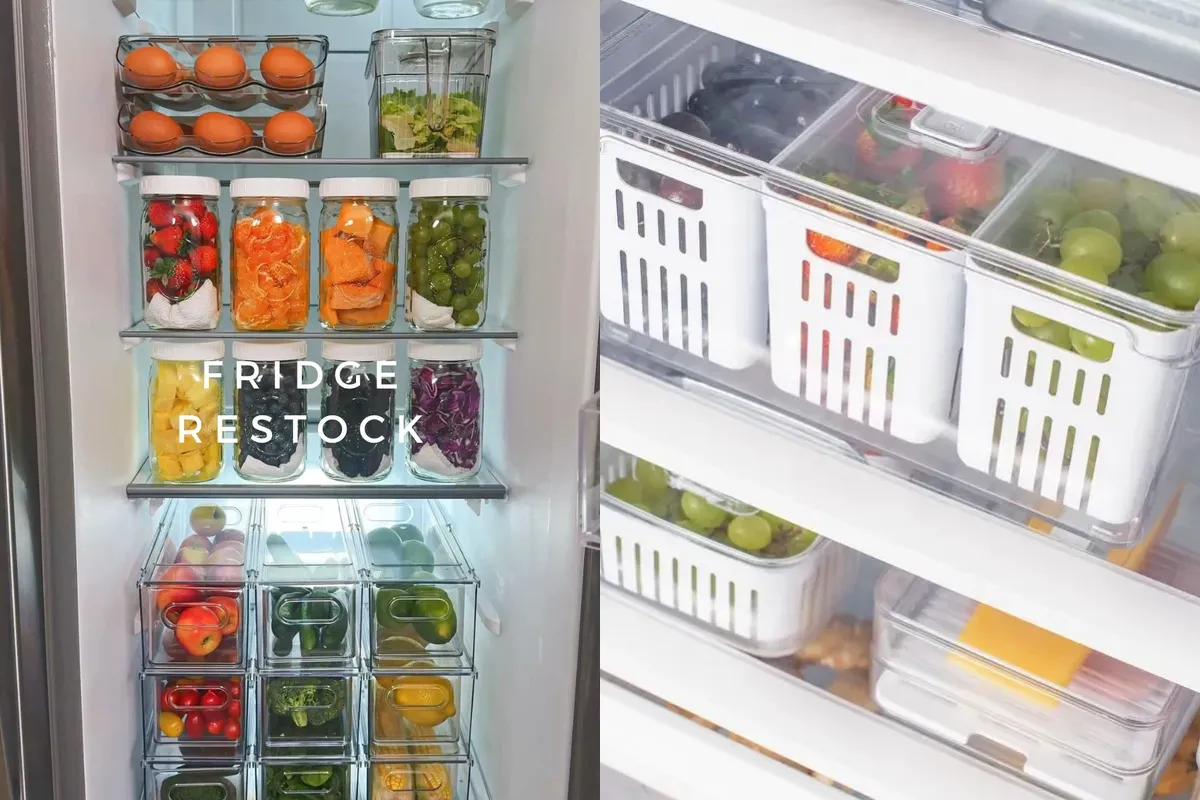
Refrigerator Organization for Small Spaces Made Simple
A small kitchen does not need a bigger fridge. It needs a fridge that works harder, and smart refrigerator organization for small spaces starts with using the shelves, door and drawers you already have. Most standard fridges waste a third of their room on air gaps, rolling bottles and food buried at the back. The 30 ideas below fix that with stackable bins, risers, turntables and simple zones, all sized for a regular fridge in a tight kitchen. Pick three or four this week, and the same fridge will suddenly hold a full grocery run with room to spare. Most fixes cost a few dollars, need no tools and take under ten minutes to set up.
Quick Answer
Group food into zones: breakfast on one shelf, raw meat in a tray on the lowest shelf, condiments in door rows. Use clear stackable bins, shelf risers and a turntable to claim vertical space and reach the back. Label leftovers with dates and rotate older items forward weekly.
Clear Stackable Bins
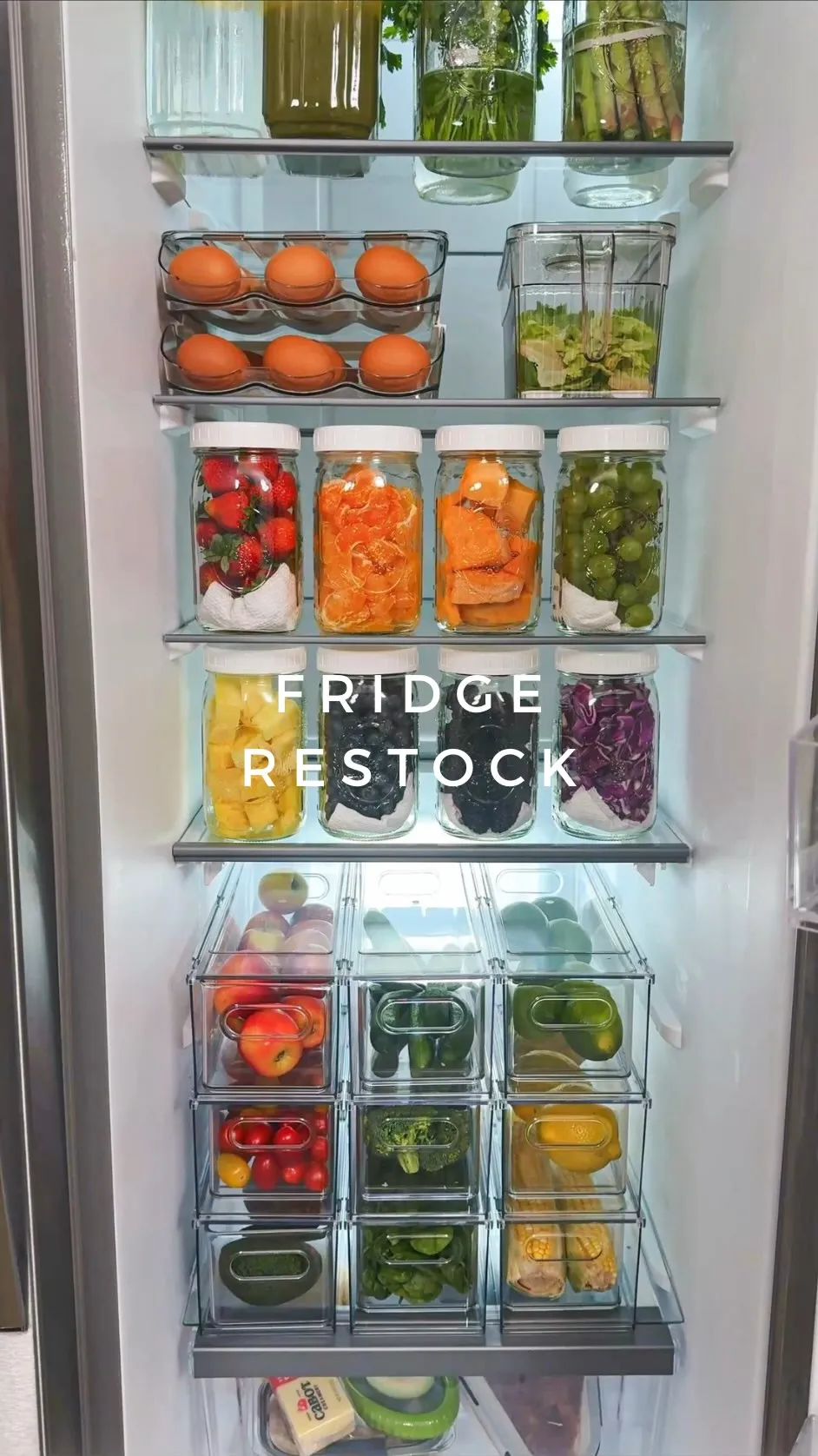
Image Credit: Instagram (@glenxda) (https://socialpruf.com/instagram/glenxda)
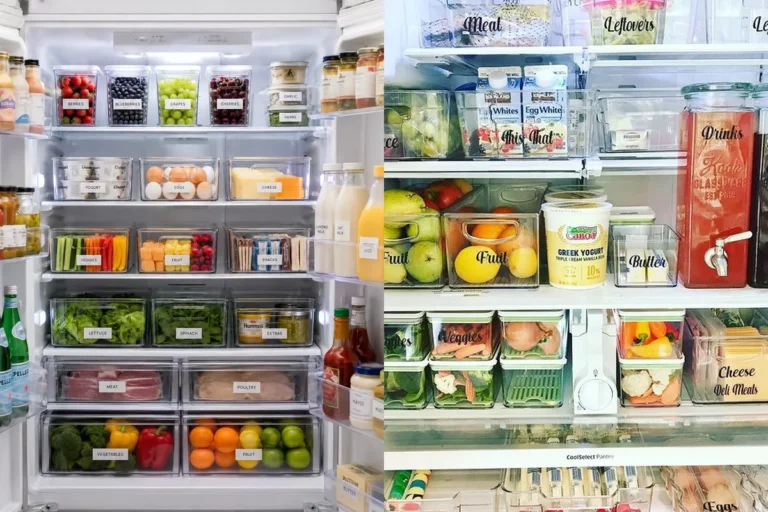
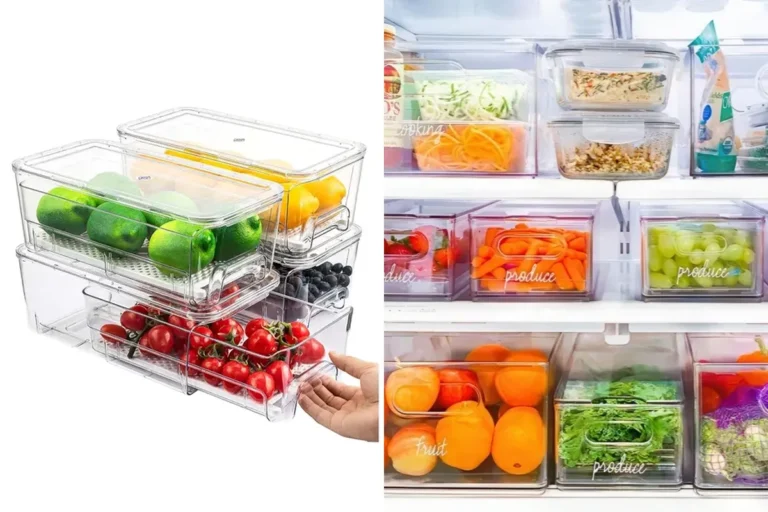
Clear stackable bins turn one fridge shelf into two or three levels, so loose food stops wasting the tall air space above it and nothing hides at the back. Yogurt tubs, cheese blocks and snack packs each get a bin of their own.
Measure your shelf depth before buying, then choose bins a finger narrower than the shelf so they slide out without catching. Two medium bins hold more usable food than one wide bin, because smaller bins come out without unloading everything in front. Start with two.
Shelf Riser Double Layer
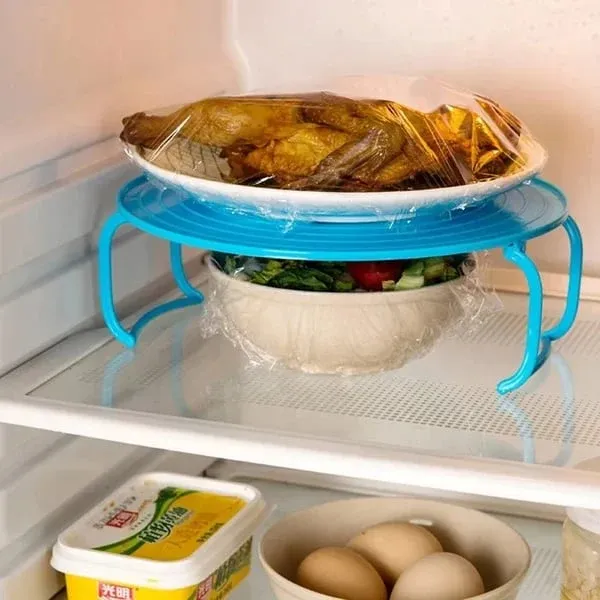
Image Credit: Helsinki Tag (https://helsinkitag.com/products/random-color98)
- Pick a riser with legs at least five inches tall, so jars and tubs fit underneath.
- Set tall items behind the riser and short items under it, never the other way round.
- Keep the riser on the shelf you open most, usually the middle one.
- Choose a flat top surface, not a wire grid, so small pots stand steady.
- Leave one inch of air at the back for cold air to move.
A shelf riser doubles one stretch of short shelf, giving dips, berries and cheese a second floor above cans and tubs and claiming the vertical room that usually goes to waste. The fridge holds the same groceries, yet everything sits in view, so weekday cooking stops turning into a dig and rescue mission.
Lazy Susan Turntable
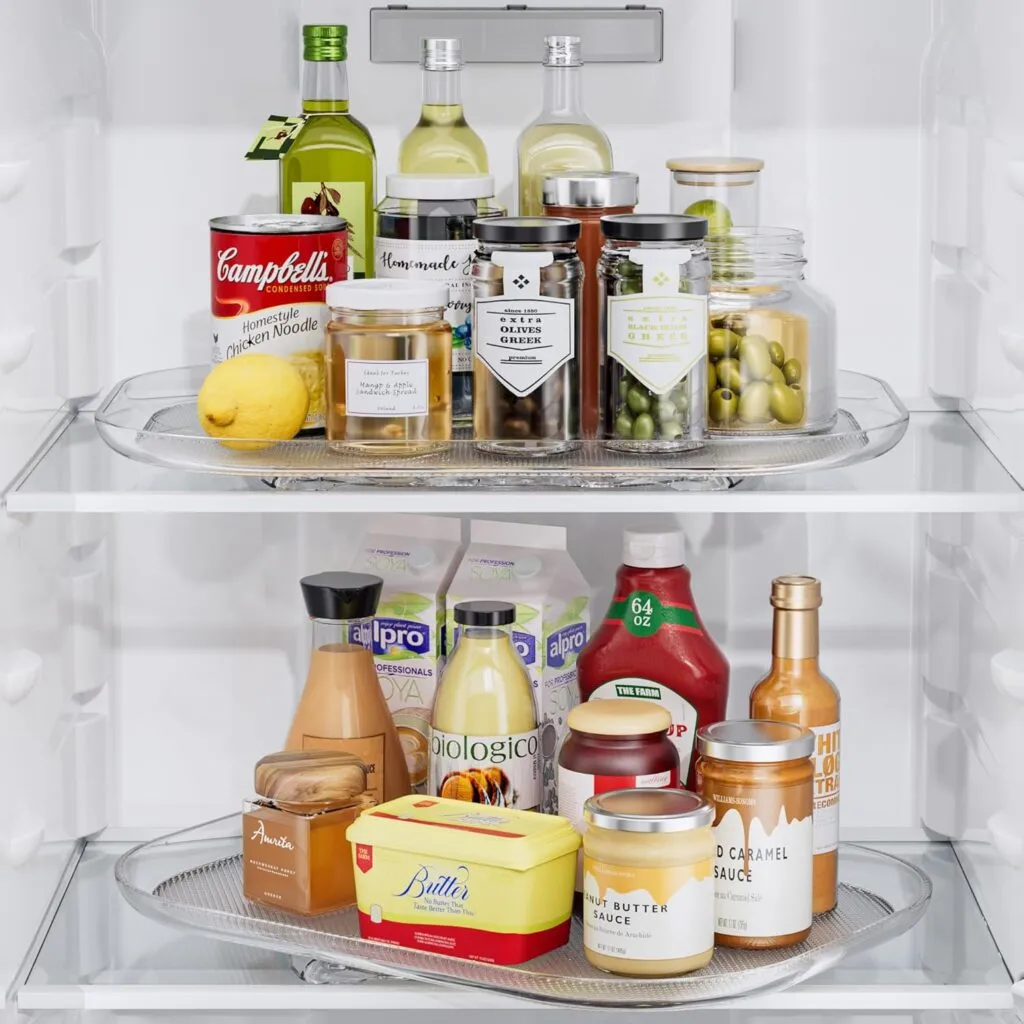
Image Credit: She Explains (https://www.sheexplains.com/fridge-organization-ideas/)
Quick Tip:
Choose a turntable with a small lip around the edge and a diameter at least two inches narrower than your shelf depth. Jars stay on board during a spin, and the tray lifts out in one hand when the shelf needs a wipe.
A lazy susan turntable brings every jar within one spin of reach, so back corner sauces get used before their dates instead of being forgotten. One slow spin replaces the reach, shuffle and knock over routine that shrinks a small fridge further.
Door Bin Condiment Rows
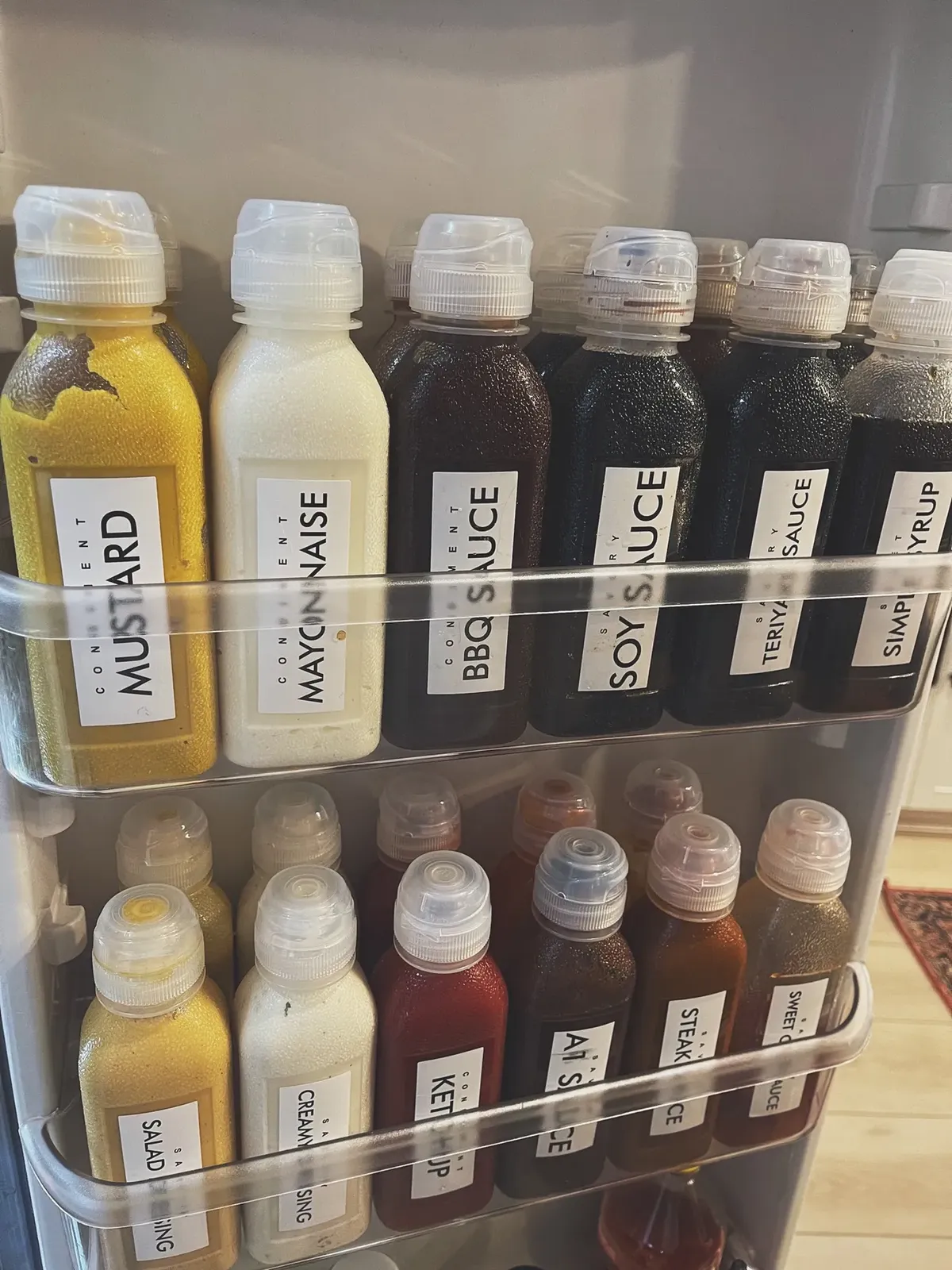
Image Credit: LikeToKnowIt (https://product-images-cdn.liketoknow.it/wljCNZHXD65gUiUCdwRVMEn7D9e8vqpYAW.6uW3OXf0zbjHLYTinsJjGYP5u7Iy1zKJYuL5FwfSg.LzIsXM3DcwcXZZyr0ipO2sjDcupslWLlLzJQPlsLOma9vpucMH.aAGD5PV1vtfgqSFtHnZ_QDVy5cYFeixJB2mSIv1z2mDAJwEstJEwBvHPAcc-?v=0&auto=format&fm=webp&w=450&q=80&dpr=3)
Before: Ketchup, mayo, two mustards and a mystery sauce shared one deep door bin, stacked two layers high. Every sandwich started with lifting bottles out and putting them back.
After: Each bin now holds one row of similar bottles, tallest at the back, labels facing out. Sauces come out in the order they are grabbed, and nothing balances on anything else.
Sorting door bin condiments into single rows, tallest at the back, repays ten minutes better than any shelf, because the door is the most opened storage in the whole fridge. Grouping by use, sandwich sauces together, cooking sauces together, stops the daily shuffle and frees the front row for the bottles the family reaches for twice a day.
Under Shelf Hanging Basket
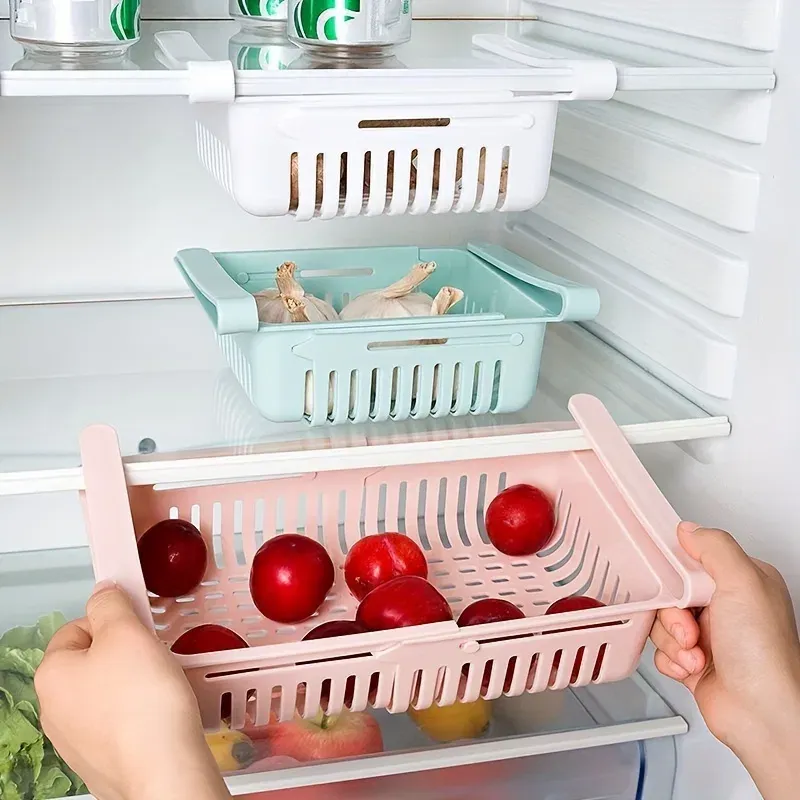
Image Credit: Darun (https://darun.com.bd/_next/image?url=https%3A%2F%2Fcdn.darun.com.bd%2Fproducts%2Fcr5f8c9c.webp&w=640&q=75)
- Slide the basket arms onto the shelf above and check they grip without wobbling.
- Load light, flat items first: cheese slices, deli meat packs, tortillas, herb bunches.
- Keep the basket at the front half of the shelf so the door still closes cleanly.
- Wipe the shelf edge weekly, since crumbs gather where the arms clamp on.
Dead air hangs under every fridge shelf, and a hanging basket claims it for the flat foods that usually get buried. The shelf above still works as normal, while the basket adds a bonus layer that pulls toward you. Flat packs stop sliding under heavier items, and lunch making gets noticeably faster.
More Info : 25 Smart Kitchen Organization Ideas That Save Space
Soda Can Dispenser Roll
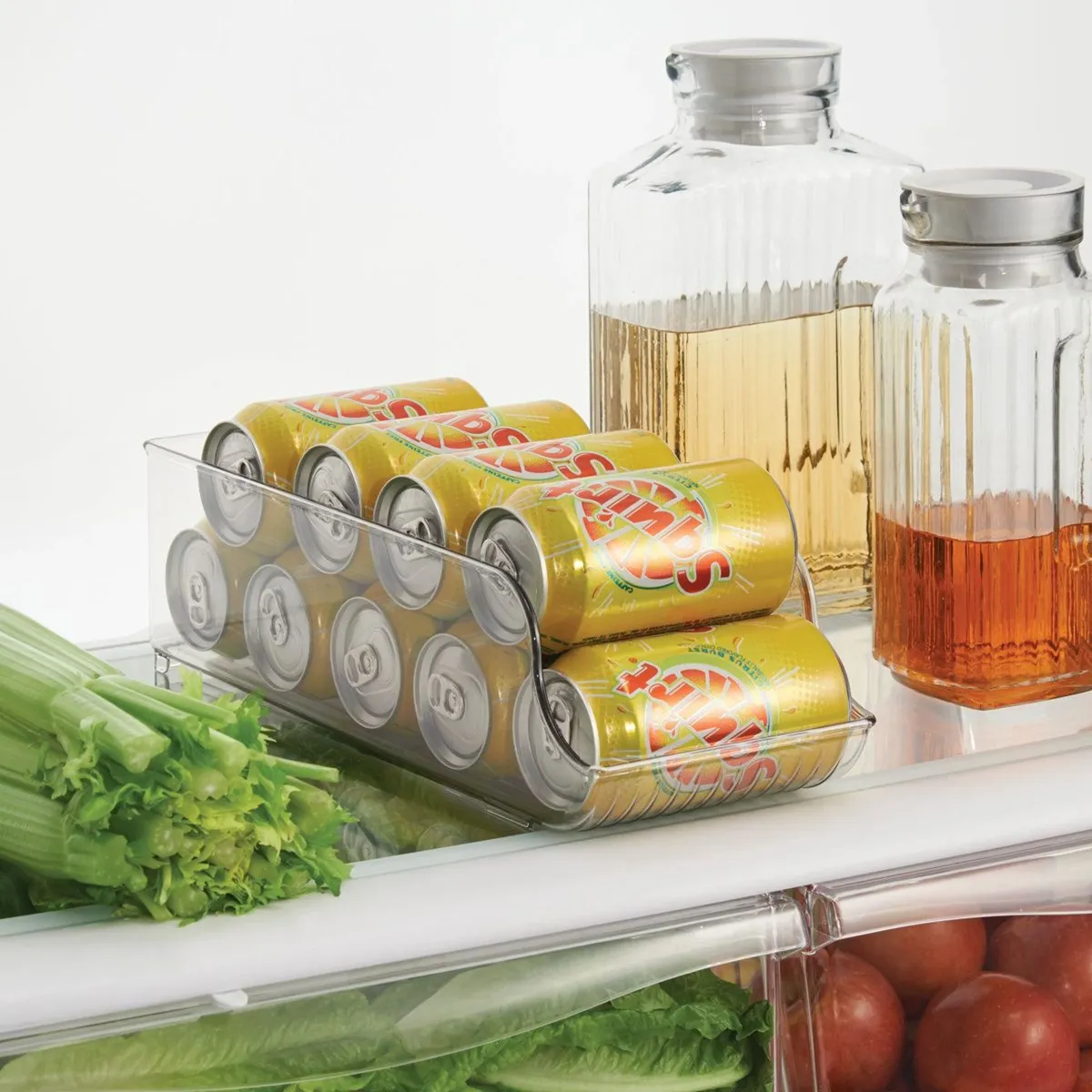
Image Credit: Inspire Uplift (https://www.inspireuplift.com/clear-refrigerator-storage-organizer-and-soda-can-holder-bpa-free/iu/21960388)
Do:
- Load cans from the top so the oldest can rolls to the front first.
- Give drinks their own shelf corner instead of scattering cans between foods.
- Count the dispenser width against your shelf before ordering.
Don’t:
- Mix cans and glass bottles in one track, since bottles jam the roll.
- Overfill past the top rail, because the last cans stop rolling.
- Place it in the coldest back corner if your drinks freeze easily.
A rolling soda can dispenser lines twelve loose cans up in one narrow track, roughly the width of two cans, and hands you the coldest can at the front every time. Shelf space comes back for food, where it belongs.
Egg Tray Stackable Holder
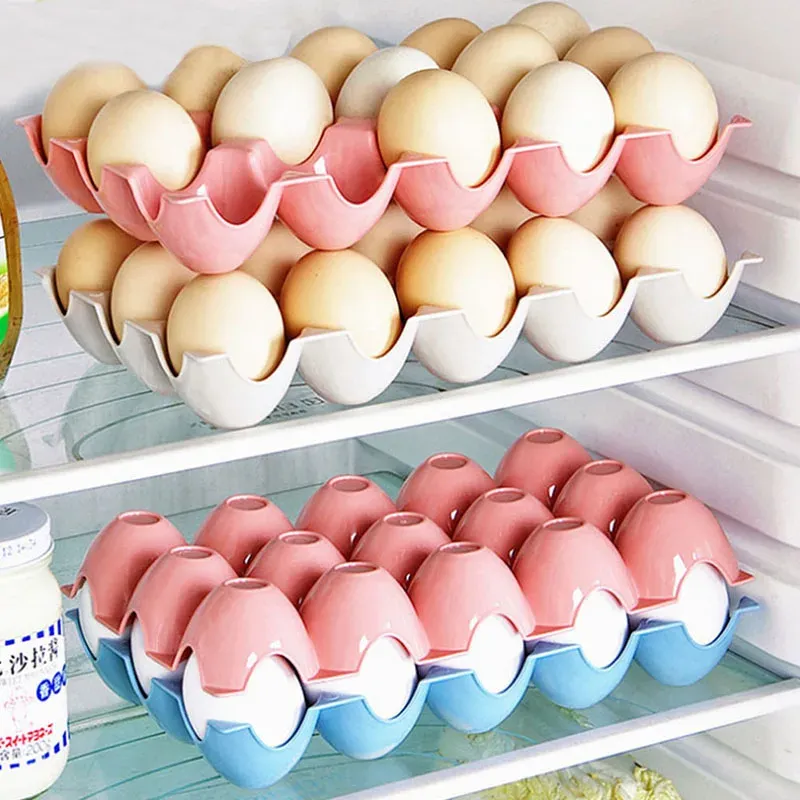
Image Credit: Lazon (https://lazon.ru/p/33046100827)
Cost: Low, most two tier holders cost less than a large pizza
Time: Five minutes to load and stack
Space Saved: One full carton footprint on the shelf
Best For: Homes that buy eggs two dozen at a time
A slim two tier egg tray keeps two dozen eggs in the footprint of one wide, floppy carton, and the hard lid lets light items rest on top. Eggs stop migrating around the shelf, and the count left is visible at a glance.
Clip Hangers For Bags
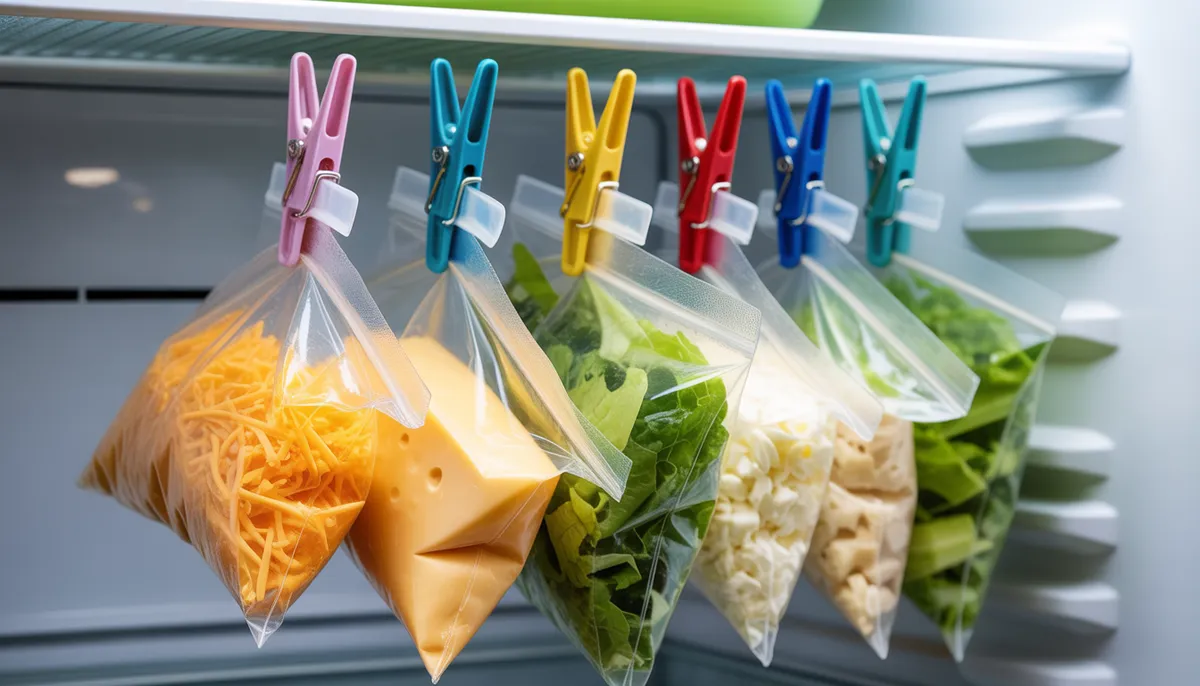
Image Credit: Bum Interactif (https://admin.buminteractif.com/diaporamas/how-to-reorganize-your-fridge-15-beautiful-and-practical-ideas/)
Clip hangers grip the folded top of half used bags and hang them from a shelf edge or a slim rod, so a row of six cheese and salad bags stands upright instead of slumping into corners and spilling.
Hanging bags also thaw more evenly than bags buried in a heap, and the printed labels face forward for quick scanning. Clip each bag right after use and the row stays neat with almost no effort. Small bags stop disappearing, and less food gets thrown away.
Produce Saver Drawer Liners
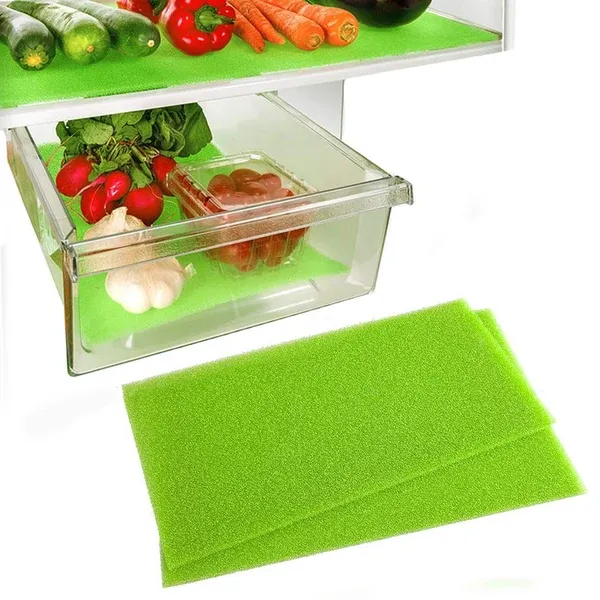
Image Credit: BuyCura (https://buycura.co/products/dualplex%C2%AE-fruit-veggie-life-extender-liner-for-fridge-refrigerator-shelves-15-x-24-inches-2-pack-extends-the-life-of-your-produce-prevents-spoilage-1)
- Line the crisper floor with a washable foam or mesh liner cut to size.
- Keep the liner dry under leafy greens, since trapped moisture speeds up rot.
- Swap or rinse the liner every two weeks with the regular fridge wipe down.
- Use one liner per drawer, so fruit and vegetables stay in separate zones.
- Replace worn liners once they stay flat and stop cushioning.
A washable produce saver liner cushions peppers and cucumbers, lifts them off the cold, damp crisper floor and lets air move underneath, so greens stay crisp days longer. Greens stay crisp days longer, and the drawer wipes clean in seconds instead of needing a scrub at the corners.
Magnetic Side Spice Tins
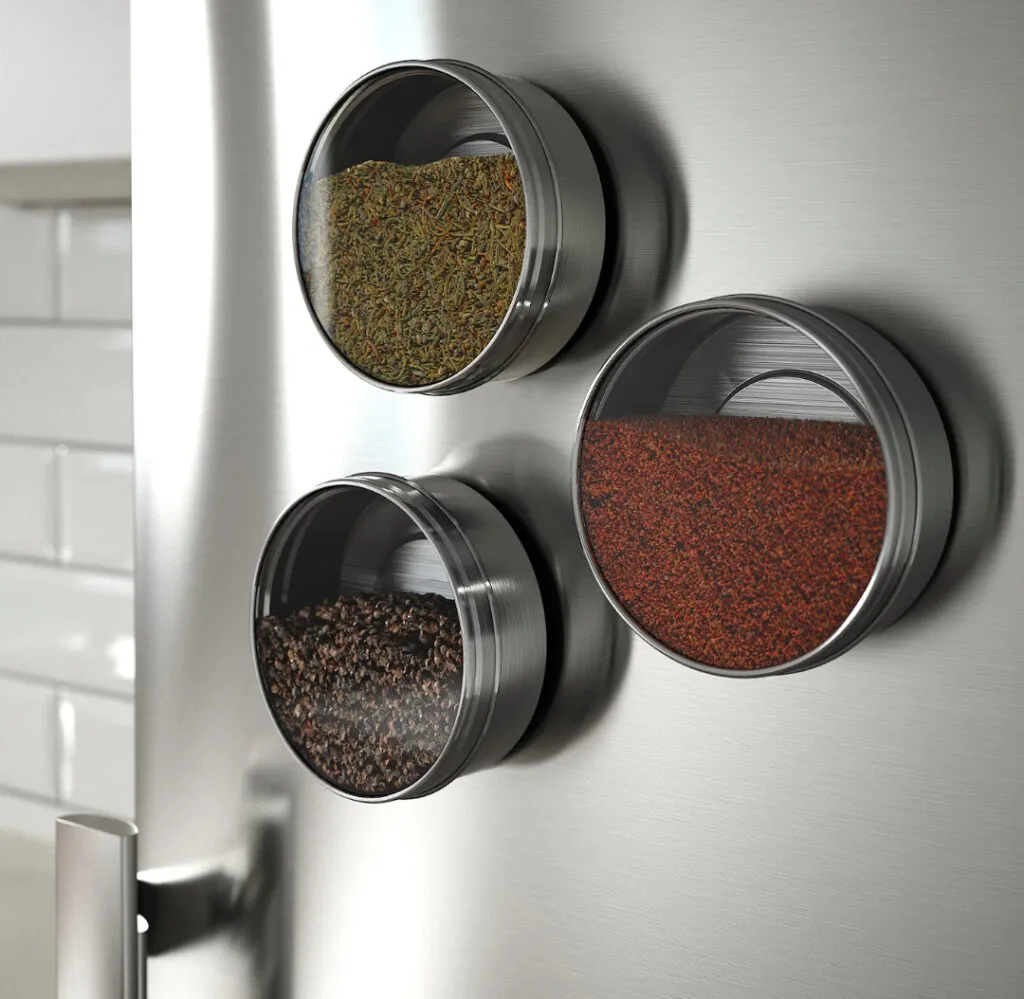
Image Credit: Bari Ikitai (https://bari-ikitai.com/author/ussysan/page/84/)
Quick Tip:
Stick each tin on the side of the fridge at eye level and write the spice name on the lid with a chalk marker. The set you reach for nightly stays visible, and a quick glance shows which tin runs low before cooking starts.
Magnetic spice tins turn the flat side of the fridge into a spice rack, claiming wall space that counter jars and cabinet shelves argue over in a small kitchen. The flat side of the fridge is free wall space that most homes ignore. Magnetic tins need zero drilling, freeing a cabinet shelf for food while keeping a dozen everyday spices one reach from the stove.
Square Leftover Containers
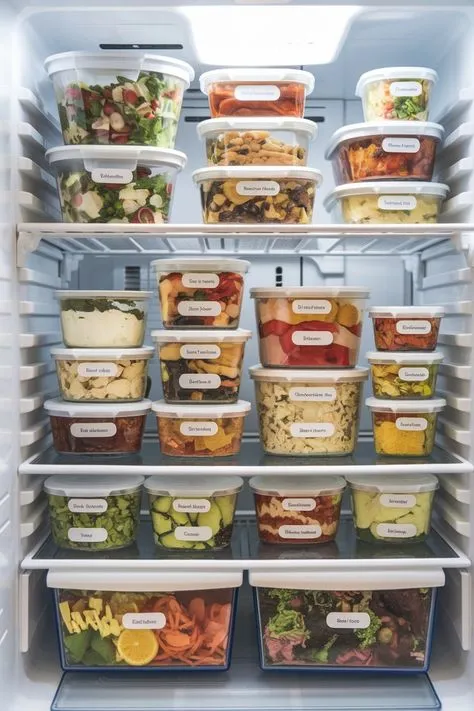
Image Credit: Pinterest (https://www.pinvibe.com/media/64176363433117165)
Before: Round tubs of soup, rice and pasta sauce filled the middle shelf, each one wasting the corners around it. Lids never matched, so two tubs travelled without covers.
After: Square containers of two sizes now line up edge to edge like bricks, three high, lids snapped underneath each base. The same shelf holds almost double the leftovers.
Square leftover containers pack edge to edge with no dead corners, which is exactly what a tight fridge needs, since round tubs waste the corners around them. Squares stack flat, pack tight and read like a tidy wall of meals. Matching lids end the cover hunt, and a full shelf of leftovers finally looks planned instead of piled.
Pull Out Fridge Drawer
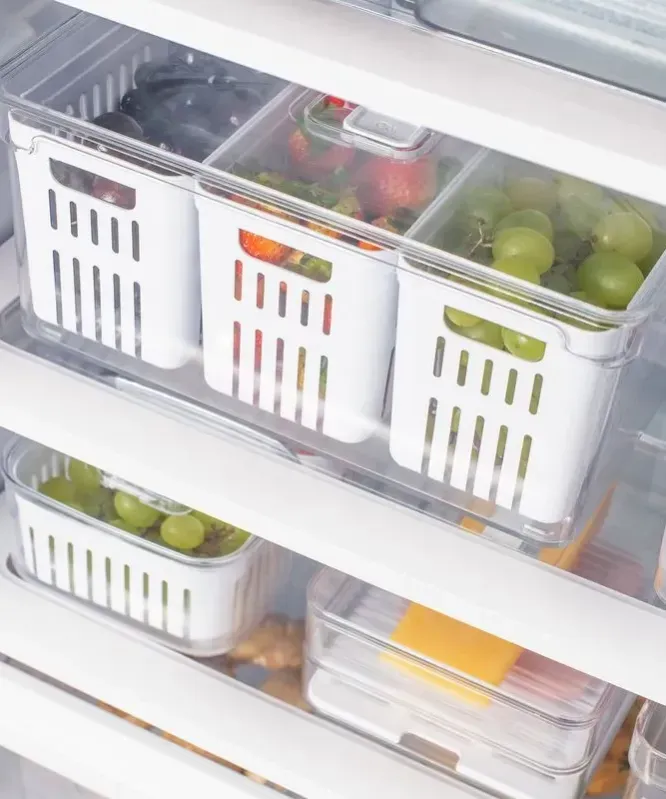
Image Credit: i0.wp.com (https://i0.wp.com/depex.com.uy/wp-content/uploads/2024/08/164246-800-auto.webp?zoom=3&resize=247%2C296&ssl=1)
- Measure the gap under the shelf you use least, usually the top one.
- Clip or slide the drawer frame onto that shelf and test the glide empty.
- Fill it with small, light items: butter, cheese sticks, snack bars, herb tubes.
- Pull by the front handle only, so the frame stays level and calm.
A pull out fridge drawer hangs in the four to six inches of unused space under a shelf and slides small items forward into view, instead of hiding them in the shelf shadow. Small foods get eaten on time far more often once they live in a drawer everyone can see into.
More Content : Fridge Organization Aesthetic Ideas for a Neater Look
Breakfast Zone Shelf
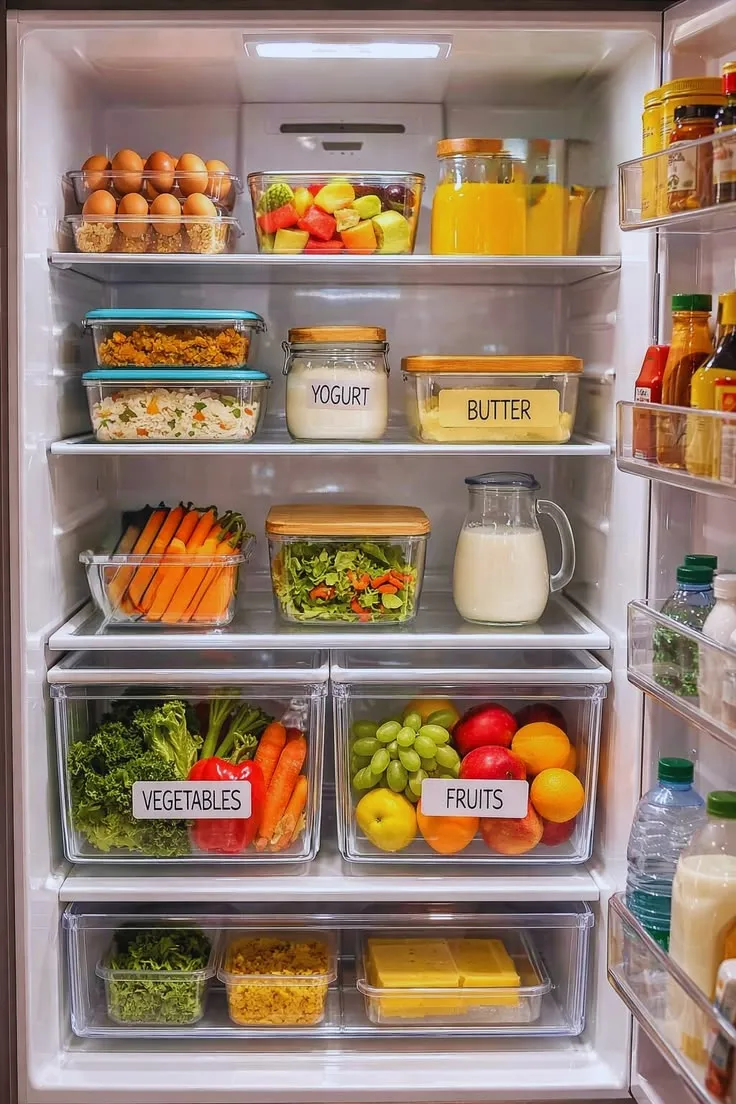
Image Credit: Pinterest (https://www.pinterest.com/pin/2885187256451688)
Do:
- Keep milk, eggs, butter, jam and juice on one shelf near the front.
- Put a small bin on that shelf for cheese slices and yogurt tubes.
- Restock the zone every Sunday so weekday mornings run on routine.
Don’t:
- Let dinner ingredients creep into the breakfast shelf during the week.
- Store tall cereal boxes there, since the fridge door needs that height.
- Hide the coffee cream behind dinner leftovers at the back.
A breakfast zone shelf keeps milk, eggs, butter and jam in one front place, so nobody moves six items to find the butter and the door stays open for seconds, not minutes. Cold air stays in, food stays fresh longer, and the shelf shows at a glance what the grocery list needs.
Slim Herb Keeper Jar
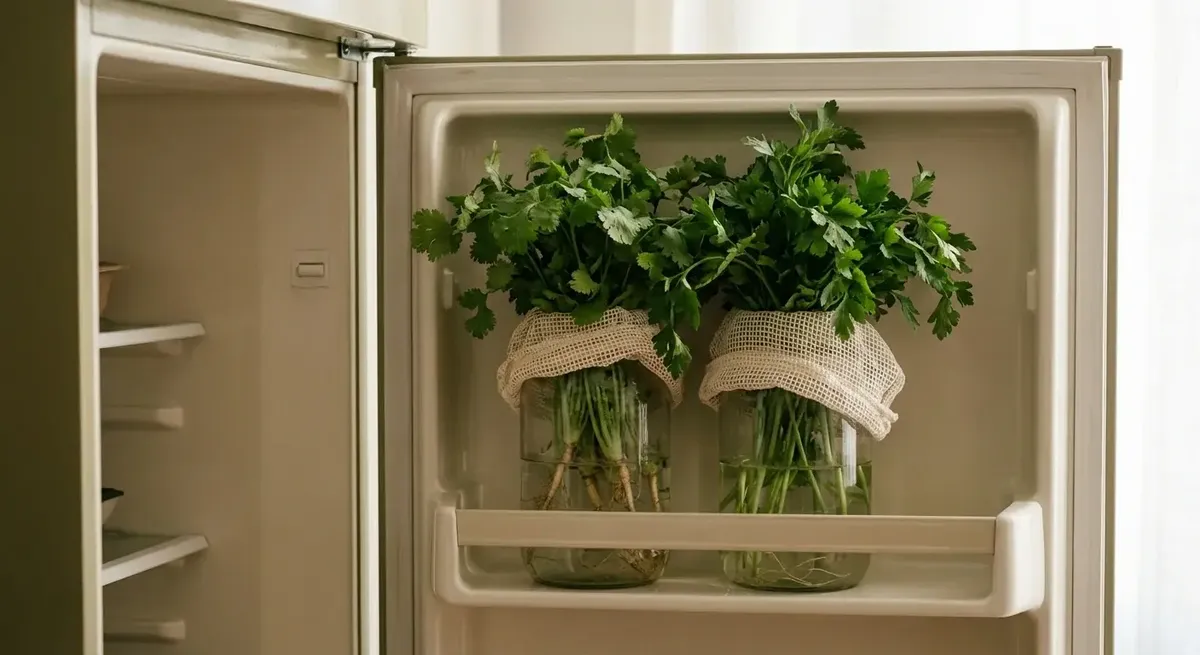
Image Credit: Blyzr (https://shop.blyzr.com/guides/how-to-store-fresh-herbs-so-they-stay-fresh-longer)
Cost: Zero if you reuse a jam jar and add water
Time: Two minutes of trimming when you unpack groceries
Keeps Fresh: Parsley, cilantro and mint for up to two weeks
Best For: Small households that cook with fresh herbs nightly
A slim herb keeper jar stands fresh herbs in water like a tiny bouquet, so stems drink and leaves stay perky for days instead of dying crushed and dry in their shop bags. The jar takes the width of one mug on the door or a back corner, a fair trade for herbs that survive the week.
Flat Freezer Bag Stacks
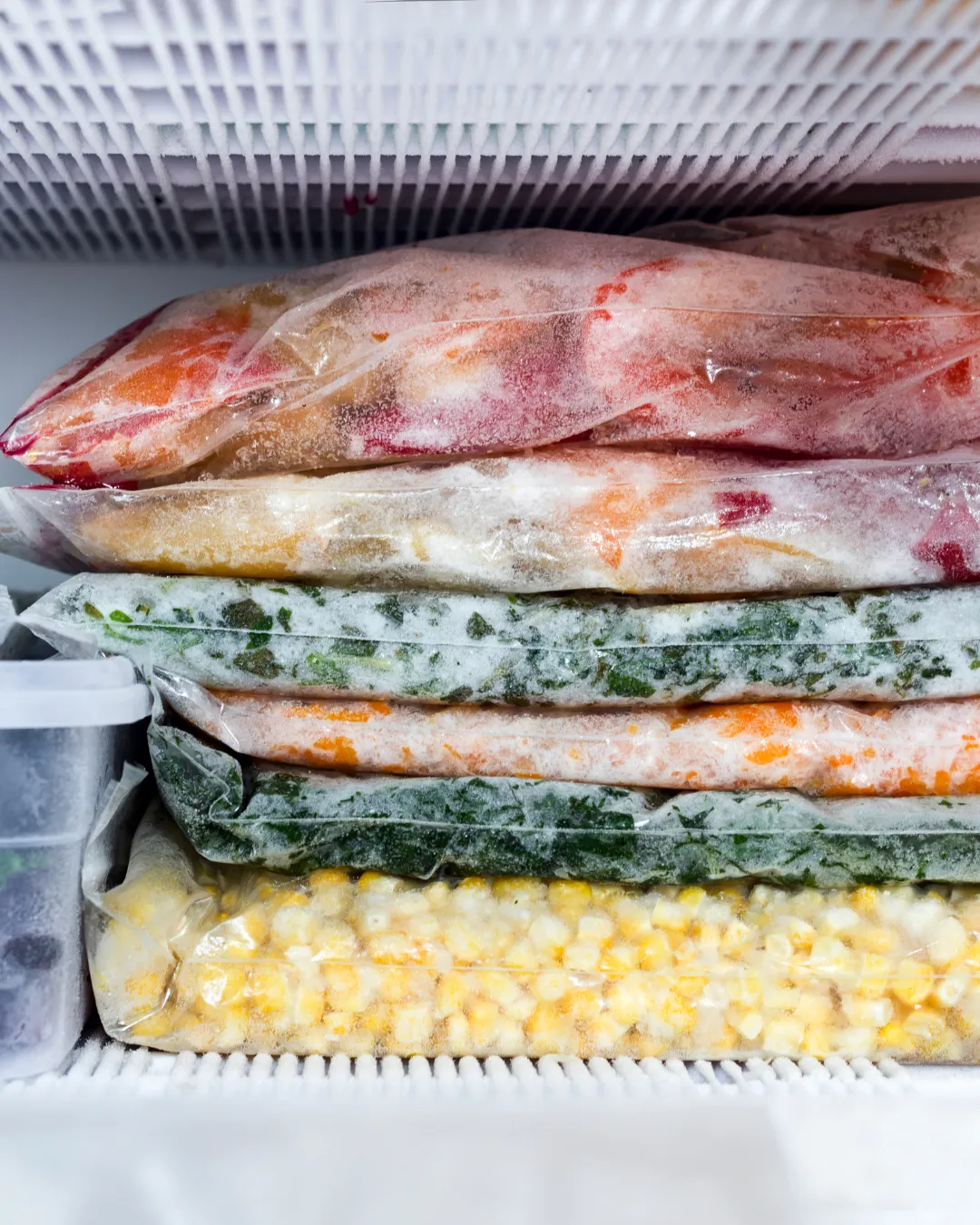
Image Credit: Emailsp (https://a5h8f8.emailsp.com/frontend/nl_preview_window.aspx?idNL=79)
Soup, stock and marinades take a fraction of the room of tubs when frozen flat in zip bags, stacked like tiles. Once solid, the bags stack in a neat pile or stand in a row like files, taking a fraction of the room that tubs and boxes demand.
Flat bags also thaw in minutes under warm water, which suits weeknight cooking far better than a frozen brick. Label each bag before filling, freeze on a tray until firm, then stack. One shelf holds two weeks of dinners this way.
Removable Condiment Caddy
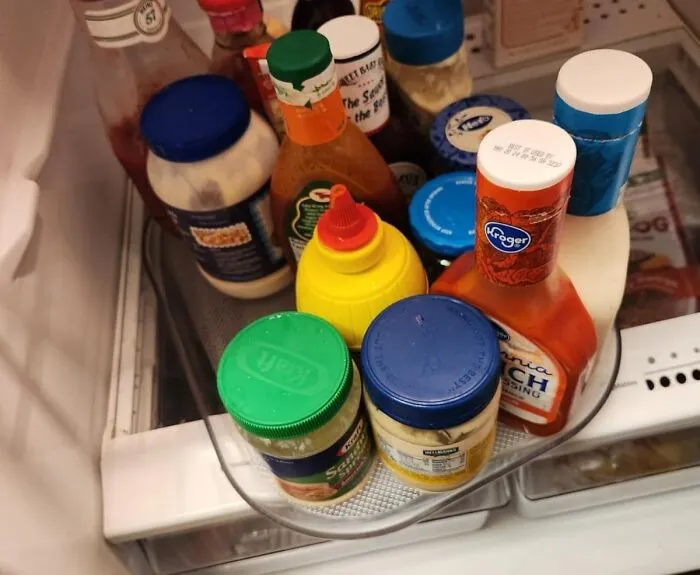
Image Credit: Bored Panda (https://www.boredpanda.com/tik-tok-made-me-buy-it/)
- Choose a caddy with a handle and a base no wider than your door bins.
- Load it with the sauces your table uses nightly: hot sauce, ketchup, mayo, pickles.
- Carry it to the table at dinner and back to the fridge after, in one trip.
- Wash the base weekly, since sauce rings collect fast at the bottom.
- Keep a second small caddy for marinades if your cooking uses them often.
A removable condiment caddy moves the whole sauce set between fridge and table in a single carry, ending bottle by bottle trips and the door left hanging open. The corner stays cleaner too, because drips land in the caddy, not on the shelf.
Crisper Drawer Dividers
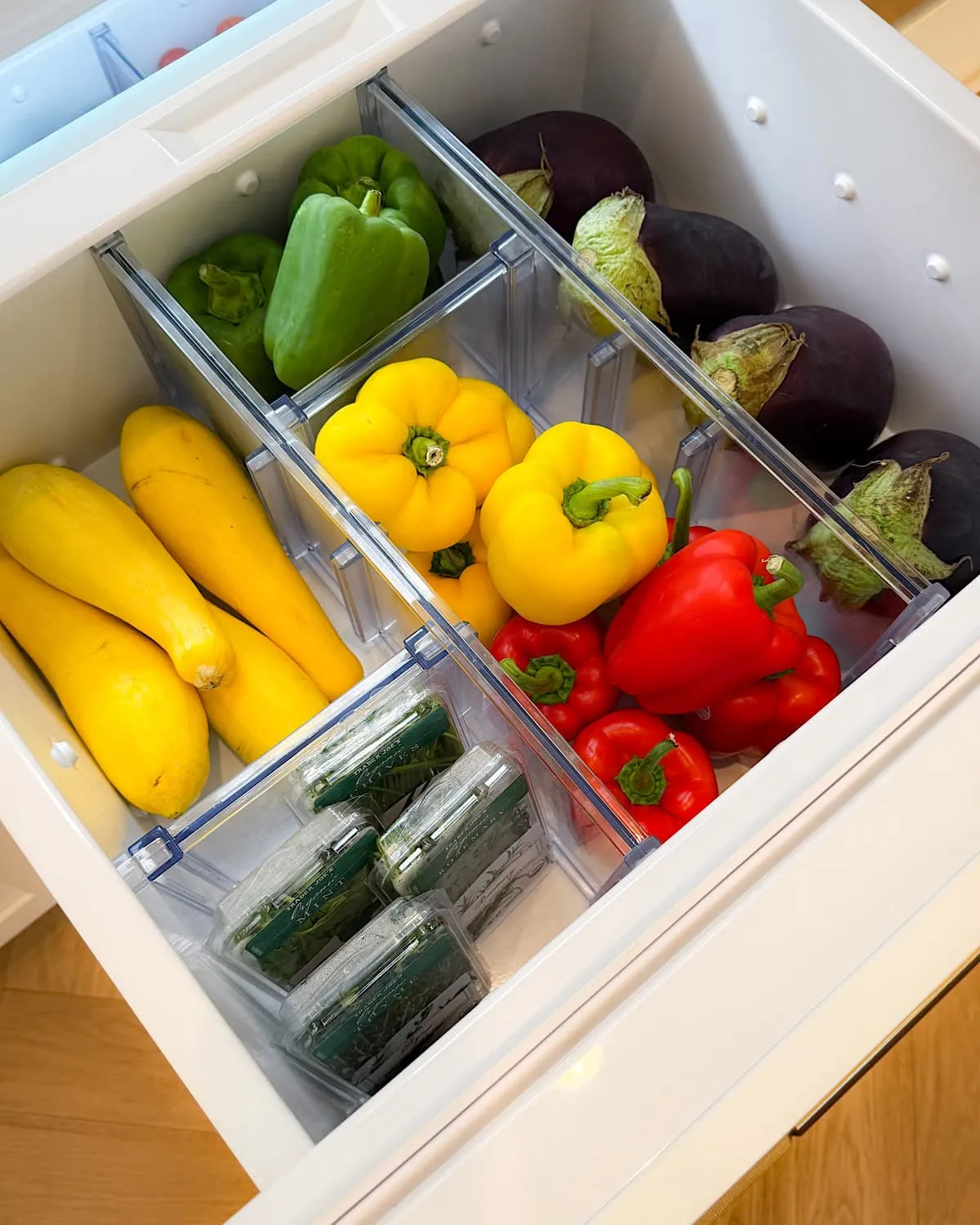
Image Credit: RBITALIA Blog (https://rbitaliablog.com/timeless-kitchen-design/)
Quick Tip:
Set dividers after your next shop, not before. Watch where your regular vegetables naturally land for one week, then fix the sections to match those habits. A layout built on real shopping lasts far longer than a guessed one.
Slim crisper dividers split one wide drawer into lanes, so heavy peppers and carrots stop crushing soft greens and each vegetable keeps its own patch. The drawer opens to a clear picture of what is fresh, what is waiting and what needs cooking tonight.
Tall Bottle Back Row
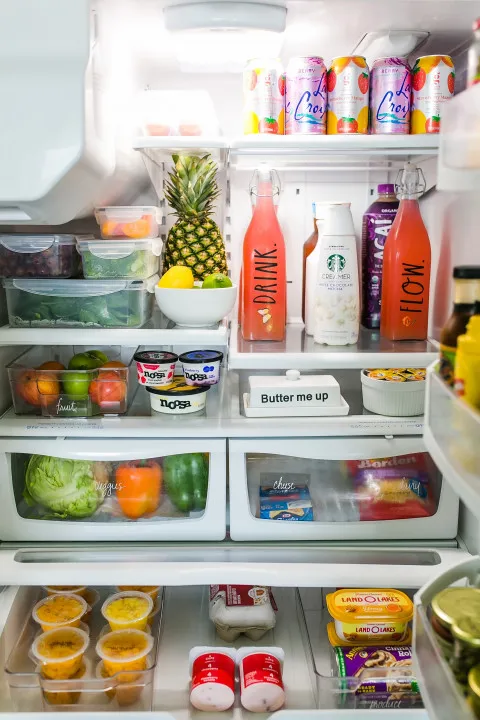
Image Credit: Find My Organizer (https://www.findmyorganizer.com/profile.b.507.r.63316.u.6d0cf8.html)
Before: Milk, juice and sauce bottles stood wherever they landed, tall ones in front hiding short jars. Finding the cream meant moving four bottles and reading labels by touch.
After: All tall bottles now stand in one back row, tallest in the middle, like a skyline. Short jars own the front, fully visible, and the cream sits in its usual spot.
Lining tall bottles in one back row, tallest in the middle, keeps every short jar in front visible at a glance, and it costs nothing. A back row for tall bottles turns the shelf into steps, where each row can be seen over the one in front. Nothing hides, nothing topples, and the weekly shop slots into place in seconds.
Masking Tape Date Labels
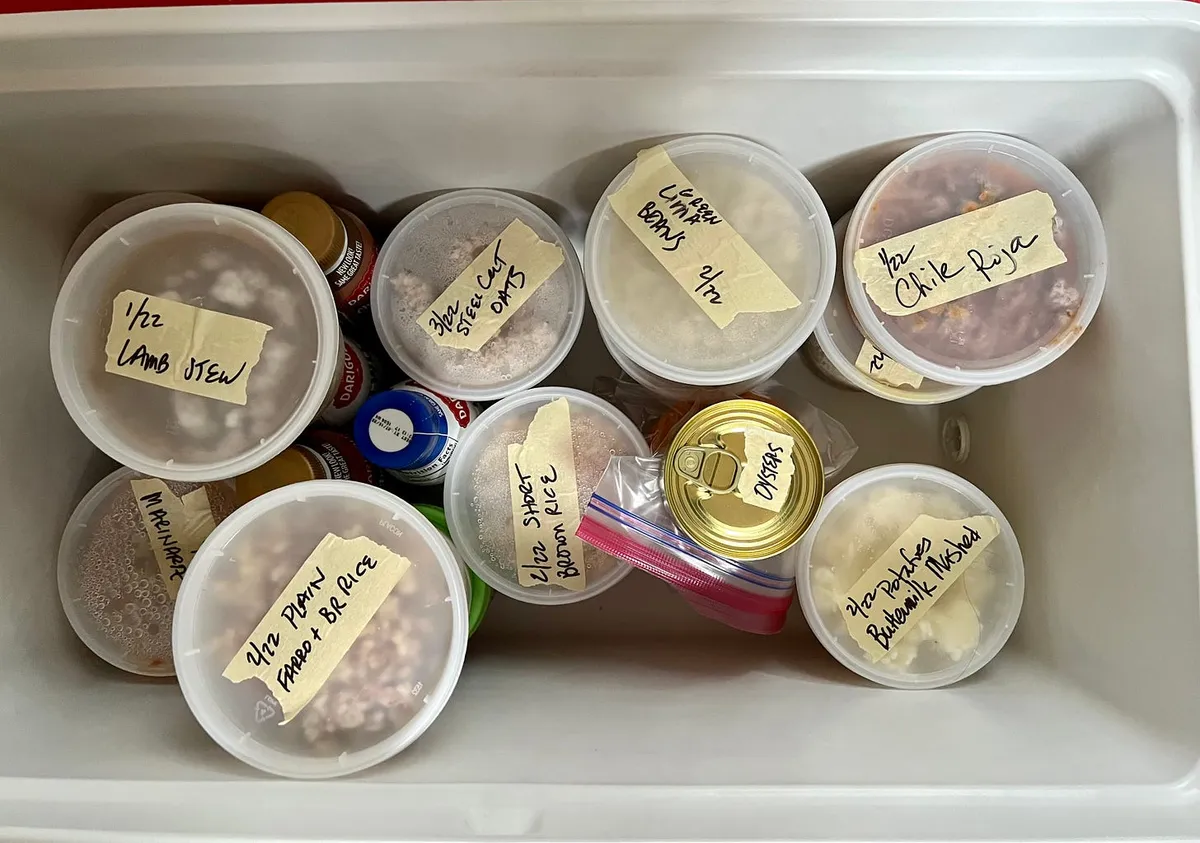
Image Credit: Substack (https://substackcdn.com/image/fetch/w_1456,c_limit,f_auto,q_auto:good,fl_progressive:steep/https%3A%2F%2Fbucketeer-e05bbc84-baa3-437e-9518-adb32be77984.s3.amazonaws.com%2Fpublic%2Fimages%2F1bfb1240-73a5-4932-a3fa-07f7e718b0dc_4030x2832.jpeg)
- Tear a strip of masking tape and press it on the container lid or front.
- Write the dish name and the day it went in, in marker, big and clear.
- Stick to one spot for labels, top front, so scanning takes seconds.
- Pull the tape off at washing time; it leaves no sticky mess behind.
Masking tape date labels, marked with the dish name and the day it went in, stop leftovers failing quietly because nobody remembers when they were cooked. A tape label answers at a glance and stops the sniff test tradition. In a shared fridge, labels also protect your lunch from hungry housemates, which might be their most valuable job. Most cooked leftovers keep three to four days, so old food leaves on time and the shelf stays honest.
Freezer Bin Basket System
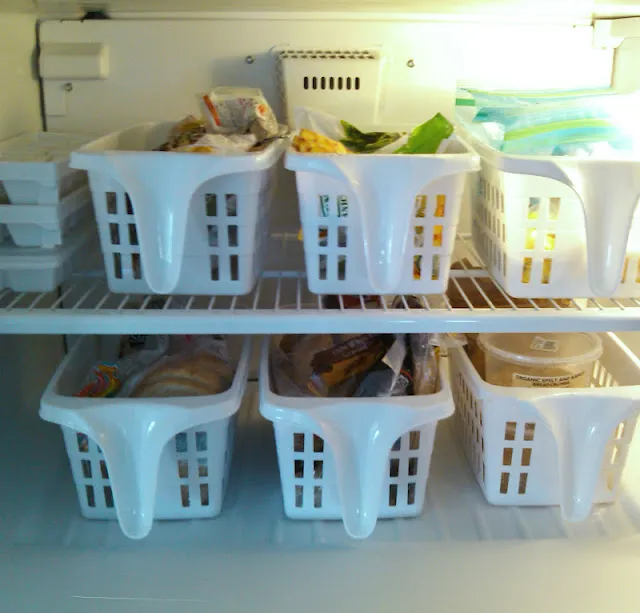
Image Credit: Woman in Real Life (https://www.womaninreallife.com/2012/09/insta-friday-in-real-life-casino-fun.html)
Do:
- Give each bin one job: meats, vegetables, breads, ready meals.
- Pick open front bins so food slides out without lifting the bin.
- Label the front of every bin, even if you think you will remember.
Don’t:
- Stack loose bags directly on the freezer floor, since they freeze into one lump.
- Fill bins past the rim, because the door seal suffers for it.
- Mix raw meat with ready food in the same bin, ever.
Freezer bins sort a chest of loose bags into lift out baskets by category, so one bin comes out, gets scanned and goes back in seconds instead of an ice dig at dinner time. Frostbite on fingers drops, food waste drops with it, and the freezer somehow fits more than it did loose.
Kid Snack Reach Bin
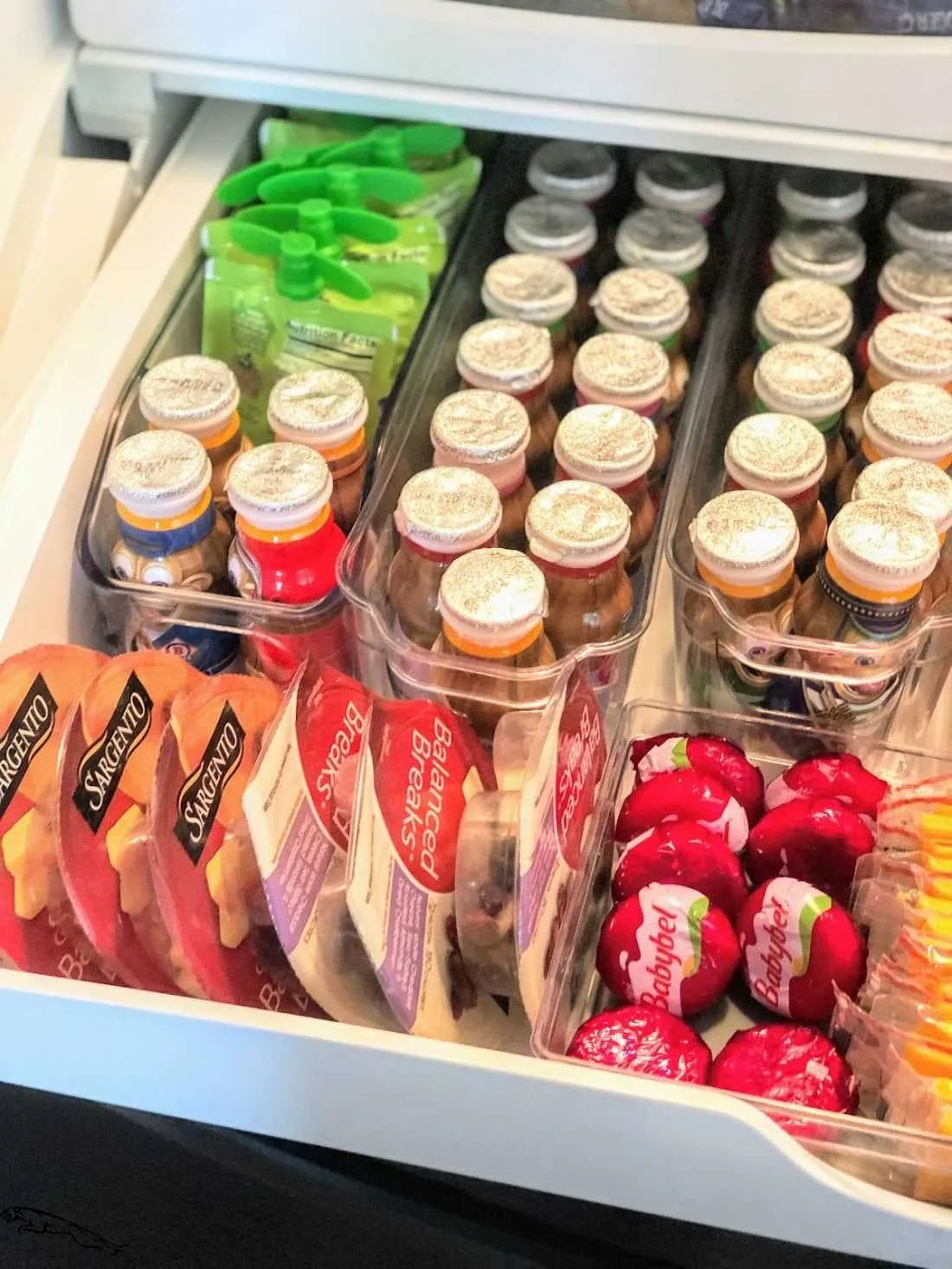
Image Credit: Pinterest (https://temp.usja.net/drawing/refrigerator-with-snack-drawer.html)
Cost: Low, one small open bin from any home store
Time: Ten minutes to set up, one minute weekly to refill
Placed: Lowest door bin or the bottom shelf front
Best For: Children aged three to ten who snack independently
A kid snack bin at child height, stocked with cheese sticks, fruit cups and small yogurts, ends the wide open fridge browse that lets cold air pour out while kids search at adult waist height. They grab and go, the door closes fast, and the rest of the fridge stays in adult order.
Stretch Lids For Halves
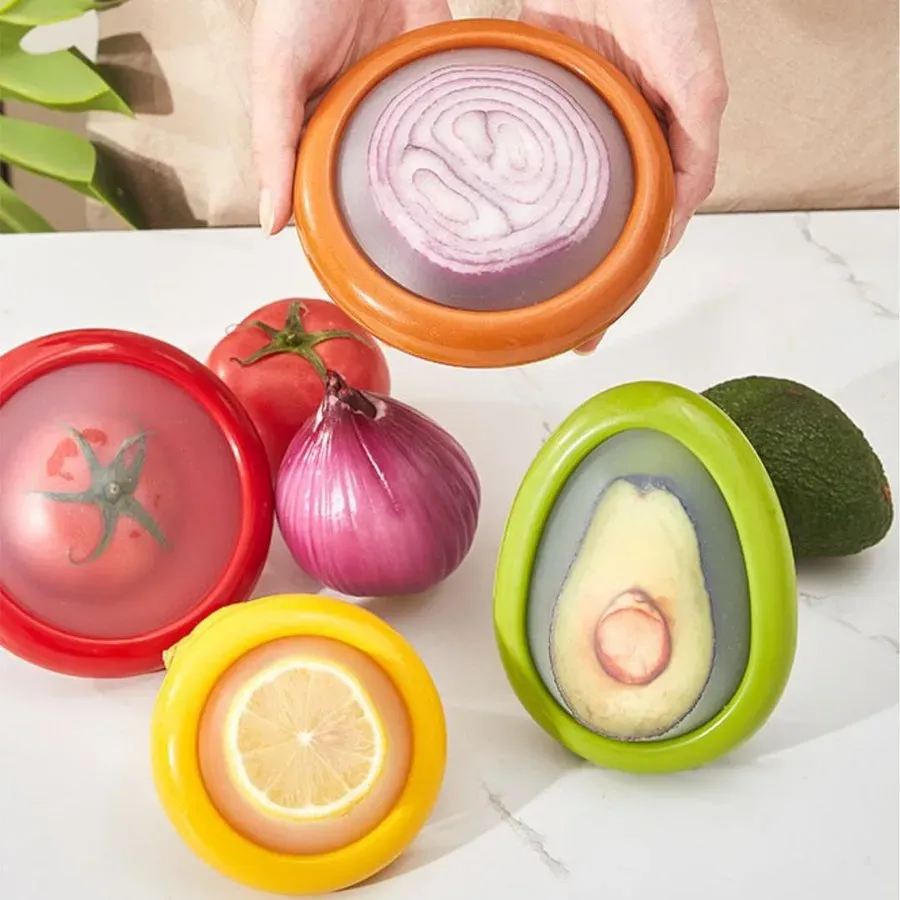
Image Credit: Affectiont (https://affectiont.com/products/reusable-refrigerator-storage-containers)
A set of six silicone stretch lids seals the halved onions, lemons and tomatoes that plastic wrap never seals well. They pull over the cut face and grip tight, so halves stay moist and stop scenting the whole fridge.
Stacked halves take half the room of boxed pieces, and the clear view shows what needs using first. Onion stops perfuming the butter, lemon stays juicy for the next recipe, and cling film use drops to near zero. Small savings, but they add up across a year of cooking.
Shelf Divider Clip Row
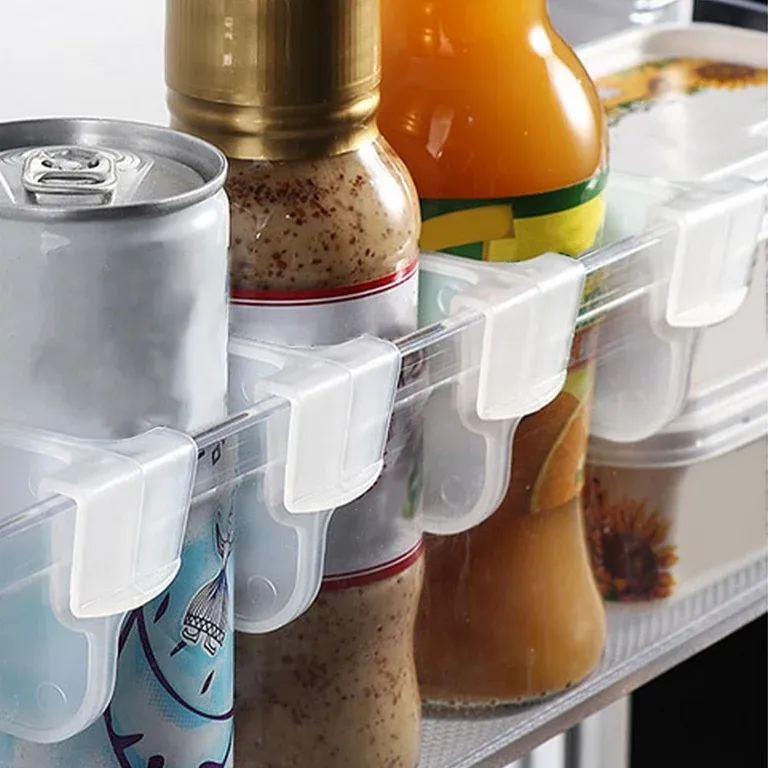
Image Credit: Rac.tj (https://rac.tj/Adjustable-Snap-on-Storage-3608032.html)
- Clip dividers along one shelf edge, spaced to match your usual bottles and jars.
- Stand cutting boards and flat trays in one section near the side wall.
- Use the row to split drinks from dairy, so each side stays in its lane.
- Push dividers fully home; a loose clip slides and dumps its section.
- Rework the spacing monthly as your shopping habits change.
Clip on shelf dividers act like bookends inside the fridge, holding the border between food groups so rows stay upright and categories stay apart. Bottles stop rolling into the cheese, and each section can be scanned in one look. It is a small frame that keeps the whole picture tidy.
Vacuum Sealed Flat Packs
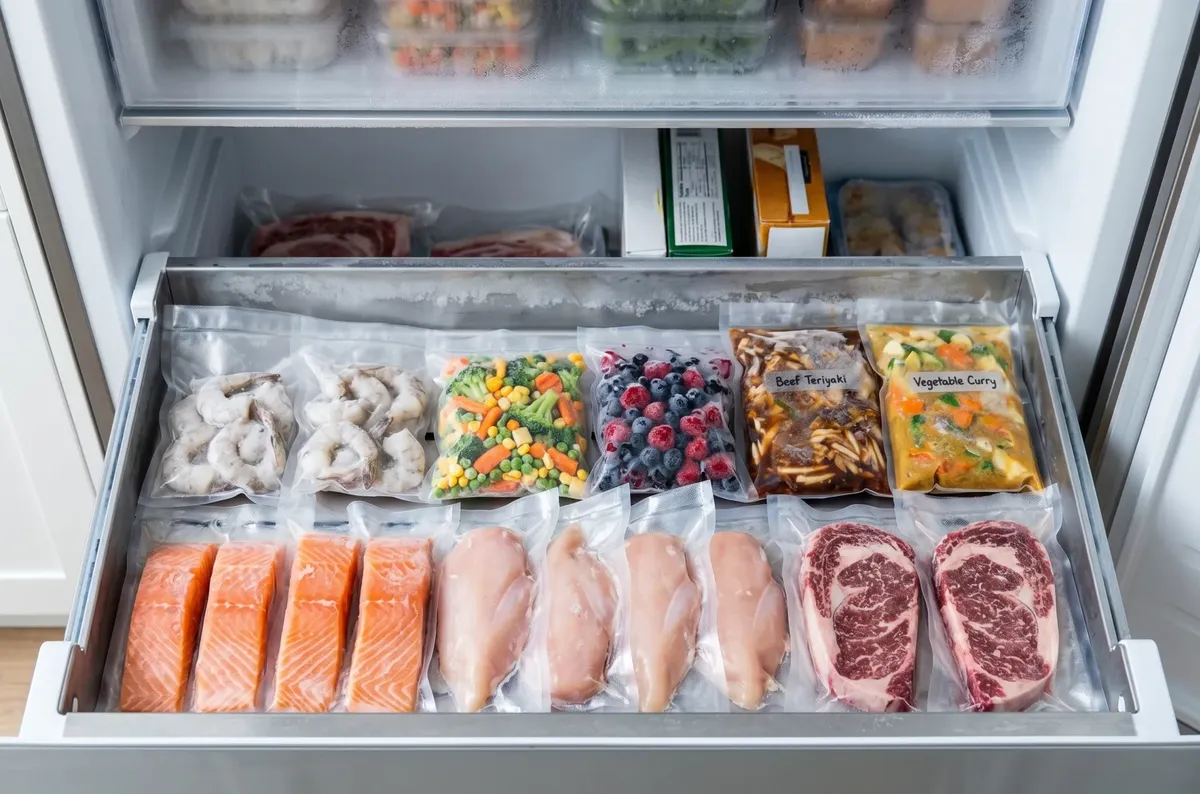
Image Credit: YLT Packing (https://yltpacking.com/products/biodegradable-stand-up-spout-pouch-milk-jelly-juice-packaging-bags/)
Quick Tip:
Freeze portions in the bag for one hour before sealing, or leave an inch of headspace for liquids. The seal stays clean and tight, and the finished pack lies flat as a book, ready to file upright in a freezer bin.
Vacuum sealing removes the air that puffs freezer bags into pillows, leaving flat, dated packs that stack or file with almost no wasted space. Portions come out one meal at a time, so a family pack stops thawing as one giant block.
Stacking Bottle Mat Rack
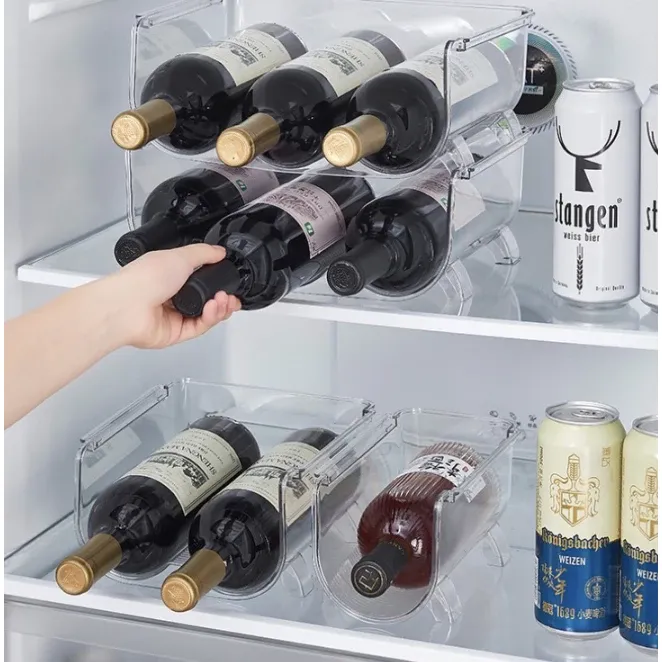
Image Credit: Shopee Thailand (https://shopee.co.th/universal-link/product/340299574/23436078349?utm_source=an_15315540145&utm_medium=affiliates&utm_campaign=-&utm_content=rs&v4=1&utm_term=fb6s2tpzvkt7&mmp_pid=an_15315540145)
Before: Wine and soda bottles lay on their sides on a shelf, rolling apart whenever the door shut. One bottle reached the back and stayed there for months.
After: A ribbed stacking mat now holds each bottle in its own groove, two layers high. Bottles stay where they are put, and the layer count is obvious at a glance.
A ribbed stacking bottle mat fixes the round bottle, flat shelf mismatch, giving each bottle a cradle so a second layer rests safely on top and the height above stops going to waste. Party drinks stop colonising the food shelves, and the fridge gains a calm, counted drinks corner.
Whiteboard Grocery List Door
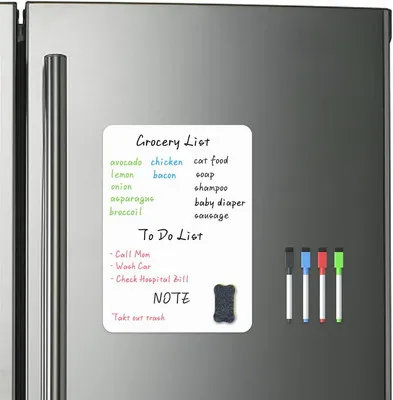
Image Credit: eBay (https://troutunderground.com/Presentation,-A%e2%88%95V-&-Projectors-Magnetic-Letter-Board/11/282/2776/e13’25319g17Magnetic%20Letter%20Board’e16’5/315/)
- Clean the fridge door front and stick on a small magnetic whiteboard.
- Write items the moment they run out, not from memory on shopping day.
- Add a second column for meals planned this week.
- Photograph the board before shopping if lists on paper go missing.
- Wipe and restart the board after every big shop.
A whiteboard grocery list on the fridge door gives a small kitchen a list spot that uses no spare counter, on the one surface everyone faces daily. The fridge door is the one surface everyone faces daily, so the list lives where the food runs out. In busy homes the person who finishes the milk writes it down, and shopping day stops depending on one memory.
Raw Meat Bottom Zone
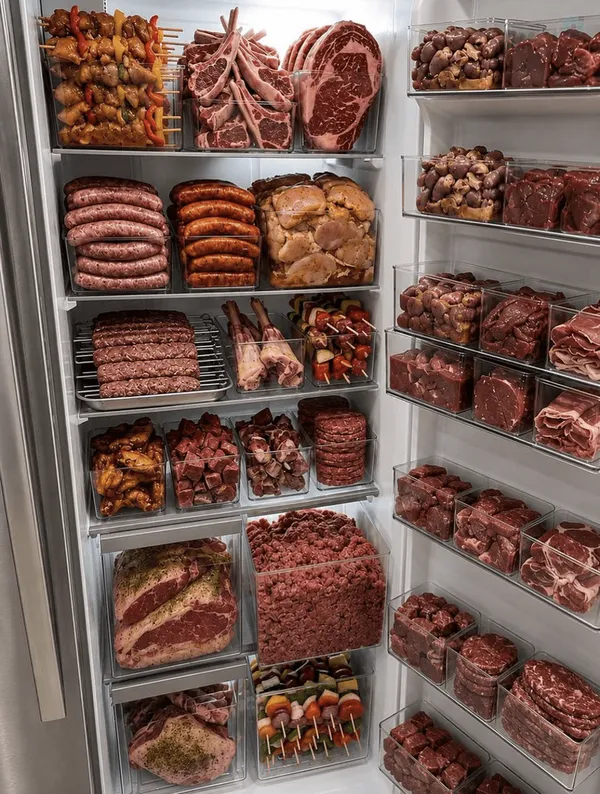
Image Credit: Virasty (https://cdn.virasty.com/guest/181ef4c370b241b3b91f5f019040c476?centerCrop=true&width=600)
Do:
- Keep raw meat on the lowest shelf, in a rimmed tray or shallow bin.
- Store it below every ready to eat food, without exception.
- Wipe the tray the day the meat is cooked, not at the weekly clean.
Don’t:
- Rest meat packs on a shelf above salad or dairy, even for an hour.
- Use a plate with no rim, since juices travel quietly.
- Leave the empty tray in place all week gathering drips.
Drips only travel one way: down. Putting raw meat at the bottom, caught in a tray, protects everything beneath it by having nothing beneath it. The tray also makes the meat shelf the fastest to clean in the whole fridge. Safe placement is the one rule worth being strict about.
Stacked Ice Cube Trays
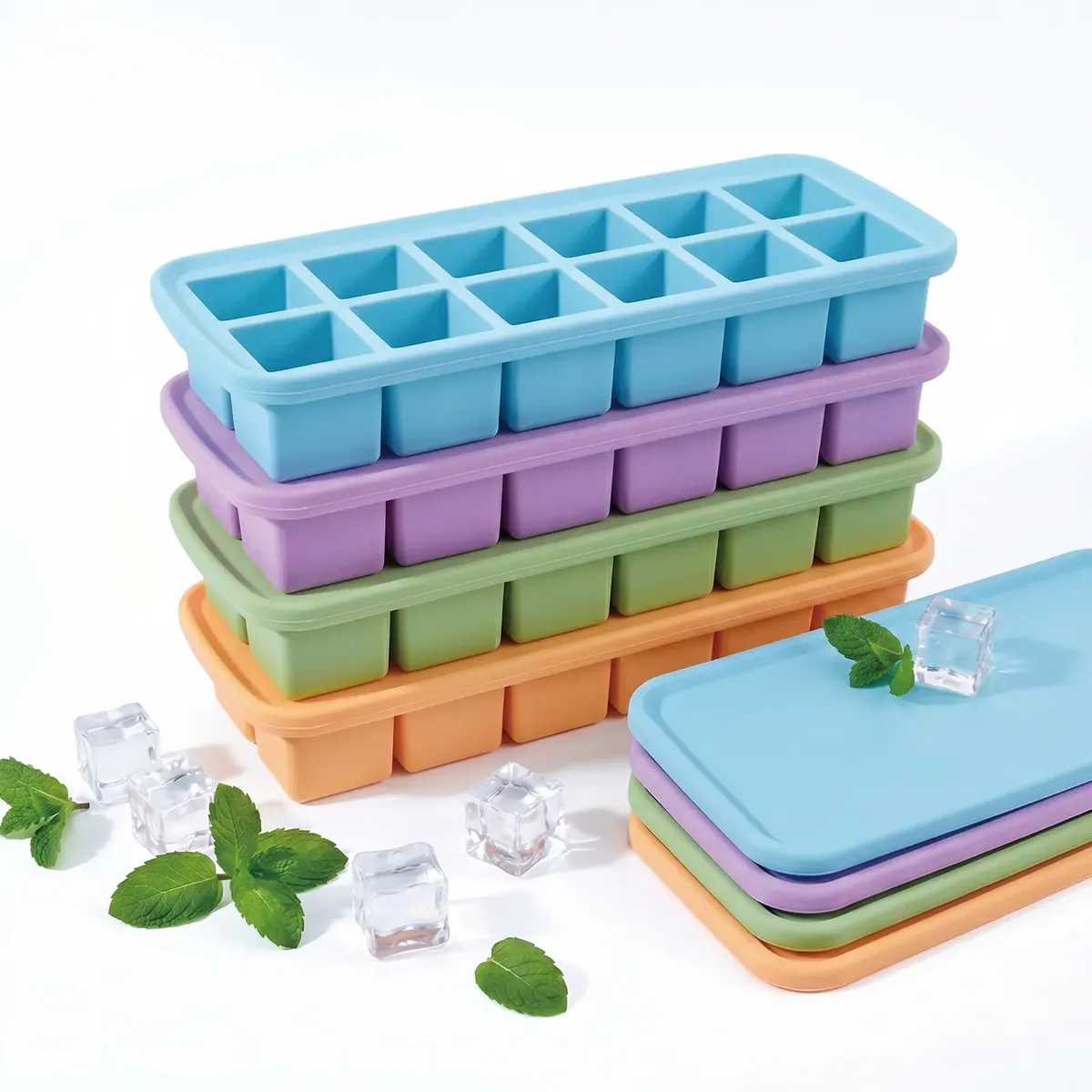
Image Credit: TikTok Shop (https://shop.tiktok.com/us/pdp/silicone-ice-cube-trays-4-pack-bpa-free-leak-proof-stackable/1732380841998848066)
Cost: Low, a set of four lidded trays costs a few dollars
Time: Two minutes to fill and stack
Space Saved: Roughly half the tray footprint in the freezer
Best For: Homes that entertain or freeze stock and herbs in cubes
Lidded ice cube trays stack into a stable tower that takes half the room of naked trays, keeping water in and freezer odors out. The same cubes freeze herbs in oil or leftover stock in tidy portions, ready to drop into a pan without chipping at a block.
Overstock Rotation Back Row
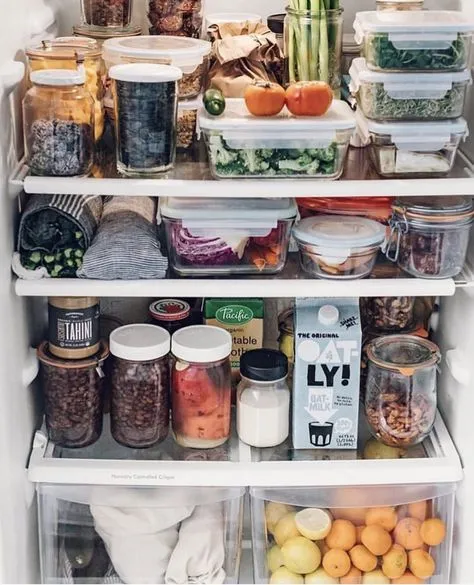
Image Credit: Pinterest (https://www.pinvibe.com/media/821907000781480752)
A back row rotation habit stops shopping day doubles jamming a small fridge: new items join the back of their row and older ones move forward. New items join the back of their row, older ones move forward, and the front of every row is always the next to use.
Nothing needs buying for this one, just ten seconds per item while unpacking. Dates stay in order, and food gets eaten in the sequence it was bought. This single habit cuts fridge waste more than any gadget on this list.
Five Minute Weekly Reset
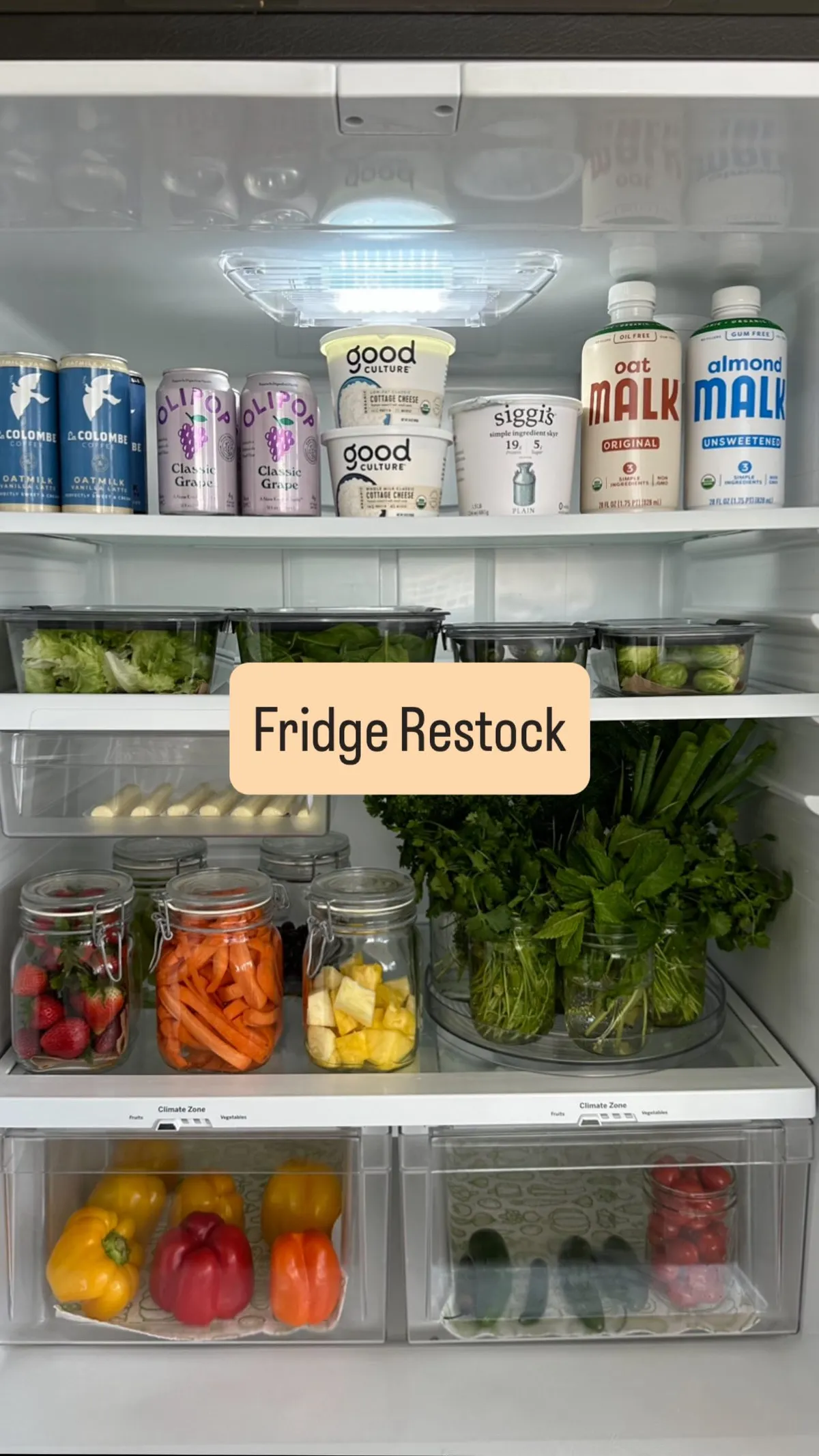
Image Credit: Instagram ()
- Empty one shelf at a time and wipe it with a warm, damp cloth.
- Check dates on dairy, meat and leftovers; bin anything past its day.
- Move older items to the front of each row as you put things back.
- Refill the breakfast zone and the kid snack bin in the same pass.
- Note gaps on the door whiteboard before you close the fridge.
A five minute weekly reset keeps a small fridge from sliding back into chaos, and it costs less than one spoiled shop. The reset keeps every system on this list working, since bins drift, rows shuffle and labels fade. Pick the same slot weekly, the night before shopping works well, and the fridge never needs a full empty and scrub.
Common Questions
How often should I clean out my fridge?
Wipe one shelf and check dates once a week, ideally the night before grocery shopping. A full empty and scrub every three to four months catches sticky corners and stops smells building up.
What temperature should my fridge be set to?
Set the fridge at or below 4 degrees Celsius, about 37 to 40 Fahrenheit, and the freezer at minus 18 Celsius. Check with a cheap thermometer on the middle shelf.
Which containers save the most space?
Square containers with matching lids save the most room, because they stack flat and pack edge to edge with no dead corners. Clear bins come next, turning one shelf into two levels.
How do I stop food getting lost at the back?
Use a turntable on the deepest shelf, stand tall bottles in one back row and put new shopping behind older items. Shallow pull out bins also help, since nothing sits hidden in shadow.
Conclusion
None of these ideas asks for a new appliance or a bigger kitchen. They simply give every shelf, door bin and drawer in the fridge you own a clear job. Start with the spot that annoys you most, add one bin or riser, and let the small wins stack up. That steady approach to refrigerator organization for small spaces keeps food visible, cuts waste and ends the daily shelf shuffle. Save this list to your Pinterest board for your next grocery run, try one idea this weekend, and share it with a friend whose fridge could use the same calm.

2 Comments