
22 Inspiring Home Decor Ideas You’ll Love for Years
Your home should feel good to live in, not just look good in photos. Small details can often create the biggest difference.
Whether you’re refreshing one room or slowly updating your entire home, the right home decor ideas can help you create a space that feels warm, useful, and personal. This collection brings together 22 practical ideas that work across different rooms, styles, and budgets. You’ll find simple ways to add texture, improve lighting, organize everyday items, and create attractive focal points without replacing everything you already own.
In my experience, lasting rooms usually come from thoughtful choices rather than following every new trend. A well-placed mirror, natural texture, useful storage basket, or comfortable chair can continue working beautifully as your style changes. Use these ideas as inspiration, choose what fits your home, and make each update feel genuinely yours.
Layered Neutral Textures
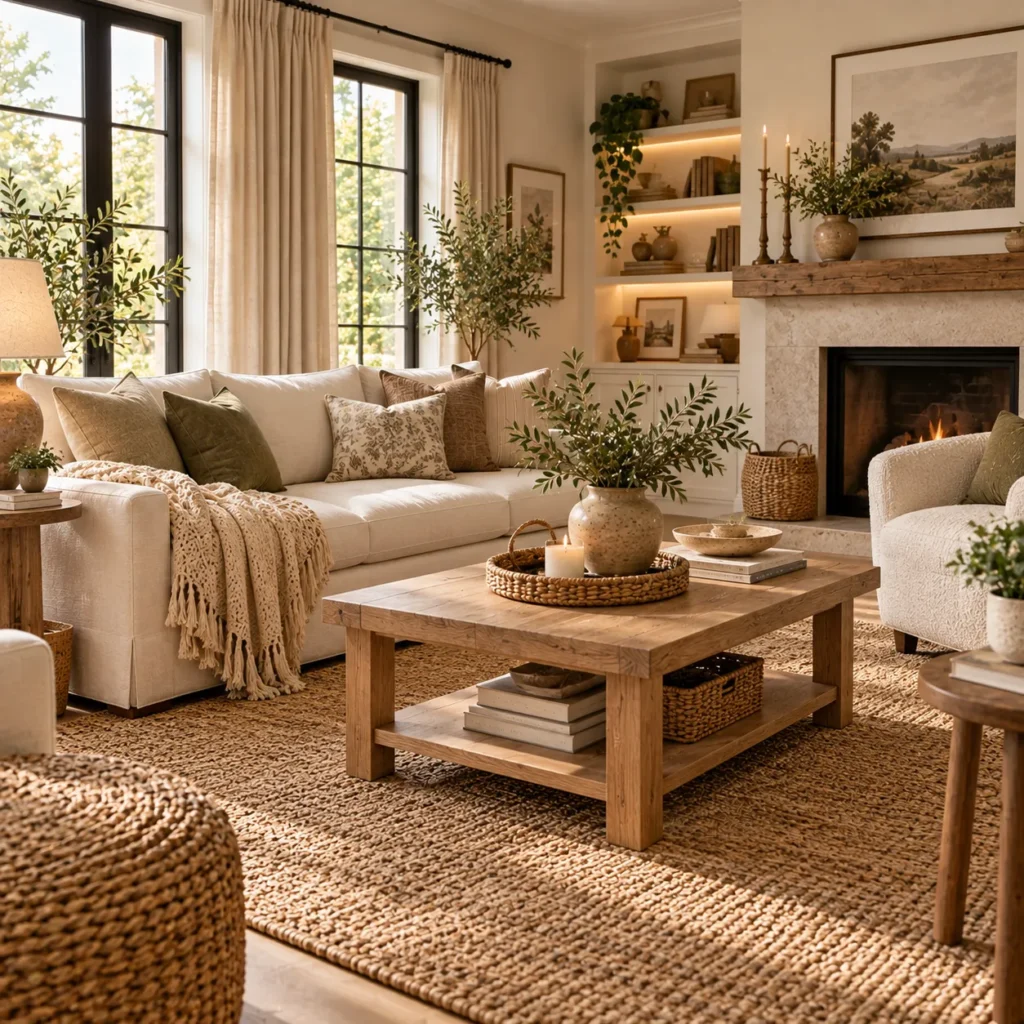
Image Description: Warm neutral living room with cream linen sofa, beige boucle chair, woven jute rug, textured cushions, light oak coffee table, and ceramic accents. Soft natural window light creates gentle shadows. Organic fabrics and subtle earthy tones create a calm, timeless aesthetic. Eye-level interior photography, Pinterest style.
A room feels richer when several textures work together instead of relying on color alone. Pair linen with boucle, woven baskets, jute, wood, and matte ceramics to create depth without making the space feel busy. Keep the palette within three or four related neutral shades so everything feels connected.
In my experience, texture becomes especially useful in rooms where the furniture is simple or the walls are plain. A chunky throw over a smooth sofa, a woven rug beneath a wooden table, or a ribbed ceramic vase can add visual interest without requiring expensive changes. The result feels comfortable, balanced, and easy to live with.
Statement Wall Shelves
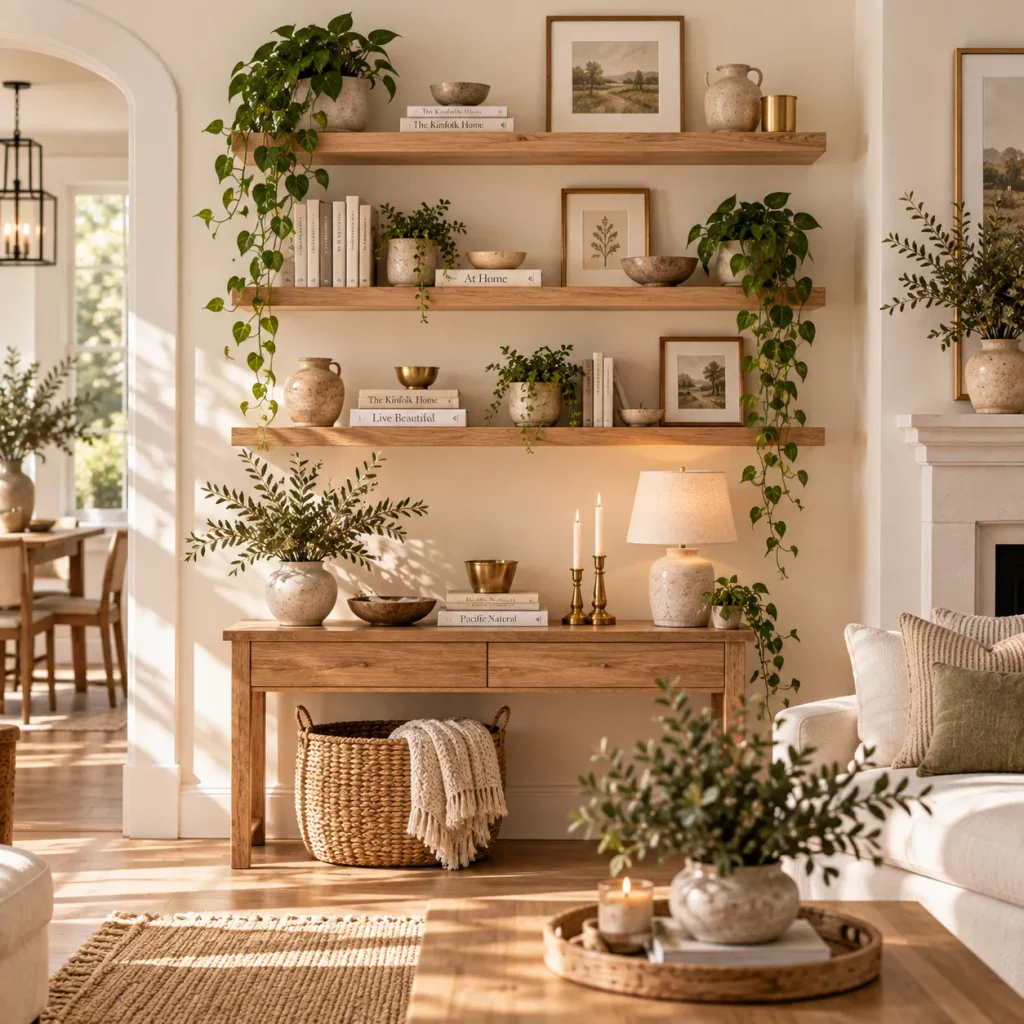
Image Description: Stylish white living room featuring three natural oak floating shelves above a compact console, decorated with stacked books, small pottery, framed artwork, trailing greenery, and warm brass accents. Bright natural daylight, soft cream walls, subtle wood grain, clean styling, modern organic aesthetic, straight-on interior photography.
Empty wall space can become useful display space with a few carefully placed floating shelves. Choose shelves in wood, painted MDF, or another finish that complements existing furniture. Arrange books, framed prints, small plants, and ceramics at different heights to prevent the display from looking too uniform.
- Keep the largest objects toward the lower shelf.
- Leave some open space between decorative pieces.
- Mix vertical items with horizontal books or frames.
- Repeat one material, such as wood or brass, for visual connection.
- Avoid filling every inch of the shelves.
A simple shelf arrangement also gives you an easy way to refresh your room throughout the year. Swap seasonal accents, artwork, or small plants without moving major furniture. For renters, removable mounting options can provide a similar display while keeping permanent changes to a minimum.
Warm Layered Lighting
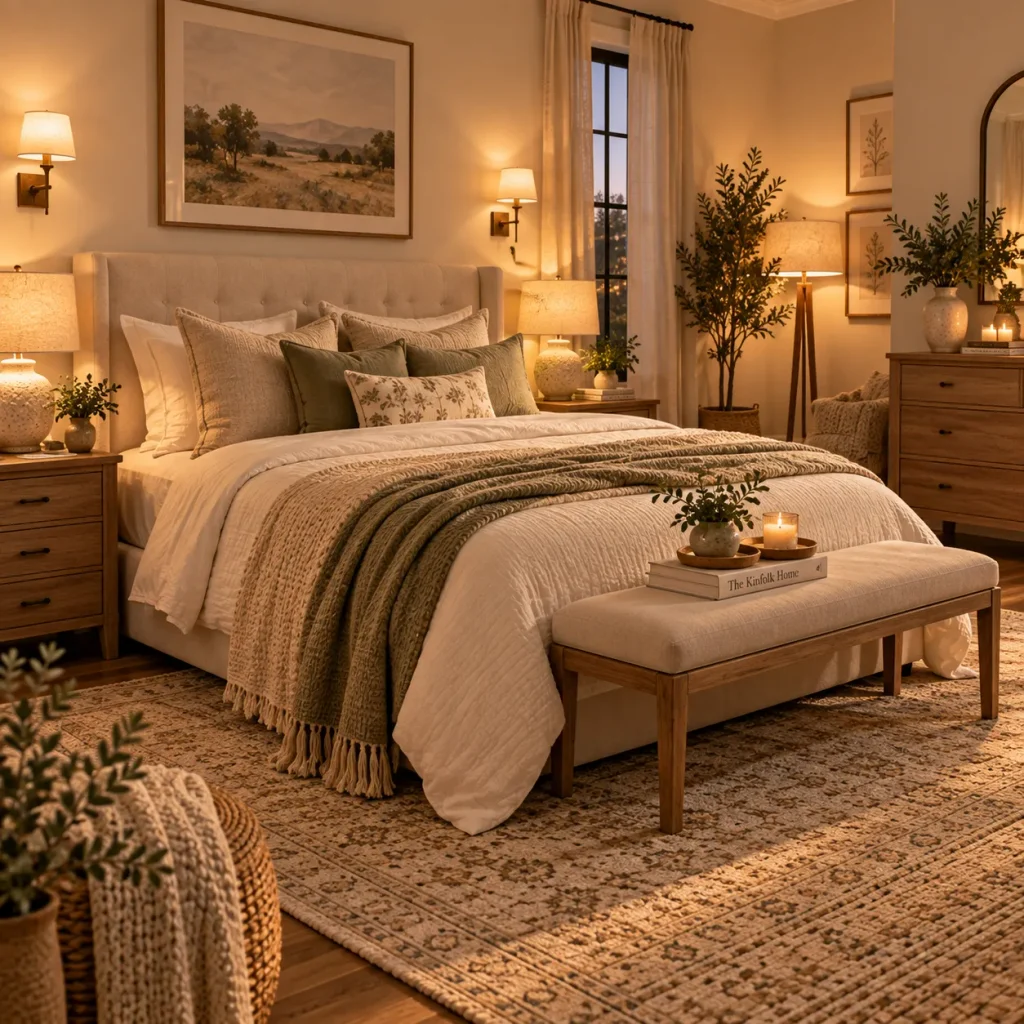
Image Description: Cozy bedroom with a cream upholstered bed, two warm bedside lamps, a soft floor lamp in the corner, subtle wall sconces, neutral bedding, and natural wood furniture. Golden evening lighting creates a soft glow across layered fabrics and walls. Calm, inviting atmosphere, wide-angle interior photography, Pinterest aesthetic.
Good lighting can change how every other detail in a room looks. Combine overhead lighting with table lamps, floor lamps, sconces, or small accent lights so the room has several sources of illumination instead of one harsh fixture.
Quick Tip: Use warmer bulbs in living rooms and bedrooms where you want a relaxed atmosphere. Place lamps at different heights, such as a table lamp beside seating and a floor lamp near a reading corner, to spread light more evenly.
Layered lighting also makes a room more flexible. Bright overhead light works for cleaning or focused tasks, while smaller lamps create a softer setting for reading, relaxing, or hosting guests. I’ve noticed that moving a lamp closer to a seating area can make an underused corner feel intentional without changing the furniture.
Arched Mirror Display
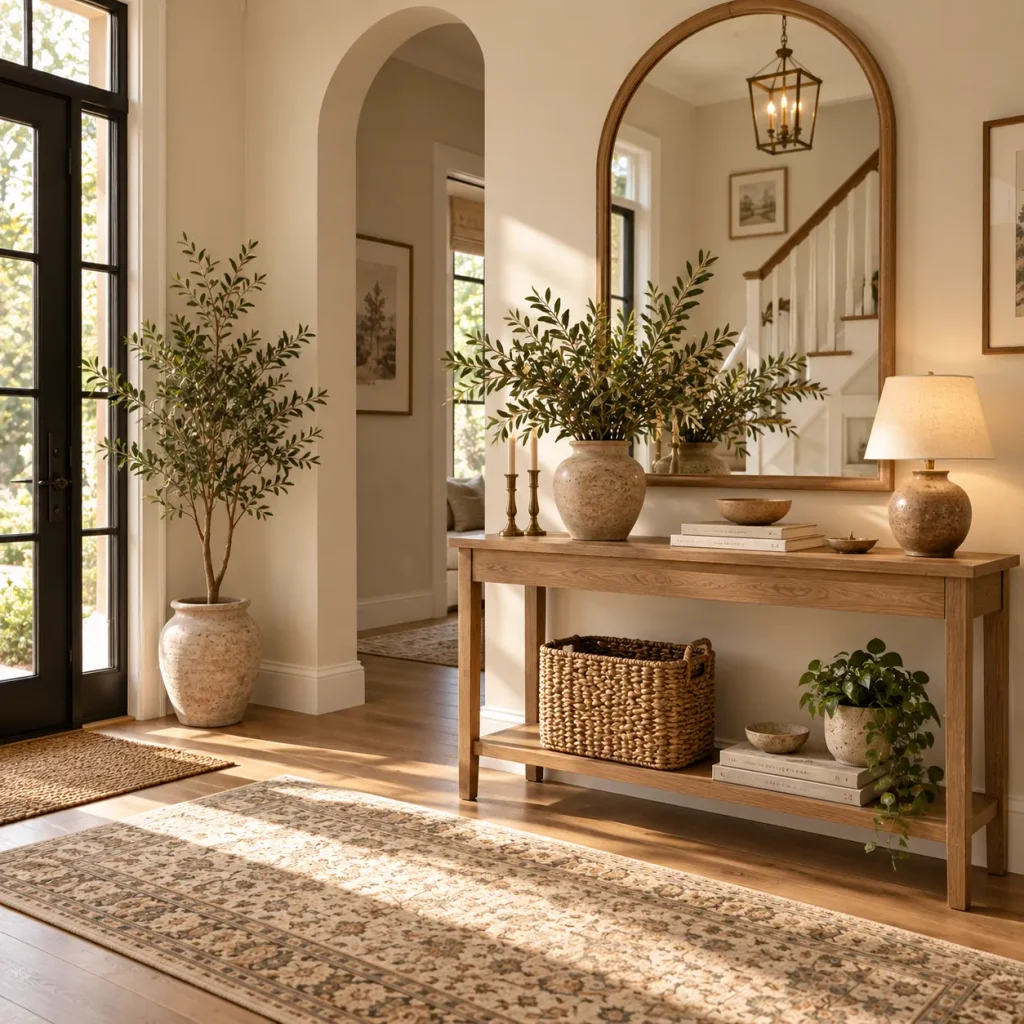
Image Description: Elegant entryway with a tall arched mirror in a natural oak frame above a slim wooden console, styled with a ceramic vase, leafy branches, woven basket, and small table lamp. Soft daylight enters from the side, highlighting warm beige, cream, and honey wood tones. Calm modern organic aesthetic.
Before: A narrow entryway can feel unfinished when the wall above the console is empty. Without a strong vertical element, the area may also appear smaller and darker than it actually is.
After: A tall arched mirror adds height and reflects nearby light, while a slim console keeps the arrangement practical. Add one vase and a small basket rather than crowding the surface.
Choose a frame finish that repeats a material already found nearby, such as natural wood or aged brass. This simple connection helps the mirror feel intentional rather than randomly placed. For a small hallway, keep the surrounding accessories low and simple so the reflection remains the main visual feature.
Built-In Reading Nook
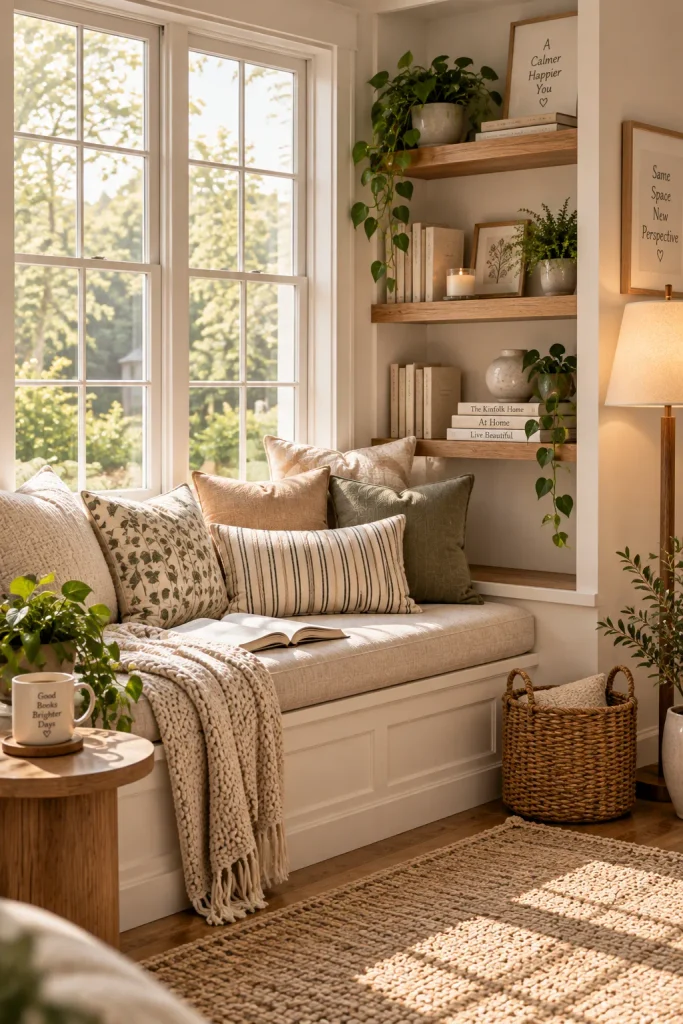
Image Description: Cozy reading nook beneath a bright window with a built-in bench, cream seat cushion, layered neutral pillows, open wooden shelves, small books, potted plant, and warm floor lamp. Natural morning light, soft beige walls, oak textures, relaxed Scandinavian style, eye-level interior photography with a Pinterest-ready composition.
- Choose the spot: Find an unused corner, wide window area, or shallow alcove with enough room for comfortable seating.
- Add the base: Use a built-in bench or sturdy storage unit topped with a fitted cushion.
- Layer comfort: Add two or three pillows and a lightweight throw for softness.
- Use the wall: Install narrow shelves for books, small artwork, and simple decorative pieces.
- Finish with lighting: Place a floor or wall lamp nearby for evening reading.
A reading corner does not need a large footprint to become useful. In my experience, the most inviting setups combine comfortable seating with practical storage and dedicated lighting. Keep the colors consistent with the surrounding room, then add one contrasting texture, such as woven fabric or natural wood, for extra character.
Natural Wood Accents

| Feature | Option A: Heavy Wood | Option B: Light Wood |
| Visual effect | Rich and grounded | Airy and open |
| Best pairing | Deep neutrals | Cream and soft colors |
| Maintenance feel | More visible marks | Often feels visually lighter |
| Room use | Larger spaces | Small or bright spaces |
Natural wood can bring warmth to rooms filled with painted surfaces, metal, or glass. Light oak works especially well in smaller areas because its pale grain keeps the setting visually open. A wooden stool, side table, frame, or serving board can introduce the material without requiring a major furniture purchase.
Gallery Wall Arrangement

DO:
- Choose artwork with two or three repeating colors.
- Lay the frames on the floor before mounting them.
- Keep the spacing consistent between each frame.
- Center the overall arrangement around eye level.
DON’T:
- Mix too many unrelated frame finishes.
- Leave large random gaps between pieces.
- Hang every frame at a different height.
- Fill the wall before checking the overall balance.
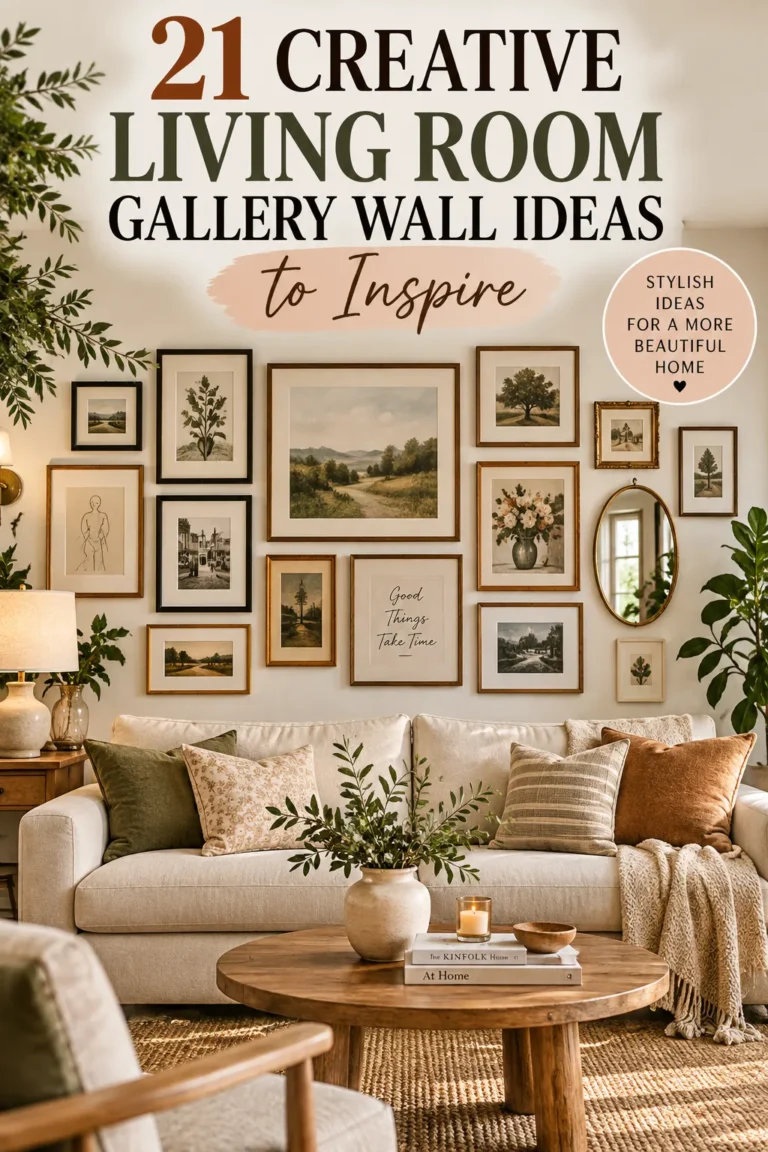
A gallery wall works best when there is a visual connection between the pieces. Family photos, botanical prints, sketches, and small artwork can share the same arrangement when their colors or frame styles relate. Start with the largest piece, then build outward while keeping the composition balanced from side to side.
Woven Storage Baskets
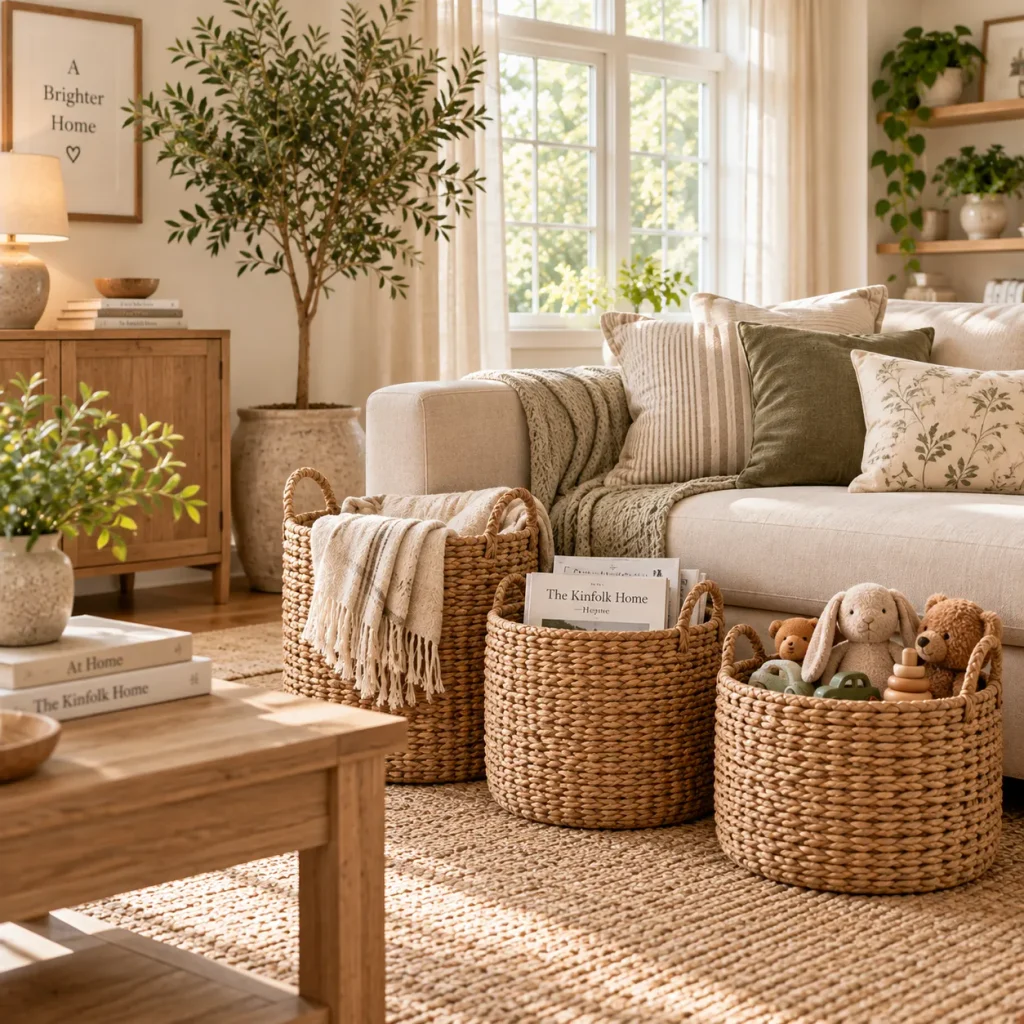
Cost: Low to moderate | Time: 30 minutes | Skill Level: Beginner
Best For: Living rooms, bedrooms, entryways, and open shelving | Works In: Modern, farmhouse, coastal, and organic interiors
Result: Faster daily cleanup with a warmer visual finish
Storage becomes much easier to maintain when everyday items have an obvious home. Place a large basket beside seating for blankets, a smaller one near an entryway for loose accessories, or matching baskets inside open shelving. Choose natural fibers when you want extra texture without adding another strong color.
I’ve noticed that open baskets work particularly well for busy households because items can be put away quickly. Instead of organizing every object perfectly, group similar things together and keep the containers easy to reach. A consistent basket style can also make practical storage look like part of the room’s design.
Soft Linen Curtains
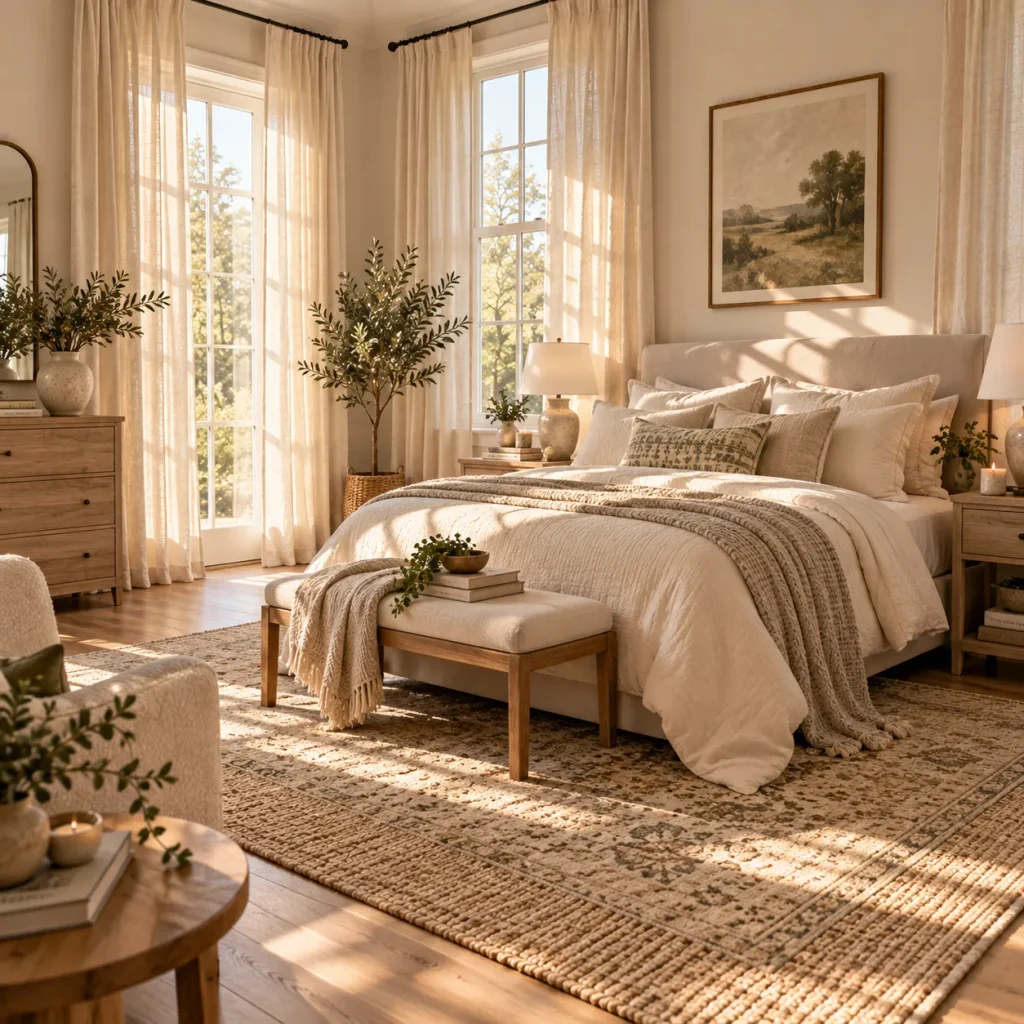
A softer window treatment can make a room feel more finished without changing the furniture. Hang linen or linen-look curtains close to the ceiling and allow them to reach the floor. This placement draws the eye upward and creates a longer, cleaner visual line.
For the most natural appearance, choose ivory, oatmeal, warm white, or another shade that relates closely to your existing walls. Avoid curtains that stop several inches above the floor because the shorter length can make the window area feel disconnected. Sheer linen works especially well when you want daylight while maintaining a light, relaxed atmosphere.
Layered Area Rugs
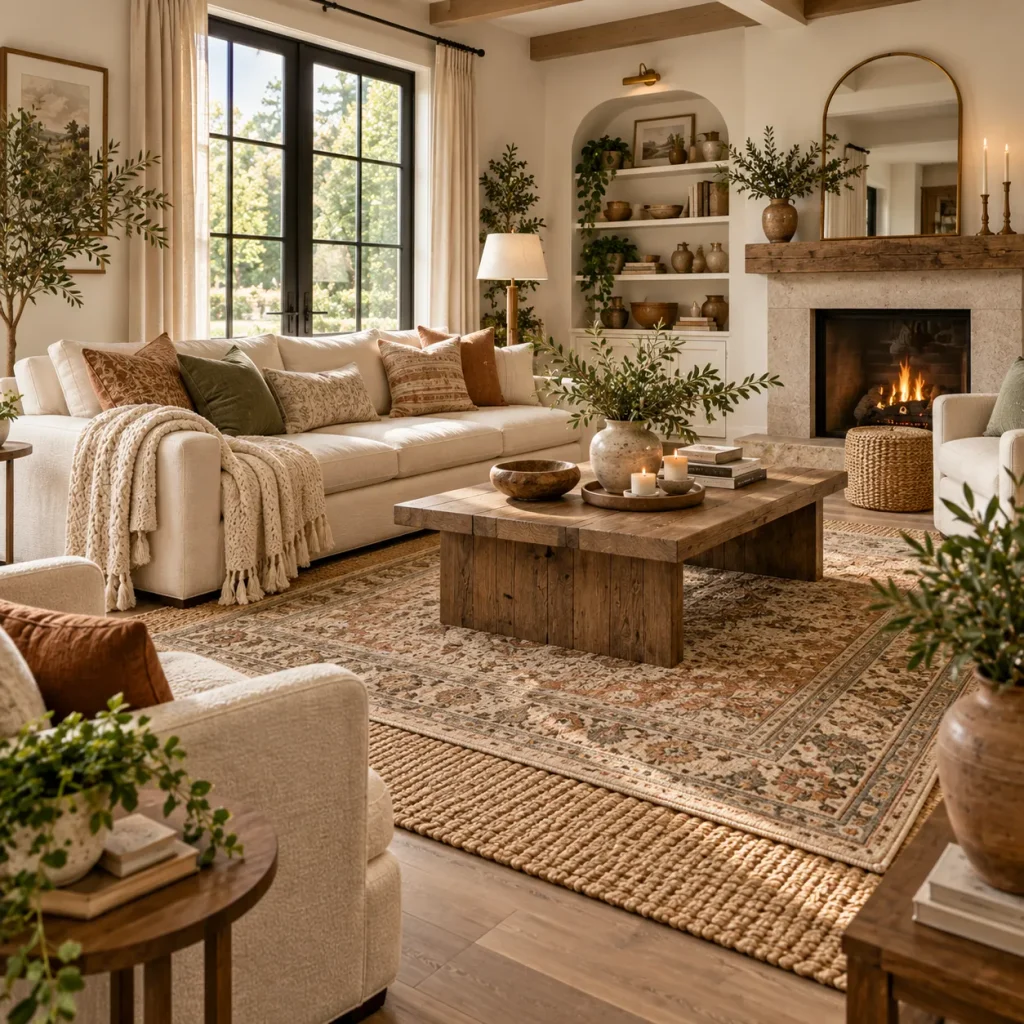
Cost: Moderate | Time: 1 to 2 hours | Skill Level: Beginner
Best For: Living rooms and bedrooms | Works In: Large or open-plan spaces
Result: More defined zones and added floor texture
Layering rugs can help separate areas without building walls or rearranging major furniture. Start with a larger neutral rug that anchors the furniture, then place a smaller patterned or textured rug on top. Keep the patterns related through color so the combination feels intentional rather than crowded.
Choose rugs with noticeably different textures or sizes for better contrast. A flatwoven base paired with a softer wool or cotton rug gives the floor more dimension. Make sure the bottom rug extends beyond the main furniture group, while the smaller piece highlights the seating or activity area you want to define.
Styled Coffee Table
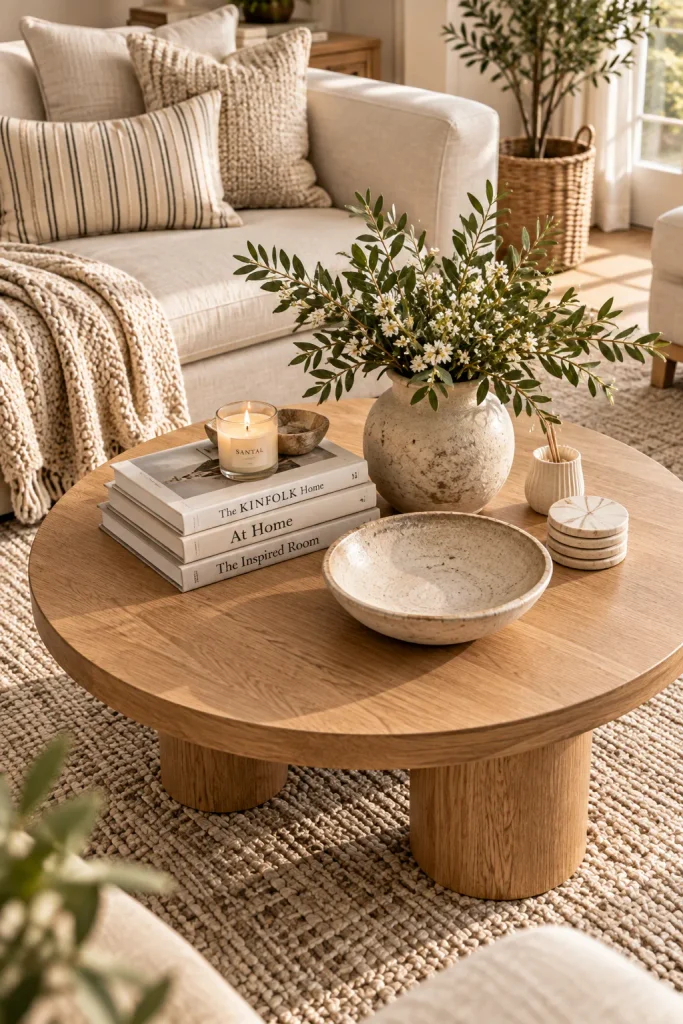
- Start with a tray: Use a round or rectangular tray to visually group smaller objects.
- Add height: Place two stacked books or a low decorative stand in one area.
- Include texture: Add a ceramic bowl, woven piece, or natural wood object.
- Bring in greenery: Use a small plant or fresh branches for a natural accent.
- Leave breathing room: Keep part of the tabletop open for drinks and everyday use.
A useful coffee table should look styled without becoming difficult to use. Keep decorative objects grouped rather than scattered across the entire surface. I’ve seen simple arrangements work especially well when they combine one tall object, one low piece, and something organic. That balance gives the table structure while keeping it practical.
Painted Interior Doors
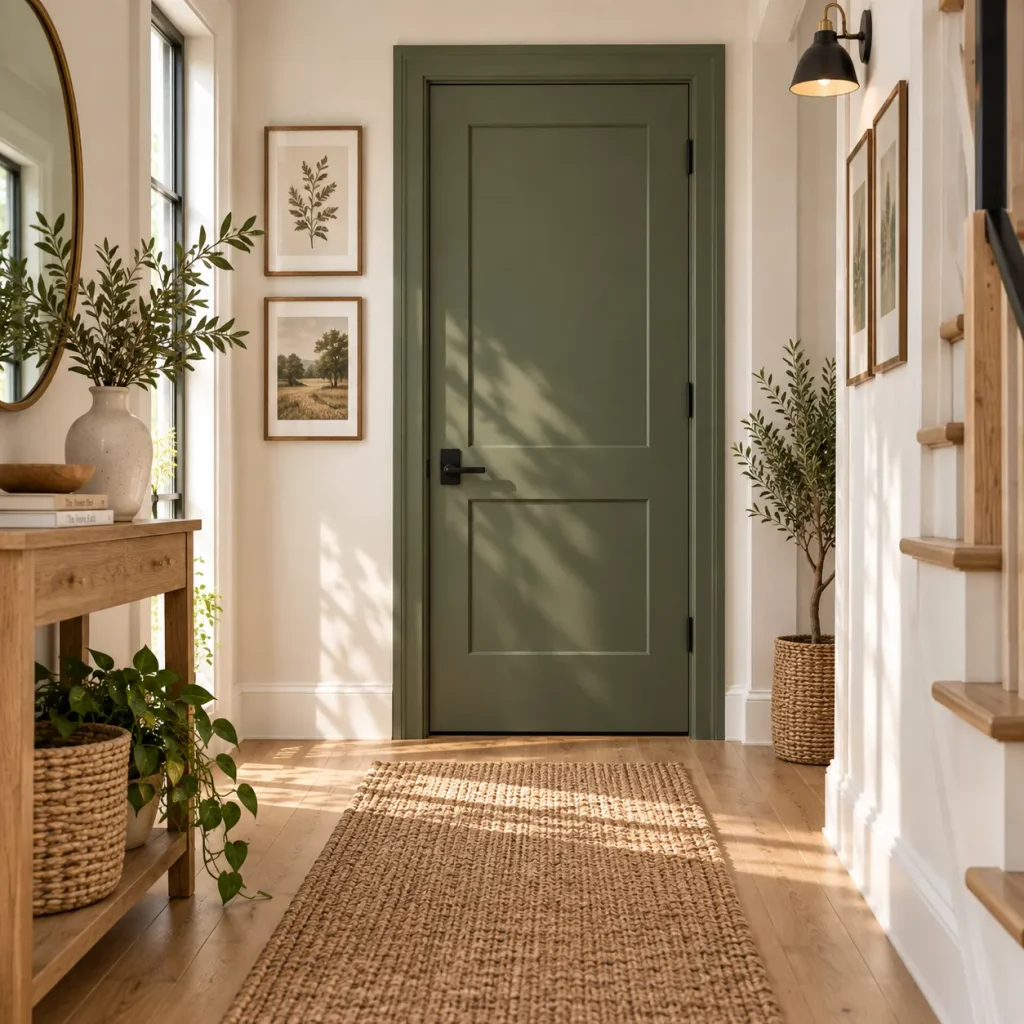
| Feature | Option A: White Door | Option B: Painted Door |
| Visual impact | Subtle and quiet | Creates a focal point |
| Maintenance | Marks can show clearly | Depends on paint finish |
| Style | Classic and versatile | More personalized |
| Best use | Bright minimal rooms | Neutral rooms needing contrast |
A painted interior door can introduce color without committing an entire wall to a bold shade. Soft sage, muted blue, warm charcoal, or earthy clay can work beautifully against lighter walls. Match the door hardware with nearby finishes, such as black, brass, or aged bronze, to create a cohesive detail.
Open Shelving Styling
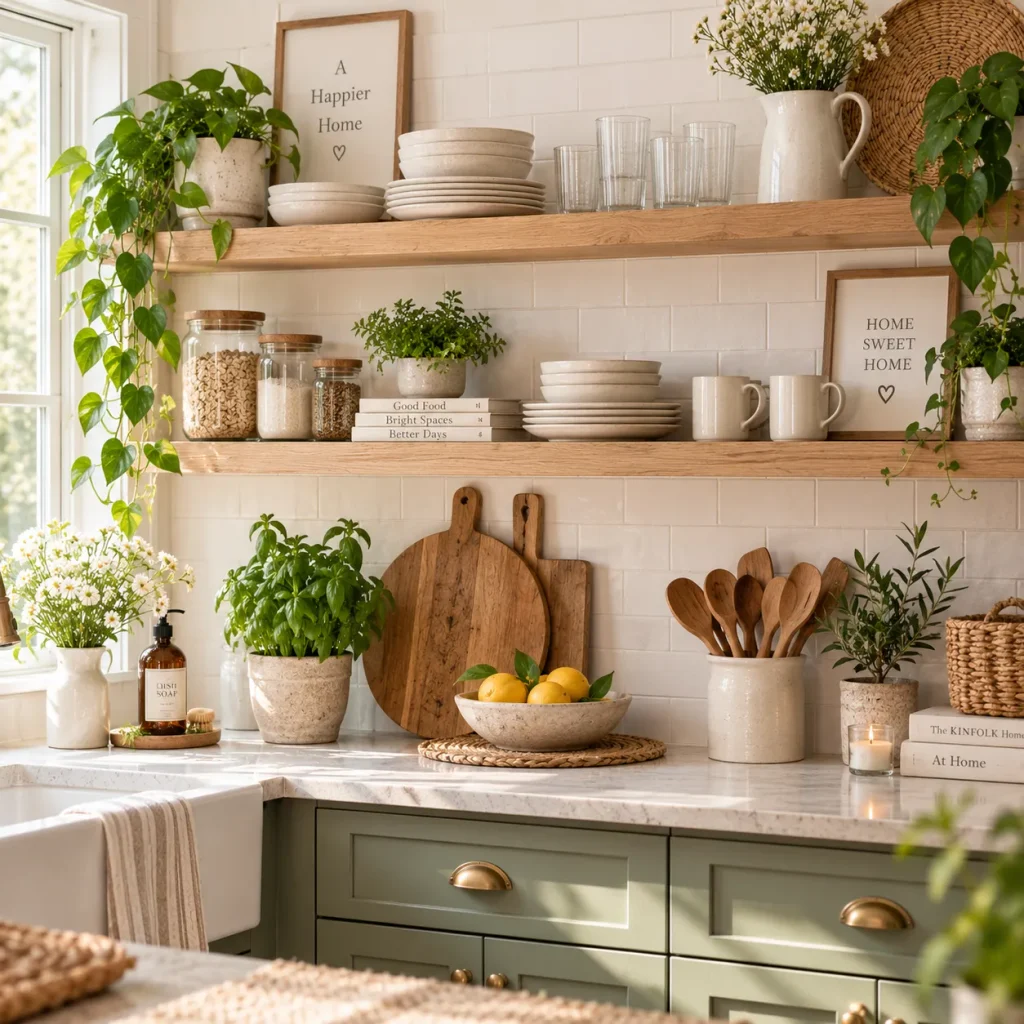
DO:
- Group similar dishes together for a tidy appearance.
- Mix practical kitchenware with a few decorative pieces.
- Leave small gaps between groups of objects.
- Repeat wood, ceramic, or greenery across both shelves.
DON’T:
- Pack every shelf from edge to edge.
- Display too many colors at once.
- Place fragile pieces in high-traffic areas.
- Store items you rarely use in inconvenient positions.
Open shelves look most useful when everyday items remain easy to reach. Keep frequently used plates and glasses toward the middle shelves, then place decorative ceramics or cutting boards around them. I’ve noticed that repeating two or three materials creates enough visual connection without making the arrangement feel overly coordinated.
Accent Ceiling Color
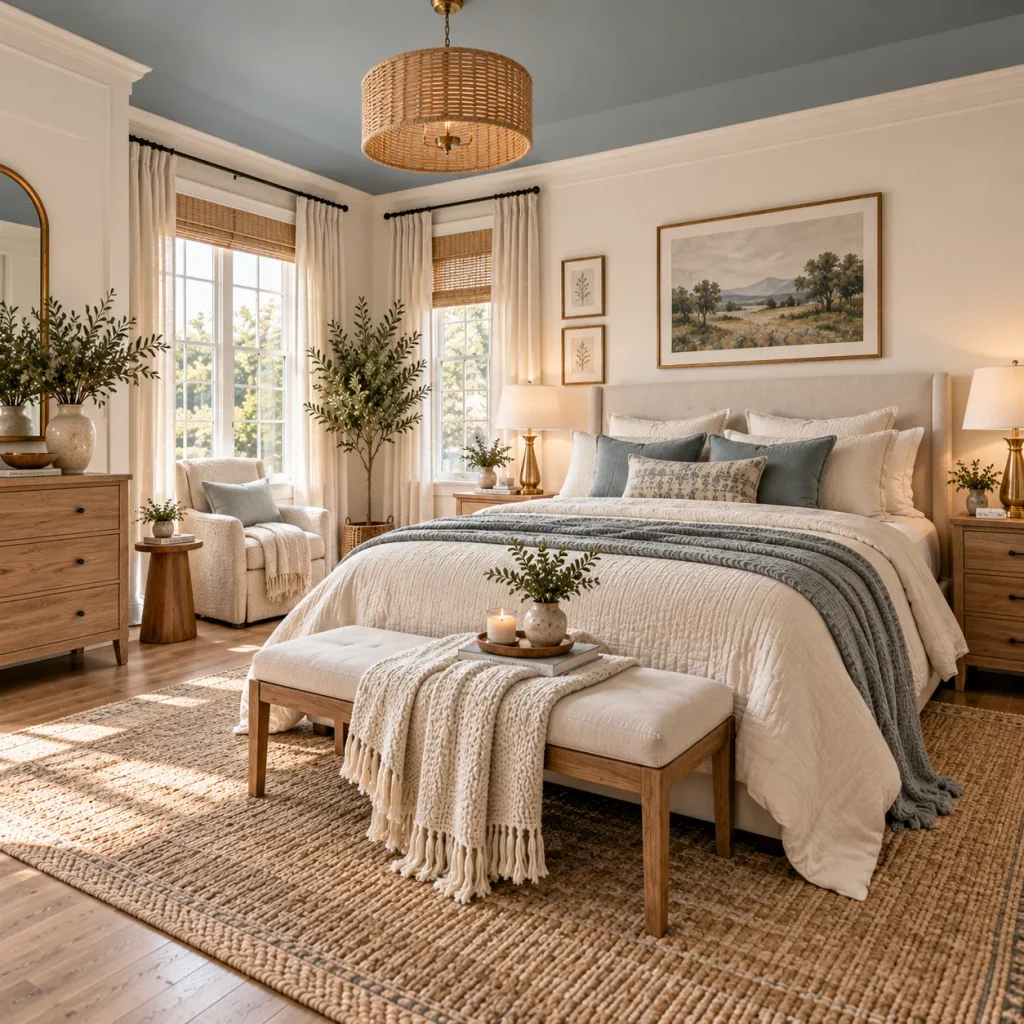
Cost: Low to moderate | Time: One weekend | Skill Level: Beginner to intermediate
Best For: Bedrooms, dining rooms, and cozy sitting areas | Works In: Rooms with moderate ceiling height
Result: A subtle architectural focal point
The ceiling is an often-overlooked surface that can introduce color without overwhelming the walls. Soft blue, muted green, warm beige, or a slightly deeper version of the wall color can create a thoughtful visual connection throughout the room.
Before painting, test a sample at different times of day because natural and artificial light can change how the shade appears. Keep the walls and larger furnishings relatively calm if the ceiling has stronger color. For a softer effect, choose a low-contrast shade that feels like an extension of the existing palette.
Oversized Floor Mirror
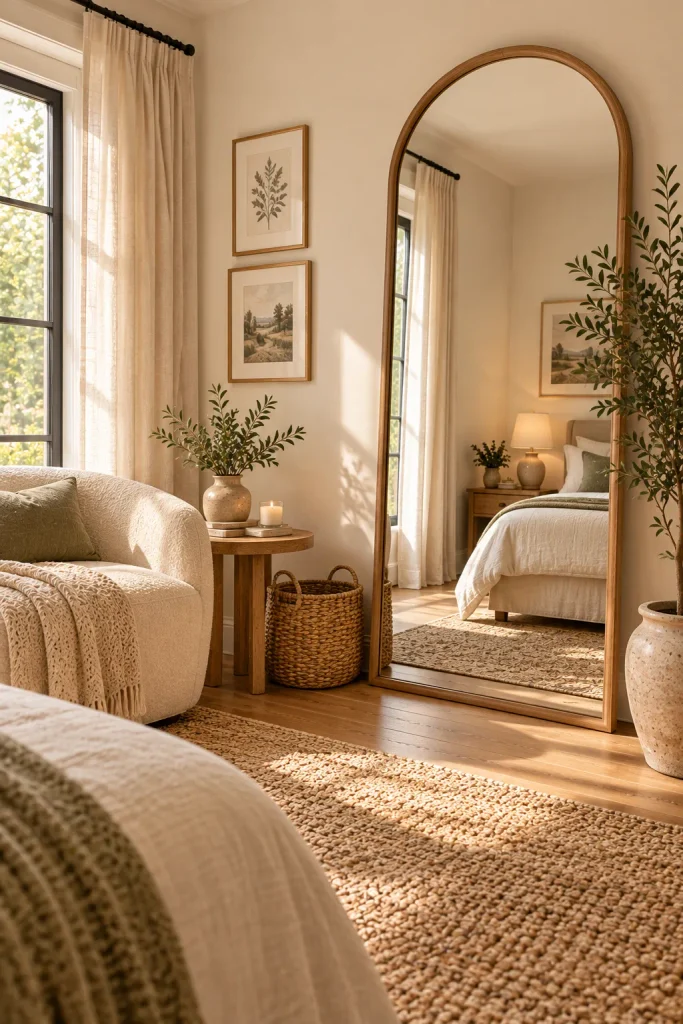
Before: A large blank wall beside a dresser or seating area can make the room feel visually unfinished. Smaller decorative pieces may leave too much unused vertical space.
After: A full-length mirror fills the wall while reflecting daylight and nearby textures. Lean it securely against the wall or mount it properly, depending on its design and household needs.
Choose a mirror large enough to relate to the furniture nearby rather than using a tiny piece on a wide wall. Position it where it can reflect a window, attractive artwork, or another pleasant feature. This keeps the reflection visually useful and makes the room feel brighter without adding another major color.
Decorative Fireplace Mantel
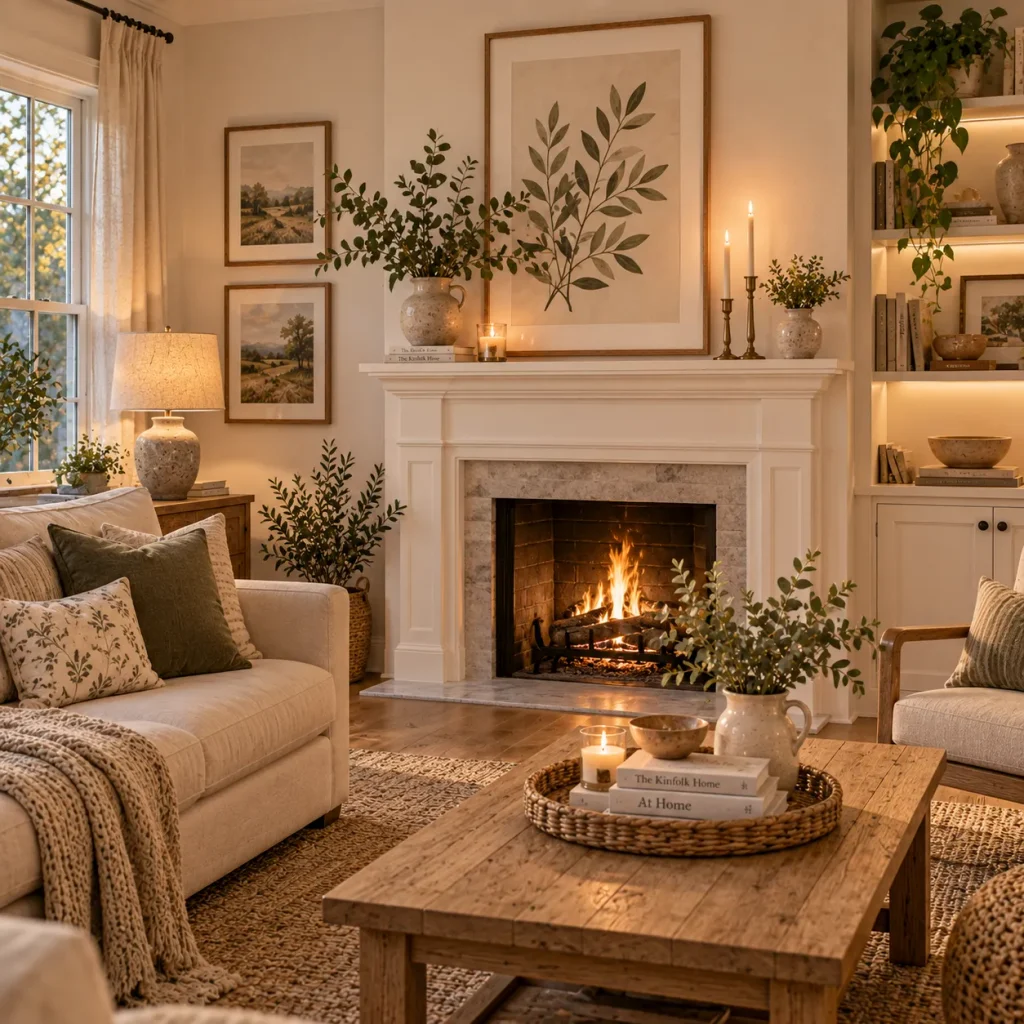
- Choose an anchor: Place one larger artwork, mirror, or framed print in the center of the mantel.
- Build around it: Add two or three smaller objects at different heights on either side.
- Repeat materials: Connect the display with ceramic, wood, brass, or woven accents already used nearby.
- Keep space visible: Leave sections of the mantel open so the arrangement does not feel crowded.
A mantel becomes more polished when the arrangement has a clear visual center. Keep taller pieces toward the back and shorter objects in front or beside them. Seasonal branches, candles, and small ceramics can be changed throughout the year, allowing the same foundation to work beyond holiday decorating.
Small Plant Groupings
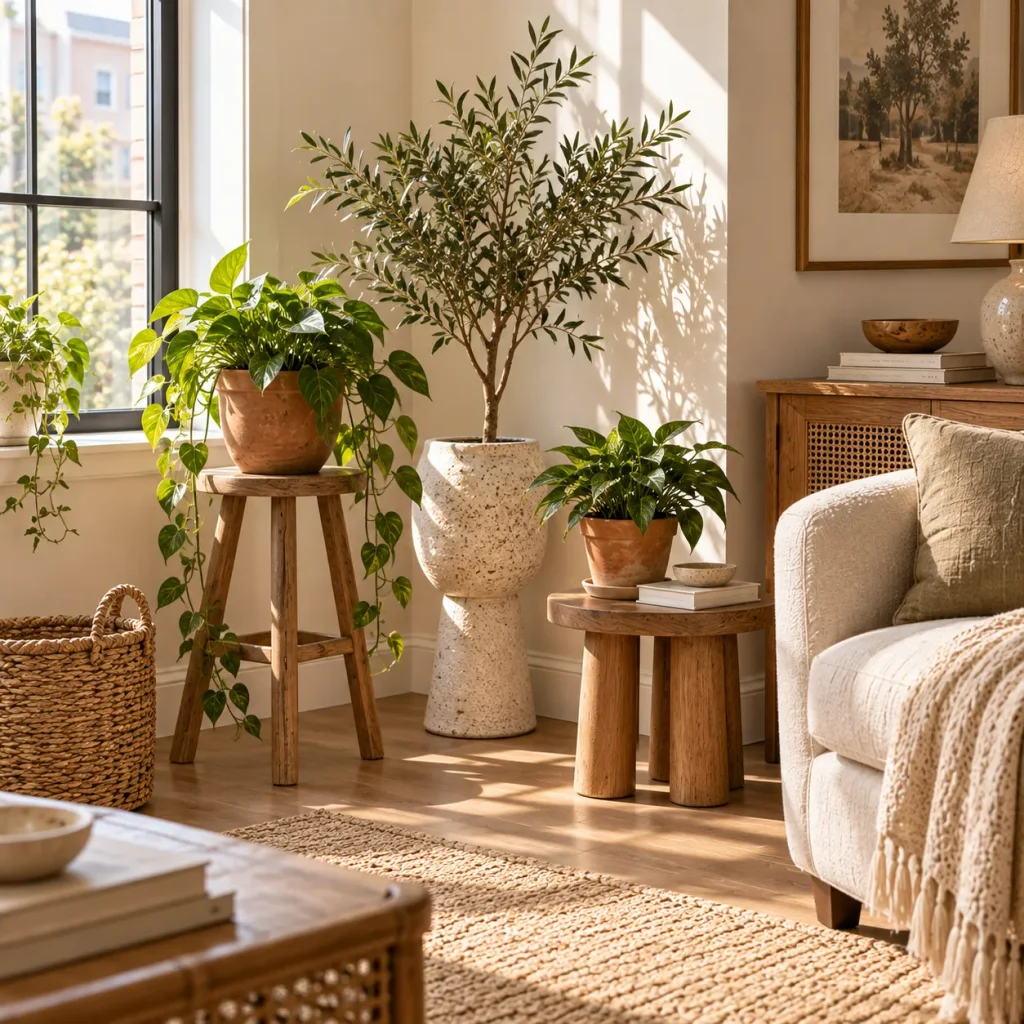
| Placement | Option A: Single Plant | Option B: Plant Group |
| Visual effect | Simple and minimal | Layered and lively |
| Space needed | Very little | Moderate |
| Styling | One strong focal point | Varied heights and textures |
| Best use | Shelves or side tables | Empty corners or consoles |
Grouping a few plants can add life to an otherwise quiet corner while keeping the arrangement visually simple. Use different heights, leaf shapes, and pot textures to create variety. A tall plant paired with two smaller pots often gives better dimension than placing several identical plants at the same level.
Keep plant groupings where their light requirements can be met. A sunny window may suit plants with higher light needs, while lower-light varieties can work farther inside the room. I’ve noticed that grouping greenery near natural materials such as wood and woven baskets creates a particularly cohesive, relaxed look.
Textured Accent Chairs
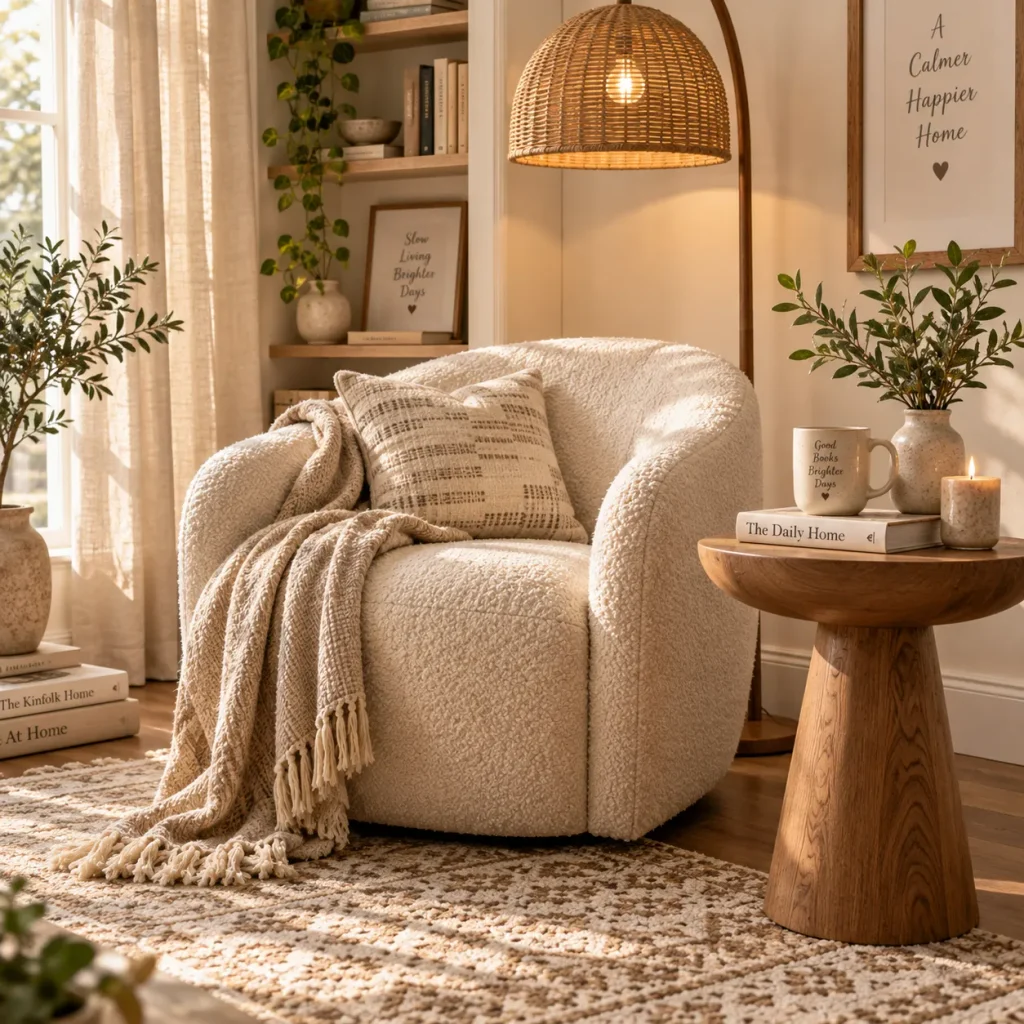
DO:
- Choose a chair with a texture that contrasts with nearby furniture.
- Check the seat depth before buying for comfortable everyday use.
- Leave enough clearance around the chair for easy movement.
- Pair it with a small table or floor lamp when possible.
DON’T:
- Choose a chair that blocks a doorway or walkway.
- Mix several competing bold patterns in one corner.
- Ignore the existing room proportions.
- Place delicate upholstery where frequent spills are likely.
An accent chair can give an empty corner a clear purpose while adding another layer of texture. Boucle, linen, cotton, velvet, and woven upholstery each create a different visual effect. For busy rooms, a neutral chair can provide balance; in a quiet room, a subtle pattern can introduce more character without dominating the space.
Decorative Tray Vignettes
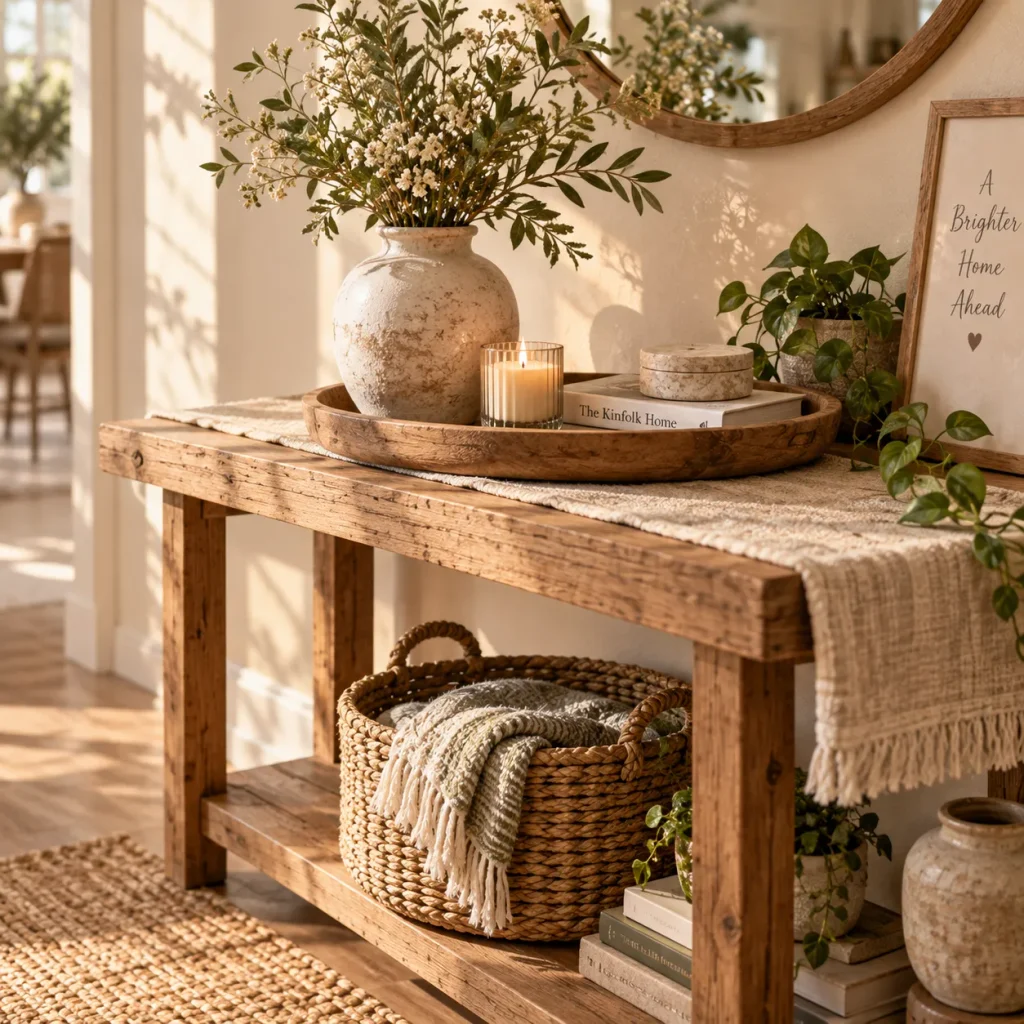
Cost: Low | Time: 20 to 30 minutes | Skill Level: Beginner
Best For: Consoles, dressers, kitchen counters, and side tables | Works In: Small and large rooms
Result: Neater surfaces with a defined focal point
A tray gives scattered accessories a clear visual boundary. Start with one medium-sized tray, then add three or four objects with different heights and textures. Keep at least one item practical, such as a small container or catchall, so the arrangement earns its space.
Choose a tray that relates to your existing finishes. Wood adds warmth, ceramic feels softer, and metal introduces a little shine. For narrow furniture, use a long rectangular tray rather than a wide round one. The goal is to organize the surface while leaving enough room for everyday items.
Built-In Window Bench
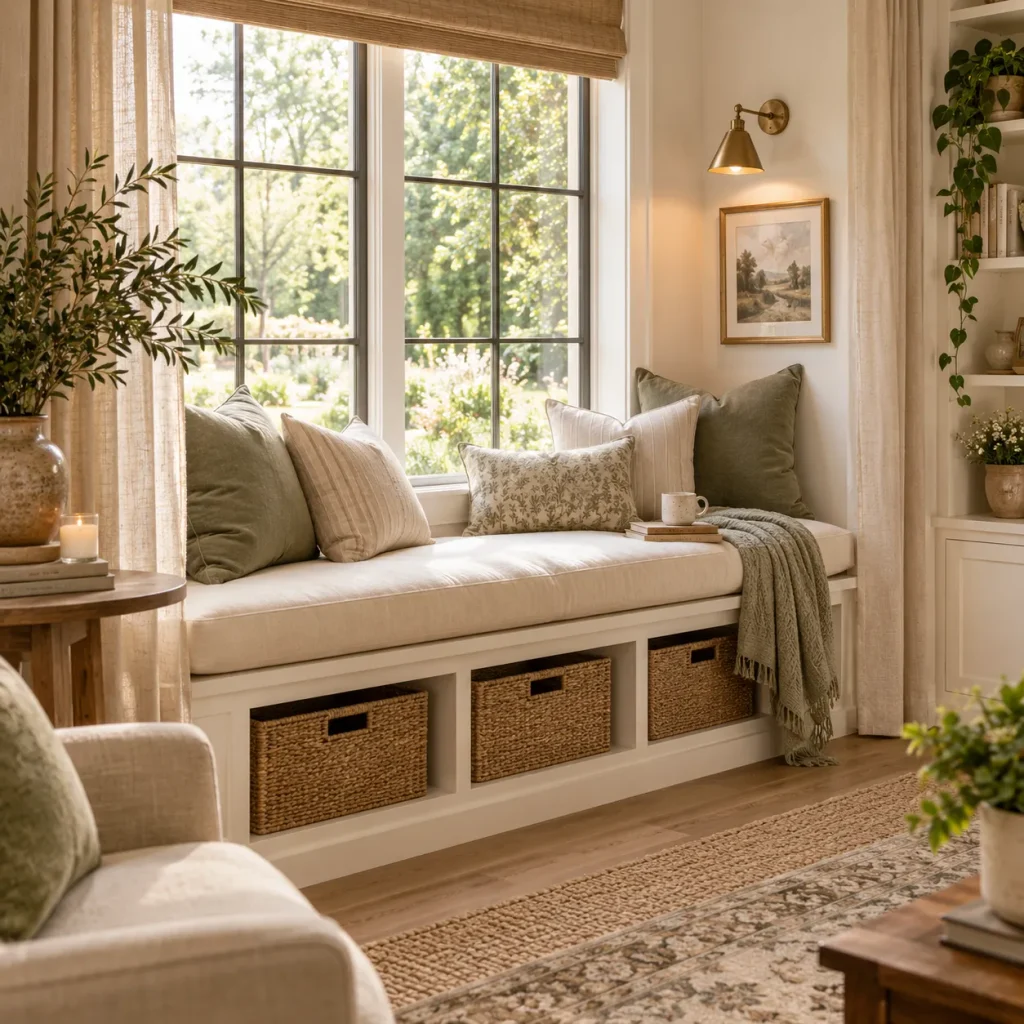
A forgotten window area can become one of the most useful spots in the room with a fitted bench. Measure the available width and depth first, then choose a cushion made for the space. Add storage underneath for blankets, books, or seasonal accessories.
- Measure carefully: Check the window width, available depth, and nearby walking space.
- Build the base: Use a sturdy cabinet system or custom bench structure.
- Add comfort: Choose a firm fitted cushion with washable or durable fabric.
- Create storage: Use baskets, drawers, or lift-up compartments below the seat.
- Finish the nook: Add pillows and a nearby lamp for reading or relaxing.
A window bench can serve several purposes without taking over the room. It provides extra seating for guests, a quiet reading spot, and hidden storage in one compact area. Keep the cushion color close to the surrounding palette, then introduce personality through removable pillows or a textured throw.
Mixed Metal Details
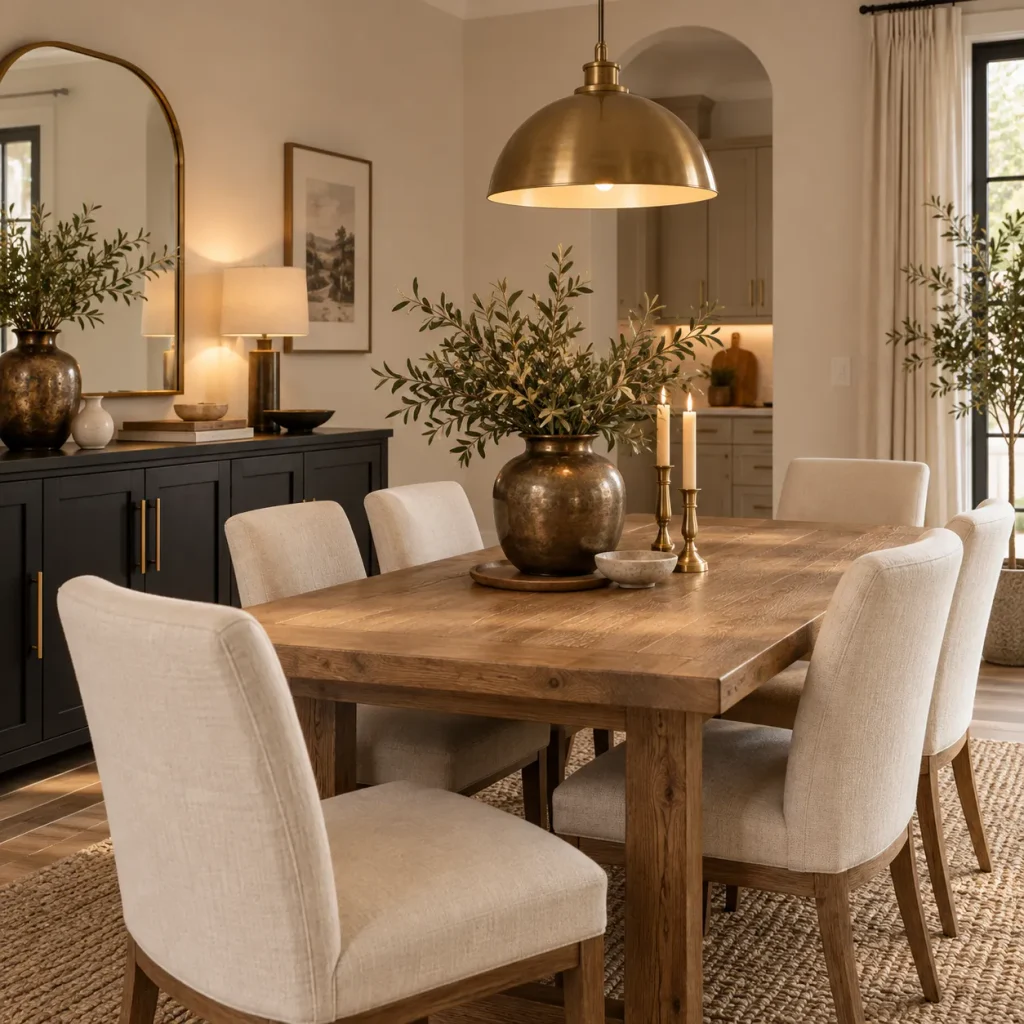
| Feature | Option A: Single Metal | Option B: Mixed Metals |
| Overall feel | Coordinated and simple | Layered and collected |
| Styling | Easier to match | Requires repetition |
| Visual contrast | Low | Moderate to high |
| Best approach | Repeat one finish | Repeat each finish at least twice |
Metal finishes do not need to match perfectly throughout a room. Brass lighting can sit comfortably near black hardware or bronze accessories when each finish appears more than once. Repeat the metals across furniture, lighting, frames, or small decorative objects so the combination feels deliberate.
Keep one finish dominant and use the others as supporting details. For example, brass can lead through lighting while black appears on cabinet handles and picture frames. This approach prevents the room from looking like every piece was purchased from the same collection while still maintaining visual order.
CONCLUSION
Creating a home you enjoy does not require a complete makeover. A few thoughtful changes can add warmth, function, texture, and personality while keeping your existing space recognizable and comfortable. These home decor ideas give you practical starting points, whether you’re working with a small apartment, family room, bedroom, or larger home.
I’ve seen how small changes like better lighting, natural textures, and intentional styling can completely shift the way a space feels. Save this article on Pinterest so you can revisit your favorite ideas later. Try one today, then share it with someone who could use fresh inspiration for their home.


7 Comments